
 We might not connect our eating habits to eye disease, but poor nutrition impairs circulation. Reduced circulation can contribute to eye diseases, including cataracts, glaucoma, retinal vascular occlusions, ischemic optic neuropathy (ION), dry eyes, macular degeneration, and diabetic retinopathy. Instead of being a “victim” of eye diseases in your senior years, you can take charge of your health today!
At Natural Eye Care, we believe that the visual system uses approximately 25% of the nutrients we take into the body. Only the brain needs more. Therefore, a nutrient-rich diet helps keep your eyes healthy. Anything that impairs the free flow of blood, oxygen, and nutrients can significantly increase the risk of eye disease. Over time, you could experience vision loss, making you less independent in your senior years.
 This month, we’re focusing on understanding macular degeneration and the importance of early detection. We will explore natural approaches to manage this eye disease and support healthy vision.
 Neuroinflammation is inflammation of the brain or spinal cord. It’s a defensive response to injury, infection, or illness. Neuroinflammation is beneficial after, for example, a spinal cord injury.[1.
 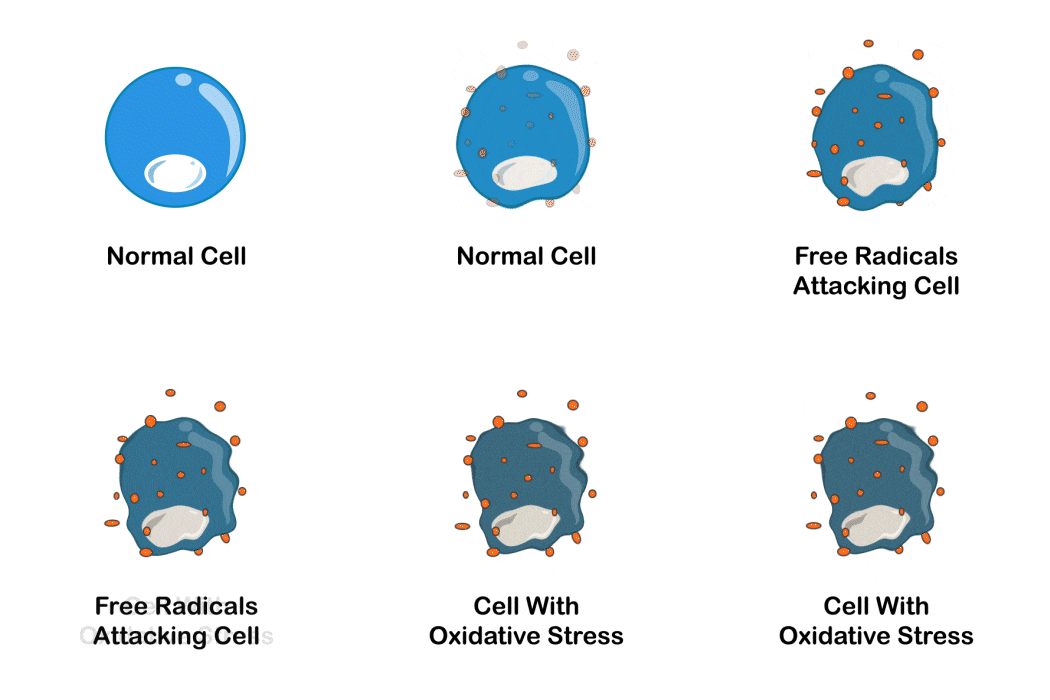 Oxidative stress significantly affects health and vision. It is a process in which free radicals are produced, leading to potential harm as these unstable molecules steal electrons from healthy cells. This oxidative damage can manifest visibly as aging skin and ocular changes, such as cataract formation. However, oxidation is not the only factor contributing to accelerated aging and eye conditions; poor circulation and insufficient essential nutrients also play important roles.
 Glaucoma is a severe eye disease linked to high intraocular pressure. How can you regulate eye pressure? If you have a glaucoma diagnosis, the eye doctor often prescribes eye drops to lower intraocular pressure (IOP). Is there anything additional that you can do to help keep your IOP lower?
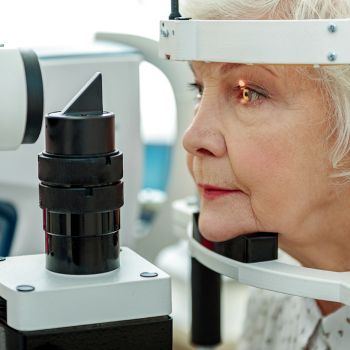 January is Glaucoma Awareness Month—a time to shed light on an eye disease that is a leading cause of irreversible blindness in the US. Seniors are especially at risk. Glaucoma, often dubbed “the silent thief,” primarily impacts peripheral vision. Severe and untreated cases can lead to blindness. This stealthy eye disease can progress unnoticed until it is quite advanced, making early detection vital. While it predominantly affects older adults, glaucoma can occur at any age, underscoring the importance of regular, comprehensive eye exams. Find out about symptoms, screening, causes, and nutrients that fight glaucoma.