
 Protecting your vision doesn’t have to be complicated or costly. Decades of peer‑reviewed research show that specific nutrients—especially antioxidants, carotenoids, and omega‑3 fatty acids—can help maintain healthy eyes and reduce the risk of common conditions like cataracts, age‑related macular degeneration (AMD), glaucoma, and diabetic retinopathy. While a colorful, nutrient‑dense diet is foundational, therapeutic levels are often difficult to reach through food alone. This guide summarizes key nutrients, food sources, and targeted supplements, drawing on nearly 25 years of research curation at Natural Eye Care and over 45 years of clinical experience by Dr. Marc Grossman. Continue reading “Essential Nutrients for Eye Health: Evidence-Based Guide to Vitamins, Antioxidants, and Supplements”
Category: Vitamin C
Flu and Cold Season – Natural Ways to Stay Healthy
 Wintertime is when colds and flu are the most common. Why should we try to avoid these infectious diseases, and how? In addition to annual vaccines, what are some natural ways to stay healthy during cold and flu season? At Natural Eye Care, we see healthy eyes as part of a healthy body. This article references research that supports lifestyle, nutrition, botanicals, and supplements to fight colds and flu. Find out how to avoid getting sick, reduce the impact, and recover faster.
Each year, approximately 5 to 20 percent of Americans come down with the flu. Although most recover without incident, flu-related complications typically lead to at least 200,000 hospitalizations and between 12,000 and 60,000 deaths each year. People tend to recover from bacterial-related colds much more quickly than virus-related colds. Seniors and small children are especially susceptible.
Continue reading “Flu and Cold Season – Natural Ways to Stay Healthy”
Corneal Health: Best Ways to Help Your Eyes
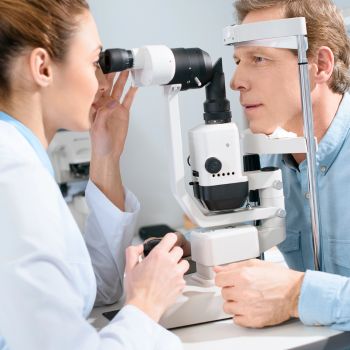 The cornea plays a crucial role in our vision. It is the transparent tissue at the front of the eyeball where light enters the eye. Approximately 65% to 75% of the refraction of light occurs in the cornea. The cornea also protects against external threats and harmful UV radiation. However, this vital part of our eye is constantly under siege. The cornea faces oxidative stress daily due to its high exposure to light and intense metabolic activity. The main culprit is ultraviolet radiation from the sun, which triggers the formation of Reactive Oxygen Species (ROS). These harmful free radicals can wreak havoc on the cells if not kept in check by antioxidants. While the cornea absorbs all UVC and most UVB rays, UVA rays are primarily absorbed by the lens.
Continue reading “Corneal Health: Best Ways to Help Your Eyes”
Healthy Cells Mean a Healthy Body: Mitochondria Maintenance
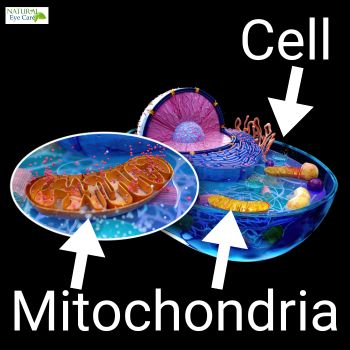 Keeping our cells healthy is key to staying well and helping to prevent disease. Your 30 trillion cells each contain mitochondria, the cell’s tiny “battery” and energy source. The main cause of death worldwide is non-communicable diseases such as heart disease, strokes, diabetes, cancer, chronic lung diseases, and brain diseases, including Alzheimer’s disease and dementia. Anything you do to keep your mitochondria healthy can mitigate these diseases, potentially extending life and increasing the quality of life. We have talked about how mitochondria work in some of our previous articles. In this article, we will discuss the origins of mitochondria, lifestyle considerations, and symptoms of mitochondria disease. Also, we include a long list of foods, supplements and nutrients that support mitochondrial functioning.
Continue reading “Healthy Cells Mean a Healthy Body: Mitochondria Maintenance”
Oxidative Stress and Metabolic Syndrome
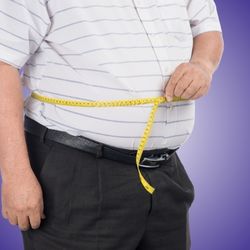 Extra weight around the belly may not seem hazardous. However, a higher abdominal circumference is one of several contributing factors to Metabolic Syndrome. As a risk factor for diabetes and cardiovascular disease, Metabolic Syndrome can creep up over time. Hormones, insulin resistance, genetics, organ dysfunction, and mitochondrial dysfunction can play a role.
Lifestyle, including nutrition and exercise, are factors that contribute to Metabolic Syndrome, and are under our control. Therefore, preventing or reversing metabolic syndrome can improve both lifespan and quality of life. Diabetic retinopathy, central retinal artery occlusion, cataract, age-related macular degeneration, glaucoma, and dry eye syndrome are eye diseases with similar underlying risk factors to Metabolic Syndrome. Oxidative stress ties into all these problems. What is the science behind Metabolic Syndrome? What can you do to head it off? Continue reading “Oxidative Stress and Metabolic Syndrome”
How Are Hair Loss and Eye Conditions Connected?
 Hair loss is a prevalent concern, affecting both men and women. Surprisingly, there may be a connection between hair loss and eye conditions. This intriguing link stems from healthy vision being closely tied to overall bodily health. Chronic conditions such as diabetes, arthritis, and hypertension are associated with declining eye health. The root causes of many chronic conditions, such as incomplete nutrition and chronic inflammation, can damage hair and impede hair growth. Certain autoimmune diseases can cause alopecia. Both an underactive and overactive thyroid can cause hair loss and affect the eyes. Menopause impacts both the eyes and hair. In this article, we will explore androgenetic alopecia, hyperthyroidism and hypothyroidism, eyelash loss (madarosis), menopause, diet and vitamin deficiencies, and insights from Traditional Chinese Medicine. Continue reading “How Are Hair Loss and Eye Conditions Connected?”
Alzheimer’s Disease, Glaucoma and Macular Degeneration: New Research
 New research studies have found strong relationships between lifestyle and the aging brain. How can you help prevent or delay Alzheimer’s Disease and other forms of dementia? The eye’s retina is brain tissue. Not surprisingly, researchers have found connections between Alzheimer’s Disease, glaucoma, and lifestyle. What does the new research show? Are nutrition, supplements, exercise, and smoking avoidance shown to help?
What Are The Chances?
By the age of 65, 10% of seniors have Alzheimer’s Disease. Every five years, the risk doubles. Instead of waiting for any type of dementia to strike, you can take steps right now!
Alzheimer’s Disease is a complex brain disease. Amyloid-beta plaque builds up in the brain. Early symptoms include memory loss, impaired judgment, disorientation, losing items, and personality changes. Later, the brain is fully impaired, resulting in the need for caregivers. Multiple systems in the brain break down, including: Continue reading “Alzheimer’s Disease, Glaucoma and Macular Degeneration: New Research”
Nutrients for Cataracts: New Research, New Package
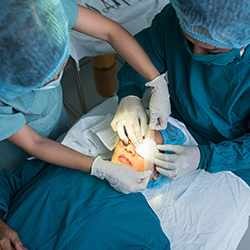 Cataracts are one of the most common eye conditions among seniors. A cataract results in clouding the vision, and eventually causes blindness if not treated. The conventional approach to cataracts is to wait and see if it gets worse. When a cataract is advanced, an eye surgeon usually offers cataract surgery. Cataract surgery uses artificial lenses that correct any clouding due to a cataract. It can correct certain refraction errors at the same time. However, not everyone is a good fit for this treatment. Which nutrients help promote healthy lenses and overall eye health? What does recent research into cataract pharmacotherapy show? And, which combinations of nutrients are the most effective for lens support? Continue reading “Nutrients for Cataracts: New Research, New Package”
Protect the Optic Nerve with Taurine, Bilberry, and More
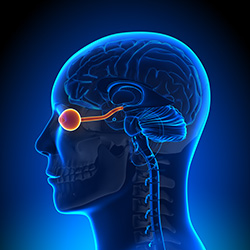 Several nutrients and vitamins such as bilberry and taurine help protect the optic nerve from damage. Glaucoma causes optic nerve damage. Optic neuritis and optic nerve atrophy are serious conditions that harm the optic nerve. Since the optic nerve sends electrical signals from the eye to the brain, any interruption damages vision. How does the optic nerve work? Which diseases damage the optic nerve? What does the research show about how nutrients, foods, and vitamins protect the optic nerve? Taurine, gingko biloba, a fruit called bilberry, Vitamin C, and Vitamin B12 among others have demonstrated their usefulness. Continue reading “Protect the Optic Nerve with Taurine, Bilberry, and More”
Can You Prevent or Reverse Cataracts?
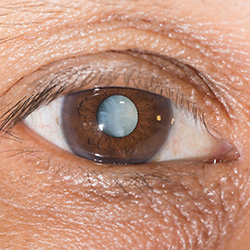 Is it possible to prevent cataracts, or even reverse cataracts? Can you put off cataracts surgery? Cataracts are one of the most common eye diseases in seniors. More and more people have a special “glint” in their eye when the light hits the lens just right. What is the value of preventing cataracts and other eye diseases? Continue reading “Can You Prevent or Reverse Cataracts?”