
 Did you know that periodontal disease and cavities are significant threats to oral health? In children, tooth decay is about five times more prevalent than asthma, and seven times more common than inhaled allergies. Adults lose teeth mostly from untreated periodontal disease. Untreated oral disease has resulted in 15% of people over the age of 65 having all their teeth removed.[1. Centers for Disease Control and Prevention. Oral Health Surveillance Report: Dental Caries, Tooth Retention, and Edentulism, United States, 2017–March 2020. U.S. Dept of Health and Human Services; 2024.] Severe tooth loss resulting in fewer than 8 teeth remaining affects 26% of seniors.[2. Griffin SO, Griffin PM, Li C-H, Bailey WD, Brunson D, Jones JA. Changes in older adults’ oral health and disparities: 1999 to 2004 and 2011 to 2016. J Am Geriatr Soc. 2019;67(6):1152–1157.] Untreated tooth decay in permanent teeth plagues 53 million adults in America.[3. Benjamin RM. Oral health: the silent epidemic. Public Health Rep. 2010 Mar-Apr;125(2):158-9. doi: 10.1177/003335491012500202. PMID: 20297740; PMCID: PMC2821841.] Continue reading “Oral Bacteria Could Lead to a Heart Attack and Eye Disease”
Category: Eye Infection
Corneal Health: Best Ways to Help Your Eyes
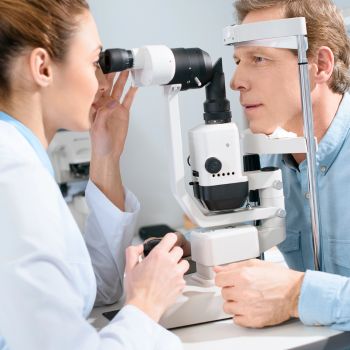 The cornea plays a crucial role in our vision. It is the transparent tissue at the front of the eyeball where light enters the eye. Approximately 65% to 75% of the refraction of light occurs in the cornea. The cornea also protects against external threats and harmful UV radiation. However, this vital part of our eye is constantly under siege. The cornea faces oxidative stress daily due to its high exposure to light and intense metabolic activity. The main culprit is ultraviolet radiation from the sun, which triggers the formation of Reactive Oxygen Species (ROS). These harmful free radicals can wreak havoc on the cells if not kept in check by antioxidants. While the cornea absorbs all UVC and most UVB rays, UVA rays are primarily absorbed by the lens.
Continue reading “Corneal Health: Best Ways to Help Your Eyes”
Which Parts of the Eyes Are Associated with Which Eye Diseases?
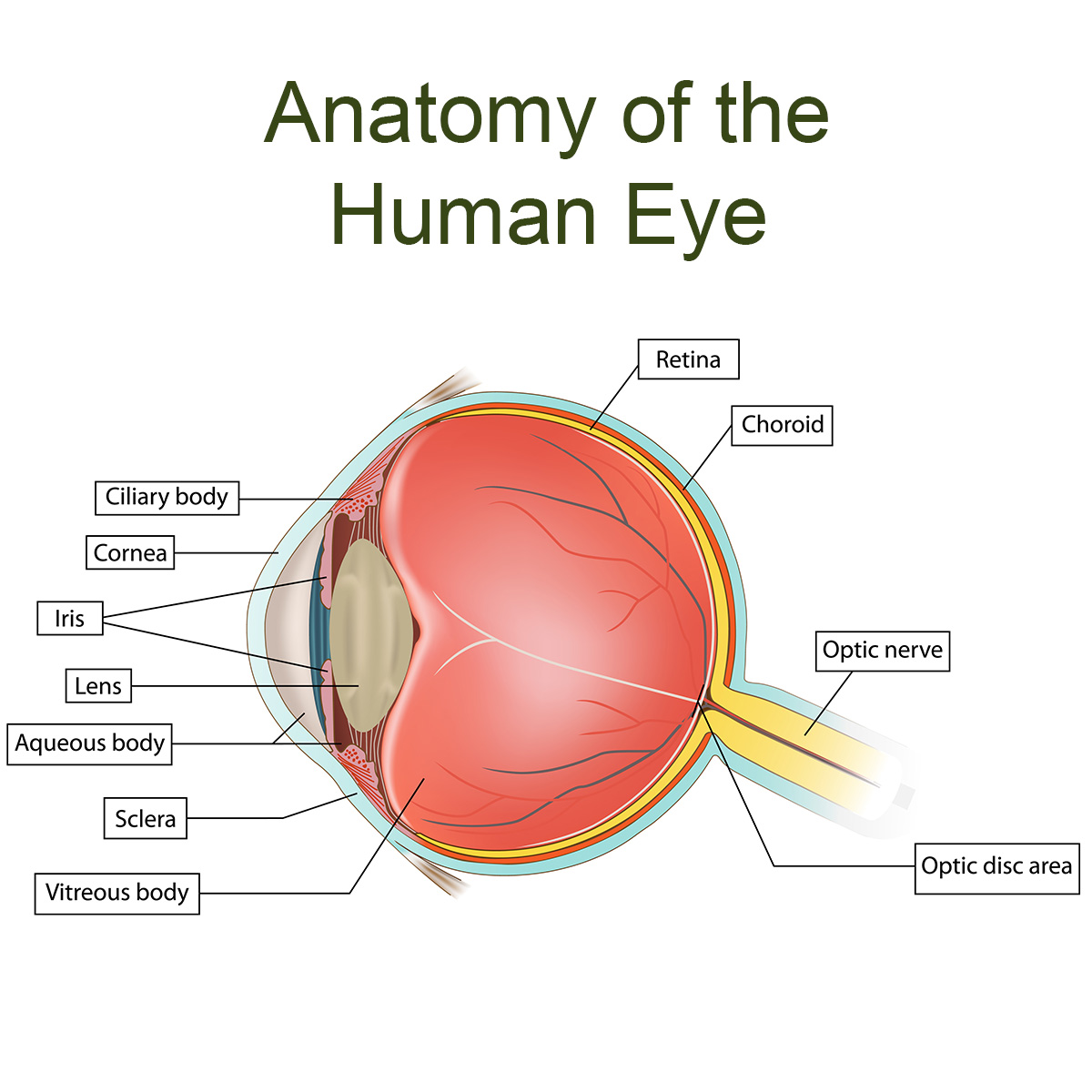 The eyes are small, but they have many parts including the eyelids, sclera, cornea, lens, optic nerve and retina. We depend heavily on our vision. When something goes wrong, the eyes are disproportionately affected. For example, a senior at risk of heart disease is also at risk of an ocular arterial or vein occlusion. Also, the macula requires a yellow-colored nutrient (lutein and zeaxanthin) found in certain vegetables such as green leafy vegetables, red, yellow and green peppers, corn and eggs. And antioxidants found in fresh fruits and vegetables have been shown to reduce oxidative eye damage and eye disease. Continue reading “Which Parts of the Eyes Are Associated with Which Eye Diseases?”
Corneal Abrasions on the Eye: A Guide by Natural Eye Care
 Corneal abrasions are scratches on the outermost part of the eye. Sometimes a painful injury is the clear cause. Other times, symptoms can build slowly over a few hours. A corneal abrasion causes so much discomfort that sufferers should seek medical care quickly. The scratch can become infected and cause serious damage in as little as 24 hours. Therefore, recognizing a corneal abrasion could save your sight.
The cornea has 6 layers, and it is very sensitive. It helps the body regulate tear production. The cornea sends signals to the brain to direct it to tell the lacrimal glands whether more or less tears are needed every moment.
Symptoms of Corneal Abrasions
The primary symptom Continue reading “Corneal Abrasions on the Eye: A Guide by Natural Eye Care”
Eye First Aid Guide by Natural Eye Care: Eye Injuries, Prevention
 When eye injuries occur, eye first aid can prevent blindness and vision loss. Eye injuries can be inconsequential or life-changing. Know what to do with each type of eye injury. Also learn how to prevent injuries to the eyes. Most eye injuries can be prevented with protective eyewear. You should keep certain items on-hand in case of eye injuries.
Exposure to Chemicals
We are around chemicals often. Soap, detergents, Continue reading “Eye First Aid Guide by Natural Eye Care: Eye Injuries, Prevention”
How to Improve Your Vision Health
 People who have advanced eye disease have waited too long to improve their vision health. Keeping the eyes health is a lifetime endeavor. An unhealthy lifestyle and poor nutrition lead to a higher risk of eye diseases. Researchers have linked cataracts, macular degeneration, glaucoma, optic neuropathy, retinal vein occlusions, and other eye conditions to mostly-controllable risk factors. Seniors are especially at risk. Natural Eye Care offers this guide to improving vision health. Continue reading “How to Improve Your Vision Health”
Two Eye Washes for Irritated Eyes
 Eye washes provide natural relief for irritated, inflamed eyes. Natural Eye Care recommends eye washes for a wide variety of eye conditions. Good lid hygiene can both soothe and prevent eye irritation.
Eye irritation can be caused by conjunctivitis, bacterial or viral infections, dry eyes, hormonal changes, allergies, drug side-effects, dehydration, excessive screen time, Continue reading “Two Eye Washes for Irritated Eyes”
Optic Neuritis: A Complete Overview from Natural Eye Care
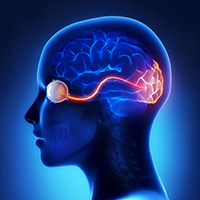 Optic neuritis is swelling and inflammation of the optic nerve that can cause eye pain, visual impairment, dull colors, and/or flashing lights. Since the optic nerve carries visual information to the brain, any symptoms of optic neuritis should be checked by a doctor immediately. If a patient has just one incident, chances are good that they will fully recover. However, inflammation of the optic nerve can be the first sign of multiple sclerosis, a serious degenerative disease.
One of the dangers of this problem is that the optic nerve can lose some of its myelin. The myelin sheath is fatty tissue that protects the nerves. When the myelin sheath is compromised, the nerves can be damaged. This is one important reason to consult Continue reading “Optic Neuritis: A Complete Overview from Natural Eye Care”
Eyebright Fights Microbes and Inflammation
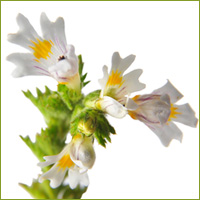 European researchers have been looking at what makes eyebright tick and why it has long been regarded in traditional folk medicine as a helpful herb for eye conditions. Turns out that eyebright supports more than eye health. Wikipedia describes eyebright as having possible benefits not only for blepharitis and conjunctivitis, but for eye strain, colds and sinus infections, allergies and hay fever and sore throats and coughs.
Anti-Microbial Action
Eyebright has anti-microbial action and is more effective in concentrations of at least 512 micrograms per milliliter against a number of nasty microbes associated with eye infections.
Continue reading “Eyebright Fights Microbes and Inflammation”
Iritis – Minor Irritation or Major Warning?
 Iritis is a common diagnosis that literally means “inflammation of the iris,” the colored part of the eye. Anterior uveitis is a more technical term for iritis. There are many possible causes, and sometimes the cause cannot be identified. Due to the complexity of the vision system, any suspected case of eye inflammation should be examined by an optometrist, ophthalmologist or medical doctor. Most of the time, iritis resolves in less than 6 weeks; however, iritis can reoccur. It can signal acute or chronic underlying disease in the body, and therefore should be cared for by a qualified healthcare professional. Without proper treatment, iritis can lead to cataracts, glaucoma, an irregularly sized and sluggish pupil, calcium deposits in the cornea, central serous choroidopathy, or retinal swelling (cystoid macular edema). Continue reading “Iritis – Minor Irritation or Major Warning?”