
Iritis, the most common form of uveitis, is more prevalent than most people realize. What are the symptoms of this eye condition? What can you do to prevent and manage all types of uveitis? When does uveitis signal an underlying condition?
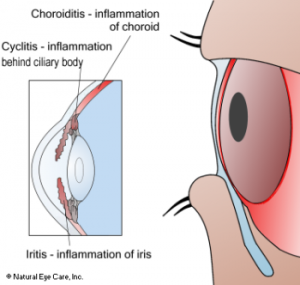
Uveitis is an inflammation of the uvea. The uvea is made up of the iris, the colored part of the eye; the ciliary body, which makes the fluid that fills the eye and flexes the eye lens; and the choroid, the layer beneath the retina.
 Types of Uveitis
-
- Iritis or anterior (front) uveitis. Anterior uveitis can involve the iris, ciliary body, cornea, and sclera. It is the most common type of uveitis and accounts for about 50–60% of all uveitis cases in special care clinics.[1. Albert, D.M., Jakobiec, F.A., editors. (2000). Principles and Practice of Ophthalmology. 2nd ed. Philadelphia, PA: WB Saunders Co.] Sixty-five percent of cases are related to another health condition. The remaining 35% are idiopathic (no discernible relationship to another health problem).
- Cyclitis or intermediate uveitis. Intermediate uveitis is the least common type of uveitis, involving the area between the ciliary body and the back of the eyeball. It has been found to account for 3–17% of uveitis around the world.[2. Ibid. Albert. (2000).]
- Choroiditis or posterior (back) uveitis. This category accounts for only 10–40% of uveitis cases. However, more visual loss results in these cases than from other uveitis forms. Such vision loss may be due to cystoid macular edema, retinal detachment, subretinal fibrosis, or optic nerve damage.[3. Jabs, D.A., Akpek, E.K. (2005). Immunosuppression for posterior uveitis Retina, Jan; 25(1):1-18.3.] Up to 50% of patients with posterior uveitis have an associated systemic disease.
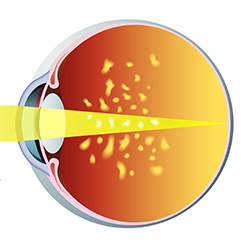 Have you ever noticed specks or clouds in your field of vision? They are most likely eye floaters. Floaters can look like cobwebs, blobs, dots, or little insects that float around. Eye floaters can be semi-transparent or darker. If you have them, they are more noticeable in certain lighting conditions, such as bright sunlight. You might not notice them at all unless you are looking for them.
  Lack of Vitamin D has been associated with eye diseases like uveitis, macular degeneration, and dry eye. Vitamin D deficiency is also linked to cancer, immune disorders, heart disease, high blood pressure, osteoporosis, bone pain, depression, asthma, multiple sclerosis, and even dementia. Shockingly, more than 40% of the US population is Vitamin D deficient. The body manufactures Vitamin D, so why is deficiency wide spread? Indoor living, aging, and many other factors are behind this virtual pandemic. How can you measure your vitamin D levels? How can you get enough? Isn’t fortified milk enough? Should you take a supplement? Which one?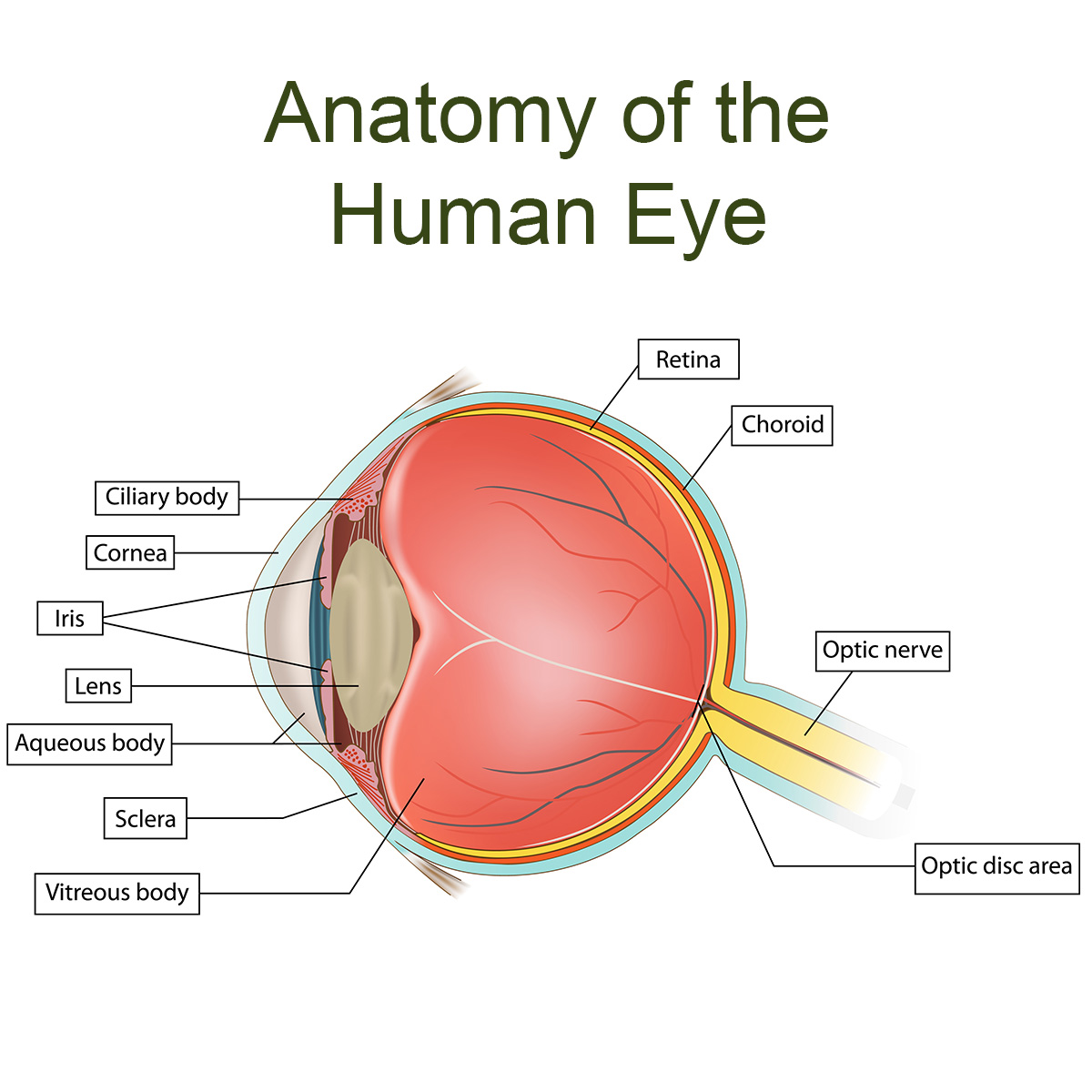
 People who have advanced eye disease have waited too long to improve their vision health. Keeping the eyes health is a lifetime endeavor. An unhealthy lifestyle and poor nutrition lead to a higher risk of eye diseases. Researchers have linked cataracts, macular degeneration, glaucoma, optic neuropathy, retinal vein occlusions, and other eye conditions to mostly-controllable risk factors. Seniors are especially at risk. Natural Eye Care offers this guide to improving vision health.
  Inflammation is a factor in many eye diseases, and what you eat affects inflammation. Whenever major holidays comes along, we are tempted to eat special foods. Many of these treats are high in calories and sugar, which contribute to inflammation. While you don’t want to spoil anyone’s fun, you can choose to eat foods that are anti-inflammatory. At the end of this article, you will find tips for limiting the damage while still enjoying the holiday.
 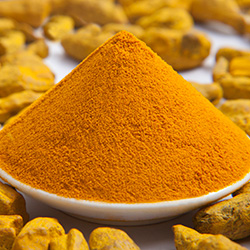 Curcumin is a powerful antioxidant and anti-inflammatory spice. Inflammation plays a role in many eye conditions, including uveitis, glaucoma, and macular degeneration. Used for millennia in Indian cooking, curcumin is the main ingredient in turmeric. Turmeric gives mustard its yellow color. When combined with black pepper, this spice is easier to absorb. You can use turmeric in cooking and take it as a supplement.
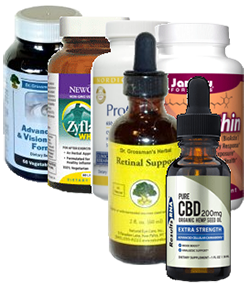 More and more research is pointing to inflammation as playing a role in a wide range of diseases. Alzheimer’s disease, heart disease, cancer, and arthritis, and even the visible signs of aging are all linked to chronic inflammation. Autoimmune disorders such as rheumatoid arthritis, multiple sclerosis, lupus, and Sjogren’s Syndrome can damage the eyes. Also, major eye diseases including Inflammatory (Uveitic) Glaucoma and Wet Macular Degeneration involve inflammation. Anti-inflammatory supplements can help tackle these conditions.
 The links between antioxidants and vision health are strong. Antioxidants are the antidote to oxidization. Normal metabolism creates free radicals. These are atoms that lack an electron. Free radicals roam about the body, scavenging electrons and stealing electrons from healthy cells. This results in permanent damage to these afflicted cells which ultimately can result in disease. Significant research has shown that antioxidants protect against this cellular damage and are essential for maintaining health. The eye is especially vulnerable to free radical damage. Therefore, providing the body with sufficient antioxidants
  Macular edema is a swelling of the macula, the part of the eye responsible for central vision. When fluid builds up in the macula, it becomes swollen and thicker. This distorts vision. There are several causes, including diabetic retinopathy, post-eye surgery complications, macular degeneration, injury, systemic inflammatory diseases that can affect the eye, and/or vein blockages. If an eye disease causes damage to blood vessels in the retina, it can cause macular edema. Left untreated, this problem can cause serious vision loss and even blindness.