
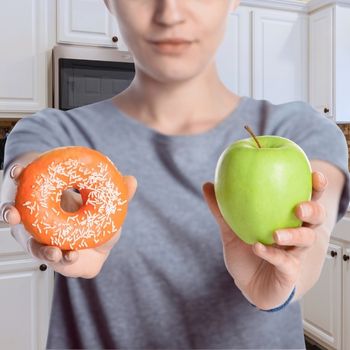
 Ultra-processed foods are industrial formulations that undergo extensive processing and typically contain multiple ingredients not usually found in home cooking. Typically, these foods are lower in nutrients and fiber and higher in sugar, fat, and salt compared to unprocessed or minimally processed foods. Ultra-processed foods include soda, packaged cookies, chips, frozen meals, flavored nuts, flavored yogurt, hot dogs, distilled alcoholic beverages, and fast foods. Even many packaged breads, including those high in nutritious whole grains, qualify as ultra-processed because of the additives and preservatives they contain. Continue reading “What Are Ultra-Processed Foods? Effect on Vision and Health”
Category: Gut health
Longevity: Keeping Your Body, Mind and Vision Healthy Longer

Living a long, healthy life is not just about genetics or luck—it is about understanding how your daily choices, emotions, and even your gut health can influence your overall well-being. Modern science and ancient wisdom both highlight the deep connections between mind, body, and vision. In this article, we explore how emotions like anger, the health of your gut, and the balance of your body’s systems all play a crucial role in supporting longevity and protecting your eyesight. Whether you are aiming to stay sharp, energetic, and clear-sighted as you age or simply want to take a more holistic approach to your health, you will find practical insights and actionable tips to help you thrive for years to come.
Continue reading “Longevity: Keeping Your Body, Mind and Vision Healthy Longer”Stevia, Monk Fruit and Other Sugar Alternatives for Better Health
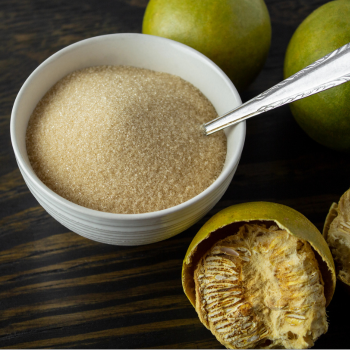
Stevia, monk fruit, and other natural sugar substitutes offer sweetness without the health risks of refined sugar or artificial sweeteners. In this article, we will cover the benefits and safety of these alternatives. And, we will talk about why cutting back on refined foods and steering clear of chemical sweeteners can make a real difference for your long-term health. Choosing the right sweetener is not just about calories or taste. Reducing your intake of refined sugars and processed foods can help lower your risk of diabetes, heart disease, and other chronic conditions. At the same time, avoiding artificial sweeteners may support better gut health, metabolism, and overall wellness.
Continue reading “Stevia, Monk Fruit and Other Sugar Alternatives for Better Health”
Food Allergies, Intolerances, and Sensitivities Linked to Vision Problems
 Allergies to food can cause eye symptoms, but food allergies can also lead to vision problems. Grouped with food allergies are food intolerances and food sensitivities. While food allergies are an immune system reaction, intolerances and sensitivities are related to the digestive system. In this article, we discuss how individuals with these food issues need to protect their eyes from harm.
The Differences Between Food Allergies, Sensitivities, and Intolerances
Food allergies occur when the immune system produces an IgE-mediated response to specific proteins found in certain foods. In contrast, food intolerances and sensitivities are typically related to the digestive system’s inability to properly break down or process particular foods, rather than an immune reaction. Continue reading “Food Allergies, Intolerances, and Sensitivities Linked to Vision Problems”
9 Healthy Lifestyle Habits for the Eyes, Brain and Body
 The brain and visual system rely on a significant portion of the nutrients you consume to maintain optimal health and function. Supporting the connections between the body, mind, and eyes is key to promoting healthy vision, preserving brain health, and reducing the risk of age-related eye and brain diseases. This includes macular degeneration, glaucoma, and cataracts, plus dementia and Parkinson’s Disease.
Many of these conditions stem from a lack of essential nutrients reaching the eyes and brain, leaving them deprived of what they need to thrive. Other factors, such as autoimmune diseases, cardiovascular issues, medications, chronic stress, a sedentary lifestyle, poor diet, inadequate sleep, and both genetic and epigenetic influences, can also play a role. Continue reading “9 Healthy Lifestyle Habits for the Eyes, Brain and Body”