
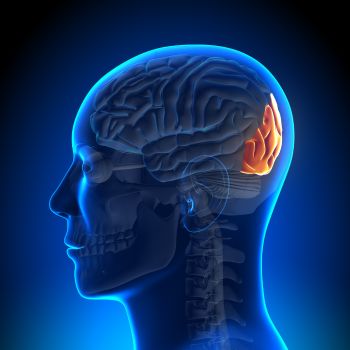
One important concept for maintaining eye health is understanding the eye-brain connection. This pathway starts with light entering the eye and ends when your brain makes sense of the visual world around you. Disruption or damage at any point in the pathway distorts your perception. Therefore, maintaining the health of each part of the eye-brain connection pathway ensures accurate perception. Your vision accounts for around 80% of your perceptions, learning, and thinking. Maintaining your vision as you age improves your quality of life. Consider how your ability to drive, watch television, read, prepare food, walk in nature, shop, and recognize friends and loved ones enables you to live independently and passionately. At Natural Eye Care, we want you to have the best chance at maintaining healthy vision throughout your whole life. Continue reading “Eye Brain Connection: The 5 Steps”
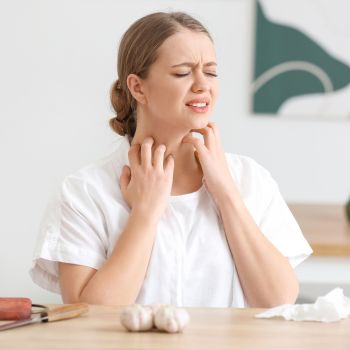 Allergies to food can cause eye symptoms, but food allergies can also lead to vision problems. Grouped with food allergies are food intolerances and food sensitivities. While food allergies are an immune system reaction, intolerances and sensitivities are related to the digestive system. In this article, we discuss how individuals with these food issues need to protect their eyes from harm.
 In the USA, our diets are usually high in ultra-processed foods, fat, sugar, salt, and empty calories. Poor nutrition has been linked to declines in mental health, increasing the risk of depression and anxiety. It can also compromise eye health, contributing to conditions like glaucoma, diabetic retinopathy, cataracts, and macular degeneration. A nutrient-poor diet can also impair brain, cardiac, and neurological function, weaken immunity, and contribute to obesity.
  The brain and visual system rely on a significant portion of the nutrients you consume to maintain optimal health and function. Supporting the connections between the body, mind, and eyes is key to promoting healthy vision, preserving brain health, and reducing the risk of age-related eye and brain diseases. This includes macular degeneration, glaucoma, and cataracts, plus dementia and Parkinson’s Disease.
 We are exposed to blue light daily when we over-use computers, smartphones, tablets, and televisions. We also get blue light from the sun, and LED and fluorescent lights The risks associated with blue-light exposure increase with the duration of exposure. Therefore, take steps to keep your eyes safer. We will explain research on blue light and macular degeneration, and provide tips for reducing blue light exposure.
 Staying hydrated is an essential part of maintaining health. Drinking healthy fluids throughout the day helps the body detoxify and is critical in maintaining temperature control and proper blood viscosity. Seniors, in particular, generally do not drink enough water.
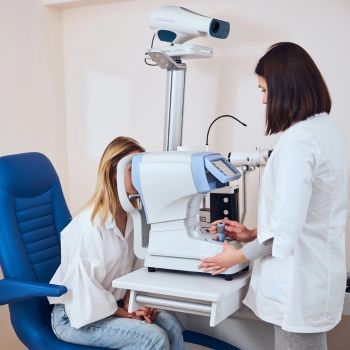 Retinal scans are proving to be an effective way to detect early signs of diseases like diabetes, multiple sclerosis, and dementia. They can sometimes detect disease before symptoms appear. The best news about retinal scans is that they are painless and non-invasive. You may have looked into machines that scan the retina at your optometrist or eye surgeon’s office. Why are retinal scans helpful for detecting diseases that are not, technically, eye diseases? How is the retina connected to the brain and brain health?
 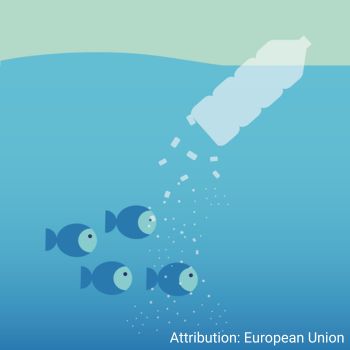 When tiny plastic particles pollute the ecosystem, can they cause harm? If so, can you do anything? At Natural Eye Care, we have mined the research on the effects of microplastics and nanoplastics on human health. Read on to find out what they are, how they affect living organisms, and how to reduce your exposure.
 We might not connect our eating habits to eye disease, but poor nutrition impairs circulation. Reduced circulation can contribute to eye diseases, including cataracts, glaucoma, retinal vascular occlusions, ischemic optic neuropathy (ION), dry eyes, macular degeneration, and diabetic retinopathy. Instead of being a “victim” of eye diseases in your senior years, you can take charge of your health today!