
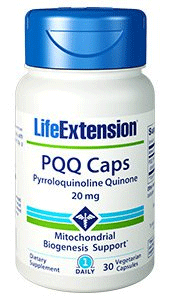
 Scientists are learning more about nutrients that impact the cells and brain. Pyrroloquinoline quinone (PQQ) is a nutrient found in certain fruits, vegetables, tea, and eggs. PQQ supplements appear to improve mitochondrial functioning and improve the brain. As people age, the tiny mitochondria inside cells become increasingly damaged. PQQ is a quinone that could prove to be an important anti-aging supplement.
Humans cannot produce their own pyrroloquinoline quinone. You can get some PQQ through your diet. PQQ is found naturally in food such as bananas, cabbage, carrots, celery, egg yolks, fava beans, field mustard, green peppers, kiwi, miso, natto (fermented soybeans), oranges, papayas, parsley, potatoes, spinach, sweet potatoes, tofu, tomatoes, and green teas. Bacteria inside of people may be able to produce some PQQ. However, PQQ supplements provide a steady, predictable dose. We recommend just 10 mg to 20 mg of PQQ supplements per day. Continue reading “Pyrroloquinoline Quinone (PQQ) Supplements Have Anti-Aging and Brain Health Benefits”
 Parkinson’s disease is a multi-neurological disease. Currently, most Parkinson’s treatments focus on increasing dopamine production and reducing motor symptoms and tremors through medication. However, this disease has many causative or contributing factors that cause changes in healthy brain function. Many of these factors are also relevant for dementia, Alzheimer’s, Huntington’s, and Wilson’s diseases as well. Which factors impact brain functioning and the development of brain disease? Are there natural approaches to preventing and slowing the progress of such devastating diseases? This article offers a brief overview, based on the new book, Natural Parkinson’s Support: Your Guide to Preventing and Managing Parkinson’s.
 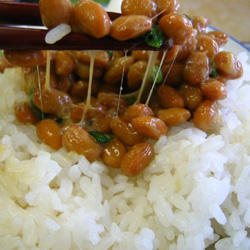 Researchers are finding that food and supplements containing nattokinase may reverse atherosclerosis. Current treatments for hardening of the arteries slow down the progression of heart disease. Effectively reversing atherosclerotic lesions would be a dream come true for drug manufacturers. Nattokinase is the most active ingredient in natto. Natto is a traditional Japanese food made from fermented soybeans. Could we increase our longevity by consuming natto or nattokinase supplements?
 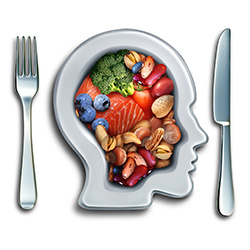 Brain health is especially important in seniors. Seniors are susceptible to dementia, Alzheimer’s disease, memory problems, and cognitive decline. Which foods boost brain power the most? At Natural Eye Care, we have picked eleven common foods that have brain-saving properties. Scientists have been studying the nutrients in foods for decades. They have isolated specific nutrients that cross the blood-brain barrier. These types of nutrients get direct access to the brain and even the retina. The retina is made from neural tissue. Researchers find that many of the nutrients helpful for the brain also stave off eye diseases such as macular degeneration and glaucoma.
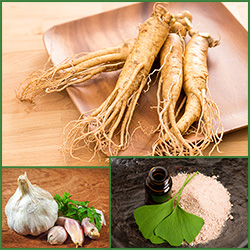 Three time-tested supplements stand out as champions for eye and brain health: garlic, ginseng, and ginkgo. Research on these supplements backs up why they have been used for thousands of years. Garlic plays an important role in all three major traditional medicines–Traditional European Herbal Medicine, Ayurveda, and Traditional Chinese Medicine. Ginseng and ginkgo are crucial herbs in Traditional Chinese Medicine. Do these supplements work? Are they beneficial for aging brains and eyes? What does the research show?
  Astaxanthin is a potent antioxidant that helps prevent sun damage to the body by blocking free radical damage. This bright red molecule forms in certain algae, pink seafood, and yeast. Unlike beta-carotene, this carotenoid crosses the blood-brain barrier to help maintain healthy brain function. Astaxanthin helps the brain by promoting neurogenesis, the generation of new brain neurons. This nutrient also supports existing neurons by reducing oxidative stress. Scientists have found that astaxanthin can protect against cumulative sun damage to the eye. This nutrient may help reduce the risk of eye disease such as macular degeneration. It may also protect against cataracts and vision loss from glaucoma. In addition, related carotenoids called lutein and zeaxanthin block blue light and work synergistically with astaxanthin.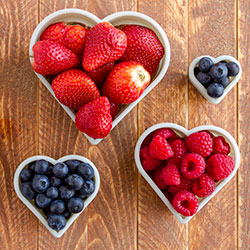
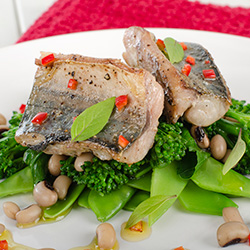 Docosahexaenoic acid or DHA is a naturally-occurring chemical, so why might seniors need to supplement it? Our bodies create small amounts of this omega-3 fatty acid. DHA from the diet, such as seafood, also counts. Docosahexaenoic acid is crucial to brain development in infants, and it is found in large quantities in the brain and retina. Researchers have found that consuming extra DHA can fight eye disease. How much docosahexaenoic acid do you need to get these effects? Can you get enough through your diet, or do you need to supplement DHA for optimum health?
  The main indicator of age at first glance is facial wrinkles. Seniors who wish to maintain a youthful appearance are tempted to purchase wrinkle creams and supplements. Before buying, consumers should look at objective research. One supplement called astaxanthin has been shown in small studies to reduce wrinkling and enhance the skin. Astaxanthin is also excellent for the eyes. What is Astaxanthin made from? What are the benefits to the eyes and skin?
  You may have heard of the supplement Nicotinamide Riboside, but why is it called anti-aging? How is the supplement Resveratrol involved? How much should you take? William Faloon of the Life Extension Foundation announced new guidelines for dosing in 2017.[1. http://www.lifeextension.com/Magazine/2017/9/New-Resveratrol-And-NAD-Dosing-Protocol/Page-01]