
 Did you know that your daily habits affect your eyes and brain? As our population ages, more effort is needed to support seniors’ eyes, brains, and overall health. Research shows that a balanced diet, regular exercise, meaningful social interactions, and targeted supplements can have a significant impact. Remember, your retina and optic nerves are essentially brain tissue, meaning the nutrients that nourish your brain also bolster your vision. Read on to discover some of the latest research in this field.
Continue reading “Nutrients That Support the Eyes and Brain: Sage & Goji Berries”
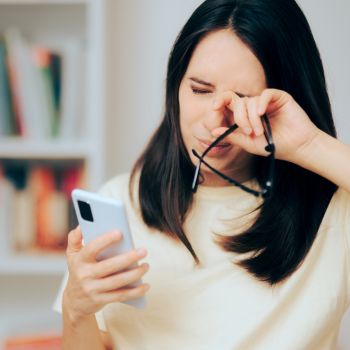 Dry eyes are among the most prevalent issues reported by our customers and patients. Women experiencing perimenopause and menopause frequently have dry eyes. However, it is increasingly observed across all age groups, largely attributable to prolonged use of digital devices such as computers, laptops, tablets, and smartphones. [1. Stapleton F, Alves M, Bunya VY, et al. TFOS DEWS II epidemiology report. Ocul Surf. 2017;15(3):334–365.] [2. LeBlanc AG, Gunnell KE, Prince SA, Saunders TJ, Barnes JD, Chaput J-P. The ubiquity of the screen: an overview of the risks and benefits of screen time in our modern world. Transl J Am Sports Med. 2017;2(17):104–113.] This extended screen time alters blinking patterns over time and exposes us to environmental pollutants, contributing to the development of dry eye symptoms and meibomian gland dysfunction.
 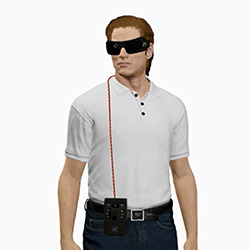 People with vision loss due to retinal disease may be able to use a bionic system to improve sight in the near future. Pixium Vision is running a feasibility study on is PRIMA System, and they got better-than-expected results. The study is on patients with dry Age-Related Macular Degeneration. Currently, medical science cannot restore vision in those with retinal dystrophies. The PRIMA System may lead to vision restoration for patients with Macular Degeneration, Retinitis Pigmentosa and other retinal diseases.
  Whenever the sun is shining, drivers need to wear sunglasses. Glare from the sun is unsafe and can cause accidents. The eyes are vulnerable to damage from sunlight. Which types of sunglasses are best for driving? How do sunglasses protect the eyes?
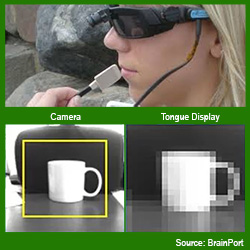 Visually impaired people can now detect their surroundings using a camera and a small device held on the tongue. Wicab Technology’s BrainPort converts visual data into tiny electrical signals. The tongue is sensitive enough to detect the patterns on an electrode array. With training, the brain learns to process the data in both the somatosensory cortex and the visual cortex. This sensory substitution device represents hope for the visually impaired. Visual impairment can be
 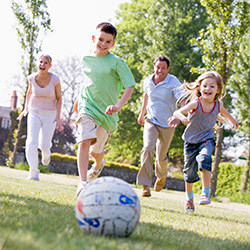 Myopia, or nearsightedness, is a common vision problem. Evidence is starting to show that sunlight has special properties beneficial to vision health. Specifically, exposure to sunshine reduces the risk of developing nearsightedness at all ages. The quality of artificial light and nutrition also play roles. The world’s most natural remedy is sunlight. Find out how much you need to stay healthy.
 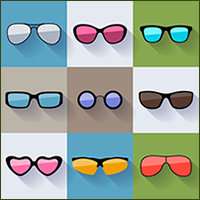 Everywhere you look, sunglasses are for sale! Sunglasses are found in malls, street corner vendor stalls, drug stores, sports stores, and even supermarkets. Prices vary from $2 to $300. Did you know that a high percentage of the protecting effects advertised are mislabeled? How can you find a pair of sunglasses that really provides protection against the harmful effects of sunlight? Does a higher price mean the glasses are better?
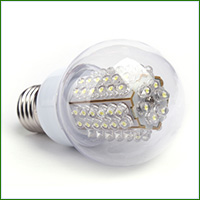 LED light bulbs are becoming very popular, but what is their effect on the eyes? Light Emitting Diode lighting uses up to 95% less energy than their incandescent counterparts. Before replacing your home or workplace’s indoor lights with LEDs, consider two downsides:
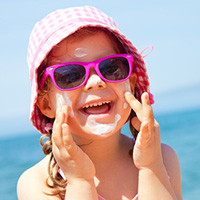 The sun sustains life, but it also can harm our eyes. Unsafe sun exposure causes or may contribute to several eye conditions and diseases. It can also cause eye injuries. Earth’s ozone layer absorbs most of the ultraviolet (UV) light from the sun, but chemicals have damaged it. Therefore, we must take extra precautions to prevent cataracts, age-related macular degeneration, ocular melanoma (eye cancer), and eye injuries such as pterygium (Surfer’s Eye), photokeratitis (snow blindness), and flash blindness. The sun is also a driving hazard when low on the horizon.