
Docosahexaenoic acid (C22:6, DHA) is a highly unsaturated omega-3 fatty acid that forms part of the central nervous and visual system structures. DHA is synthesized from its precursor, alfa-linolenic acid, that is also a omega-3 fatty acid and can be obtained from vegetable oils. marine organisms, specially fish, are good nutritional sources of DHA and eicosapentaenoic acid (EPA), another omega-3 fatty acid that has a role in vascular homeostasis.
DHA increases membrane fluidity, improving neurogenesis, synaptogenesis and the activity of retinal photoreceptors. The fetus, specially during the last trimester of pregnancy, has high DHA requirements. It is provided by the mother, since fetal DHA synthesis is negligible in this stage of development. Breast feeding provides DHA to the child, but most replacement artificial formulas do not provide this fatty acid. At the present moment, many products for infant nutrition contain DHA.
Ref: PMID:11775350[PubMed – indexed for MEDLINE]
Editor’s Note: DHA (Docosahexaenoic acid) is an omega-3 fatty acid found throughout the body. This essential nutrient supports optimal visual, nervous system and brain development in the fetus. It is important for pregnant women to supplement with a high quality fish oil (or through an algae supplement if vegetarian) as developing infants cannot efficiently produce their own DHA. Babies must obtain this vital nutrient. The fetus gets DHA through the placenta during pregnancy and from breast milk after birth.
 Smartphones, computers, tablets, and televisions are being blamed for a sharp increase in teenagers’ need for eyeglasses in the United Kingdom. The number of teens who need glasses nearly doubled, from 20% in 2012 to 35% in just four years later.[1. Scrivens Opticians report, 2019] Myopia was the diagnosis for 66% of these teens. Myopia, or nearsightedness, makes distant objects look blurry. Excessive up-close focusing is a risk factor for developing myopia.
  How can you save your vision regardless of your age? Eye disease is prevalent in seniors; however, people of all ages can take steps to protect their eyes. Here is Natural Eye Care’s guide to preserving the precious gift of sight.
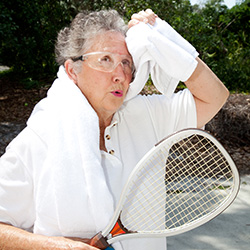 Almost everyone who plays sports is at risk of eye injury. From a flying puck in hockey to an eye poke in wrestling, all types of sports can result in eye injuries. Even the mild game of golf has a hidden hazard: the sun. Protective eyewear prevents most types of eye injury.
  Certain rapid eye movements of a subgroup of people on the Autism Spectrum Disorder may aid in diagnosis. The brain controls the eyes. Therefore, certain eye movement tests provide insight into the brain’s functioning.
 Myopia, or nearsightedness, is a common vision problem. Evidence is starting to show that sunlight has special properties beneficial to vision health. Specifically, exposure to sunshine reduces the risk of developing nearsightedness at all ages. The quality of artificial light and nutrition also play roles. The world’s most natural remedy is sunlight. Find out how much you need to stay healthy.
  The developing pre-natal eye requires light that passes through the body and into the womb, according to recent animal research. Mice that had no access to light during pregnancy gave birth to offspring whose eyes were not developed correctly. This indicated that small amounts of light are necessary, during gestation, to control eye blood vessel growth.
 A
A  Did you know that the leading cause of blindness in children is eye inquires, and that most eye injuries in schoolchildren are sports-related? According to The National Eye Institute, the damage from eye injuries can be temporary or, or they can lead to permanent loss of vision.
 Children are under a great deal of pressure to excel in their studies in Southeast Asia, and a new study in The Lancet shows they may by paying the price by damaging their eyes. Myopia, or nearsightedness, used to have a rate of 20% to 30% on average in Southeast Asia. A recent study put that number at more than 80% in young adults.