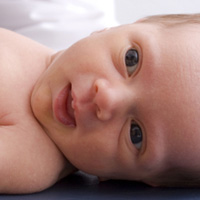
Gestational Eye Development Requires Light

baby and fetal eye developmentThe developing pre-natal eye requires light that passes through the body and into the womb, according to recent animal research. Mice that had no access to light during pregnancy gave birth to offspring whose eyes were not developed correctly. This indicated that small amounts of light are necessary, during gestation, to control eye blood vessel growth.

This research is considered to be a breakthrough, and scientists were surprised because until now, maternal exposure to light during pregnancy was not considered relevant to fetal development.
Continue reading “Gestational Eye Development Requires Light”

Preterm Births Can be Drastically Reduced by Optimizing Vitamin D Levels

New research study shows Mothers who took 4,000 IU’s (ten times the RDA of 400 IU) of vitamin D during pregnancy had their risk of premature birth reduced by half.

As preterm births are on the rise worldwide, there is powerful new evidence supporting the claim that sufficient vitamin D levels can reduce your risk of having a premature delivery. It can also help protect your newborn baby from other health problems.

In what is considered the first scientific trial that meets the most stringent criteria for “evidence-based inquiry,” US researchers Drs. Hollis and Wagner divulged their findings at a recent international vitamin D research conference in Brugge, Belgium.

Their findings included:

  • Mothers who took 4,000 IU’s (ten times the RDA of 400 IU) of vitamin D during pregnancy had their risk of premature birth reduced by half
  • Premature babies born to women taking high doses of vitamin D were reduced by half at both 32 and 37 weeks, and
  • There were also fewer babies who were born “small for dates”
  • Women taking high doses of vitamin D had a 25 per cent reduction in infections, particularly respiratory infections such as colds and flu as well as fewer infections of the vagina and the gums
  • The “core morbidities of pregnancy” were reduced by 30 per cent in the women who took the high-dose vitamin D (including diabetes, high blood pressure, and pre-eclampsia – a potentially deadly increase in blood pressure and
    fluid)
  • Babies getting the highest amounts of vitamin D after birth had fewer colds and less eczema

Reported by www.naturaleyecare.com