
 Parkinson’s disease is a multi-neurological disease. Currently, most Parkinson’s treatments focus on increasing dopamine production and reducing motor symptoms and tremors through medication. However, this disease has many causative or contributing factors that cause changes in healthy brain function. Many of these factors are also relevant for dementia, Alzheimer’s, Huntington’s, and Wilson’s diseases as well. Which factors impact brain functioning and the development of brain disease? Are there natural approaches to preventing and slowing the progress of such devastating diseases? This article offers a brief overview, based on the new book, Natural Parkinson’s Support: Your Guide to Preventing and Managing Parkinson’s. Continue reading “Natural Parkinson’s Disease Prevention and Support: Help for Neurological Diseases?”
Category: Glutathione
Can You Prevent or Reverse Cataracts?
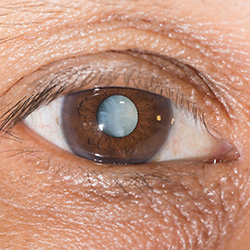 Is it possible to prevent cataracts, or even reverse cataracts? Can you put off cataracts surgery? Cataracts are one of the most common eye diseases in seniors. More and more people have a special “glint” in their eye when the light hits the lens just right. What is the value of preventing cataracts and other eye diseases? Continue reading “Can You Prevent or Reverse Cataracts?”
Antioxidants, Eye Disease and Oxidative Stress
 The links between antioxidants and vision health are strong. Antioxidants are the antidote to oxidization. Normal metabolism creates free radicals. These are atoms that lack an electron. Free radicals roam about the body, scavenging electrons and stealing electrons from healthy cells. This results in permanent damage to these afflicted cells which ultimately can result in disease. Significant research has shown that antioxidants protect against this cellular damage and are essential for maintaining health. The eye is especially vulnerable to free radical damage. Therefore, providing the body with sufficient antioxidants Continue reading “Antioxidants, Eye Disease and Oxidative Stress”
Can Oxidative Damage Cause Macular Degeneration and Cataracts?
 Antioxidants have been studied as a way of preventing eye diseases such as macular degeneration and cataracts. Oxidative damage (free radical damage) may be a contributing cause of these diseases. People concerned about developing these problems may consider taking both dietary and supplemental antioxidants, such as fruits, vegetables, and supplements like lutein, zeaxanthin, glutathione, Continue reading “Can Oxidative Damage Cause Macular Degeneration and Cataracts?”
MSM Fights More Than Inflammation
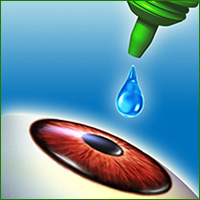 Methylsulfonylmethane, known as MSM, is commonly utilized in the form of MSM eyedrops or powder in vcaps to be taken as a supplement. It is well known for its anti-inflammatory capacity, documented by researchers. Scientists are documenting substantiating research and finding new uses.
Anti-Inflammation
MSM inhibits inflammasomes, which are protein formations that stimulate production of lymphocytes (white blood cells). It also inhibits the activity of ‘pro-cytokines’ which promote inflammation throughout the body, creating health-damaging fevers and causing tissue death and shock.1 This effect of MSM is useful in reducing the tissue swelling that damages the optic nerve, causes eye soreness of dry eyes and Sjogrens syndrome and other inflammatory-related conditions.
Iritis – Minor Irritation or Major Warning?
 Iritis is a common diagnosis that literally means “inflammation of the iris,” the colored part of the eye. Anterior uveitis is a more technical term for iritis. There are many possible causes, and sometimes the cause cannot be identified. Due to the complexity of the vision system, any suspected case of eye inflammation should be examined by an optometrist, ophthalmologist or medical doctor. Most of the time, iritis resolves in less than 6 weeks; however, iritis can reoccur. It can signal acute or chronic underlying disease in the body, and therefore should be cared for by a qualified healthcare professional. Without proper treatment, iritis can lead to cataracts, glaucoma, an irregularly sized and sluggish pupil, calcium deposits in the cornea, central serous choroidopathy, or retinal swelling (cystoid macular edema). Continue reading “Iritis – Minor Irritation or Major Warning?”