
 The brain and visual system rely on a significant portion of the nutrients you consume to maintain optimal health and function. Supporting the connections between the body, mind, and eyes is key to promoting healthy vision, preserving brain health, and reducing the risk of age-related eye and brain diseases. This includes macular degeneration, glaucoma, and cataracts, plus dementia and Parkinson’s Disease.
Many of these conditions stem from a lack of essential nutrients reaching the eyes and brain, leaving them deprived of what they need to thrive. Other factors, such as autoimmune diseases, cardiovascular issues, medications, chronic stress, a sedentary lifestyle, poor diet, inadequate sleep, and both genetic and epigenetic influences, can also play a role. Continue reading “9 Healthy Lifestyle Habits for the Eyes, Brain and Body”
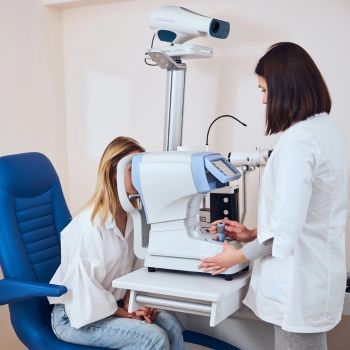 Retinal scans are proving to be an effective way to detect early signs of diseases like diabetes, multiple sclerosis, and dementia. They can sometimes detect disease before symptoms appear. The best news about retinal scans is that they are painless and non-invasive. You may have looked into machines that scan the retina at your optometrist or eye surgeon’s office. Why are retinal scans helpful for detecting diseases that are not, technically, eye diseases? How is the retina connected to the brain and brain health?
  Did you know that your daily habits affect your eyes and brain? As our population ages, more effort is needed to support seniors’ eyes, brains, and overall health. Research shows that a balanced diet, regular exercise, meaningful social interactions, and targeted supplements can have a significant impact. Remember, your retina and optic nerves are essentially brain tissue, meaning the nutrients that nourish your brain also bolster your vision. Read on to discover some of the latest research in this field.
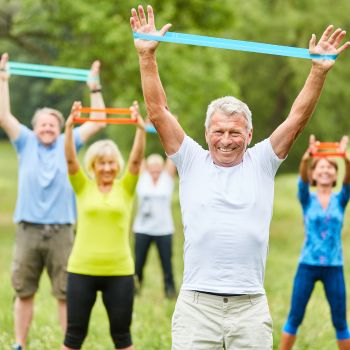 Physical exercise is vital for eye health and overall health. Research shows the positive impacts of exercise on common eye conditions. What is the intricate relationship between exercise and eye health? Can regular physical activity reduce the risk of age-related eye diseases? What role does nutrition play? And, can physical exercise help stave off neurological disease, heart disease, and other chronic illnesses associated with aging? At Natural Eye Care, we want to support you with knowledge and practical tips for getting the exercise you need.
  What is the relationship between brain health and eye health as we age? Our brains adapt and form new connections throughout our lives. Nutrition, lifestyle choices, and early detection play major roles in keeping the brain healthy, and the eyes. Find out about Natural Eye Care’s holistic approach to brain and eye health.
 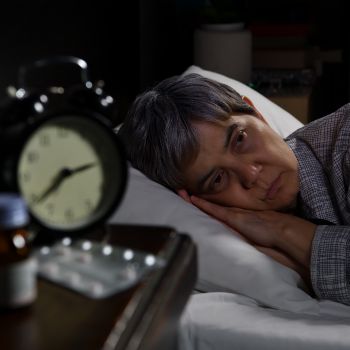 Getting enough sleep is crucial to your daily life and long-term health. However, many seniors struggle to get sufficient sleep. They also may have difficulty with the quality of sleep. What do the statistics show? How bad is sleep deprivation for your health? And what are some natural solutions?
 New research studies have found strong relationships between lifestyle and the aging brain. How can you help prevent or delay Alzheimer’s Disease and other forms of dementia? The eye’s retina is brain tissue. Not surprisingly, researchers have found connections between Alzheimer’s Disease, glaucoma, and lifestyle. What does the new research show? Are nutrition, supplements, exercise, and smoking avoidance shown to help?
 A sweet taste with zero calories sounds tempting, but what are the dangers of artificial sweeteners? What does the research on zero-calorie artificial sweeteners show? Too much sugar and high-fructose corn syrup can damage your health. Artificial sweeteners sound like an easy alternative. How can you tell the difference between artificial and natural low-calorie sweeteners? And, how can you get that sweet taste without risking your health?
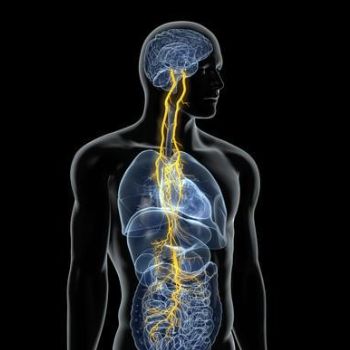 “Mind-body connection”? It is the link between our emotional/mental and physical selves. The link becomes evident as you learn about gut-brain access and the function of the vagus nerve.
 The relationship between health, longevity, emotions, and aging is of enormous interest these days. With the fast past of life, technological advances, and changes in how humans communicate, the pressure is on.