
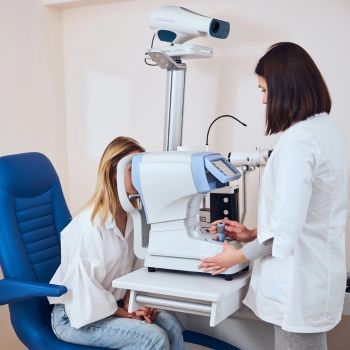
 Retinal scans are proving to be an effective way to detect early signs of diseases like diabetes, multiple sclerosis, and dementia. They can sometimes detect disease before symptoms appear. The best news about retinal scans is that they are painless and non-invasive. You may have looked into machines that scan the retina at your optometrist or eye surgeon’s office. Why are retinal scans helpful for detecting diseases that are not, technically, eye diseases? How is the retina connected to the brain and brain health? Continue reading “Retinal Scans Can Detect Diabetes, MS and Dementia Early”
Category: Alzheimers Disease
Eating Habits Can Impair Circulation, Increasing the Risk of Glaucoma, Retinal Vascular Occlusions, Dry Eyes, Macular Degeneration
 We might not connect our eating habits to eye disease, but poor nutrition impairs circulation. Reduced circulation can contribute to eye diseases, including cataracts, glaucoma, retinal vascular occlusions, ischemic optic neuropathy (ION), dry eyes, macular degeneration, and diabetic retinopathy. Instead of being a “victim” of eye diseases in your senior years, you can take charge of your health today!
At Natural Eye Care, we believe that the visual system uses approximately 25% of the nutrients we take into the body. Only the brain needs more. Therefore, a nutrient-rich diet helps keep your eyes healthy. Anything that impairs the free flow of blood, oxygen, and nutrients can significantly increase the risk of eye disease. Over time, you could experience vision loss, making you less independent in your senior years.
Corneal Health: Best Ways to Help Your Eyes
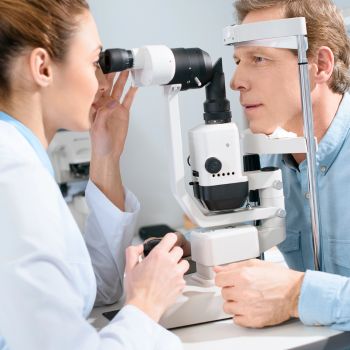 The cornea plays a crucial role in our vision. It is the transparent tissue at the front of the eyeball where light enters the eye. Approximately 65% to 75% of the refraction of light occurs in the cornea. The cornea also protects against external threats and harmful UV radiation. However, this vital part of our eye is constantly under siege. The cornea faces oxidative stress daily due to its high exposure to light and intense metabolic activity. The main culprit is ultraviolet radiation from the sun, which triggers the formation of Reactive Oxygen Species (ROS). These harmful free radicals can wreak havoc on the cells if not kept in check by antioxidants. While the cornea absorbs all UVC and most UVB rays, UVA rays are primarily absorbed by the lens.
Continue reading “Corneal Health: Best Ways to Help Your Eyes”
Edible Mushrooms: The Broad Range of Health Benefits
 Edible mushrooms have a long history as both food and medicine. What are its health benefits? How can you safely enjoy mushrooms in food and as a supplement?
Studies have shown both in vitro and mammal studies to have potential roles in the prevention of many age-associated neurological diseases including Alzheimer’s Disease.[1.Rahman MA, Abdullah N, Aminudin N. (2016). Interpretation of mushroom as a common therapeutic agent for Alzheimer’s disease and cardiovascular diseases. Crit Rev Biotechnol. Dec;36(6):1131-1142.] Popular medicinal mushrooms include lion’s mane (Hericium erinaceus), reishi (Ganoderma lucidum), Sarcodon scabrosus, Antrodia camphorata, Pleurotus giganteus, maitake (Grifola frondosa), and many more. For example, Reishi mushrooms help reduce inflammation.[2.Phan CW, David P, Naidu M, Wong KH, Sabaratnam V. (2015). Therapeutic potential of culinary-medicinal mushrooms for the management of neurodegenerative diseases: diversity, metabolite, and mechanism. Crit Rev Biotechnol. 2015;35(3):355-68.]
Continue reading “Edible Mushrooms: The Broad Range of Health Benefits”
Healthy Cells Mean a Healthy Body: Mitochondria Maintenance
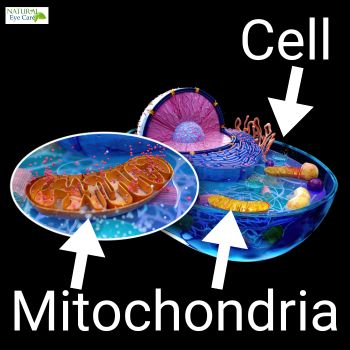 Keeping our cells healthy is key to staying well and helping to prevent disease. Your 30 trillion cells each contain mitochondria, the cell’s tiny “battery” and energy source. The main cause of death worldwide is non-communicable diseases such as heart disease, strokes, diabetes, cancer, chronic lung diseases, and brain diseases, including Alzheimer’s disease and dementia. Anything you do to keep your mitochondria healthy can mitigate these diseases, potentially extending life and increasing the quality of life. We have talked about how mitochondria work in some of our previous articles. In this article, we will discuss the origins of mitochondria, lifestyle considerations, and symptoms of mitochondria disease. Also, we include a long list of foods, supplements and nutrients that support mitochondrial functioning.
Continue reading “Healthy Cells Mean a Healthy Body: Mitochondria Maintenance”
Nutrients That Support the Eyes and Brain: Sage & Goji Berries
 Did you know that your daily habits affect your eyes and brain? As our population ages, more effort is needed to support seniors’ eyes, brains, and overall health. Research shows that a balanced diet, regular exercise, meaningful social interactions, and targeted supplements can have a significant impact. Remember, your retina and optic nerves are essentially brain tissue, meaning the nutrients that nourish your brain also bolster your vision. Read on to discover some of the latest research in this field.
Continue reading “Nutrients That Support the Eyes and Brain: Sage & Goji Berries”
Physical Exercise Reduces Eye Disease and Dementia
 Physical exercise is vital for eye health and overall health. Research shows the positive impacts of exercise on common eye conditions. What is the intricate relationship between exercise and eye health? Can regular physical activity reduce the risk of age-related eye diseases? What role does nutrition play? And, can physical exercise help stave off neurological disease, heart disease, and other chronic illnesses associated with aging? At Natural Eye Care, we want to support you with knowledge and practical tips for getting the exercise you need. Continue reading “Physical Exercise Reduces Eye Disease and Dementia”
How to Keep Your Brain Healthy–And Your Eyes!
 What is the relationship between brain health and eye health as we age? Our brains adapt and form new connections throughout our lives. Nutrition, lifestyle choices, and early detection play major roles in keeping the brain healthy, and the eyes. Find out about Natural Eye Care’s holistic approach to brain and eye health. Continue reading “How to Keep Your Brain Healthy–And Your Eyes!”
NMN (Nicotinamide Mononucleotide): The New Anti-Aging Nutrient?
 Is it possible that NMN – nicotinamide mononucleotide – is an anti-aging nutrient? This chemical occurs naturally in the body, but levels drop in seniors. Researchers are finding that taking NMN supplements appears to have benefits. How does NMN work? What does it do? And, could seniors slow down the aging process by taking it?
Continue reading “NMN (Nicotinamide Mononucleotide): The New Anti-Aging Nutrient?”
Heavy Metal Contamination in Chocolate – Mercury and Lead Harm the Brain
 Chocolate stands alone as both a tasty confection and a healthy food. However, a recent Consumer Reports study found that heavy metals contaminate many brands of chocolate. Cadmium and lead pose health risks, especially neurological health. This includes Alzheimer’s Disease and other forms of dementia. Why is chocolate—especially dark chocolate—considered to be healthy? Why is chocolate contaminated? And how can you find chocolate that is safest to eat? Continue reading “Heavy Metal Contamination in Chocolate – Mercury and Lead Harm the Brain”