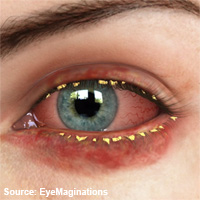
Inflamed Eye Lids: All About Blepharitis

blepharitis-200Blepharitis is inflammation of the eyelids, and for many this is a chronic condition. It is a common condition that affects both adults and children. There are two kinds of blepharitis – anterior (front) and posterior (back) blepharitis. Anterior blepharitis affects the front of the eye, including the eyelid and eyelashes. It is often associated with a bacterial growth and/or an increase in the activity of the meibomian gland. Posterior blepharitis causes dry eyes and is created by the dysfunction of the meibomian gland. So it generally isn’t caused by a bacterial infection.

In the eyes, the meibomian glands (also called the “tarsal glands”) are a type of Continue reading “Inflamed Eye Lids: All About Blepharitis”

Solutions for Dark Circles Under the Eyes and Puffy Eyes

Puffy eyes can usually be helped - no sunglasses neededDo you dread looking in the bathroom mirror when you first wake up? Scared of seeing baggy, puffy eyes or horrible dark circles under your eyes?

Well, flick on the bathroom light and gaze at your reflection! There are natural solutions to these eye problems. You don’t have to walk around looking like you stayed up all night or got into a fight.

The skin around your eyes is very thin and sensitive. This thin eye skin helps your eyes move easily. Unfortunately, this thin skin easily reveals color changes and swelling.

Instead of skulking around in dark glasses, look into natural eye care that can help with dark circles under the eyes and puffy eyes. Continue reading “Solutions for Dark Circles Under the Eyes and Puffy Eyes”

Inflammation of Eyelid Increasing in Frequency – About Blepharitis

blepharitis makes eyes sore
Blepharitis sufferers should not rub their eyes

Blepharitis is an inflammatory condition that affects lids of the eye. There are several types of blepharitis. Blepharitis can be caused by infections, allergies, irritations, insect bites, clogged oil glands in the eyelid, etc.

Symptoms vary, but can include swelling, itching, redness, blurry vision, irritation, scaling and crusty lashes. Blepharitis can occur alongside chalazions and styes. Only an eye doctor can accurately diagnose blepharitis, because its symptoms are similar to many other eye conditions.

The unfortunate fact about Blepharitis is that it is becoming increasingly common. Continue reading “Inflammation of Eyelid Increasing in Frequency – About Blepharitis”

Common Eye Complaints Can Indicate Other Diseases and Conditions

In my practice and at NaturalEyeCare.com we know that the eyes are the windows to the soul and windows that reveal the state of your overall health.

A new story over at Yahoo Health lists 14 different conditions that can be recognized by looking into your eyes.

The list includes Computer Vision Syndrome, also known as Computer Eyestrain. Red, burning eyes as well as blurred vision, dizziness, and trouble concentrating are all signs of eyestrain from excessive computer use.  Visit our pages on computer eyestrain for tips on how to prevent and treat it.

Blepharitis, or inflammation of the eyelids, also made this list because they say it can be linked to acne rosacea.  Inflammed eyelids can also be a sign of allergies and sensitivities to foods or the environment.  It can even be a reaction to certain prescription or over the counter drugs – see more on drugs that harm the eyes.

Dry eyes are the most common complaint brought to eye doctors.  They can be indicative of rheumatoid arthritis, diabetes (especially when the blood sugar is up), asthma, thyroid disease (lower lid does not move when blinking), lupus, and possibly glaucoma.  Dry Eye Syndrome itself can be treated with several natural remedies.

Connection between Glaucoma & Other Conditions

Glaucoma patients are more likely to suffer from and die from cardiovascular disease, diabetes, chronic obstructive pulmonary disease, asthma, Alzheimer’s disease, Parkinson’s disease, and accidents.

A study of over 300,000 people in Taiwan with and without glaucoma revealed that those with open-angle glaucoma were much more likely to be afflicted by comorbidities that adversely affect their quality of life.  Source: https://www.osnsupersite.com

Since we consider eye health to be a reflection of overall health, it makes sense that the health those with glaucoma would be compromised as well.  It’s not that eye disease is causing these other conditions; it may be that both glaucoma and the other conditions are just the outward signs that a person is unwell.