Eye Infections: A Guide to Keratitis, Pink Eye (Conjunctivitis) and More

eye infections - bacteriaEye infections are a result of invasion of any part of the eye by disease-causing microorganisms. These include certain pathogens that can invade the eyelid, the conjunctiva, the cornea and, in severe and serious cases, inner parts of the eye as well. Eye infections can affect one or both eyes. Although an eye infection can seem mild, it is important to get proper diagnosis and treatment to prevent potentially serious injury to the eye.

Types of Eye Infections

Pink Eye or Conjunctivitis – In the Western Continue reading “Eye Infections: A Guide to Keratitis, Pink Eye (Conjunctivitis) and More”

Computer Vision Syndrome: Electronics Take Their Toll on Eye Health

Computer eye syndromeDo your eyes spend more than 4 hours a day looking at the screen of an electronic device? If so, you are at risk for computer vision syndrome. Computer vision syndrome symptoms include eye strain, fatigue, dry eyes and headaches from staring at a screen too long.



Are You at Risk?

To find out if you are at risk, keep a journal for a week of how long you spend watching TV, gazing at a smartphone, surfing the Internet, working on the computer, playing video games, and reading on a tablet device. The typical American youth is getting 7.5 hours of “screen time” a day – and since many adults use computers at work, they may get much more time.

Continue reading “Computer Vision Syndrome: Electronics Take Their Toll on Eye Health”

Computer Vision Syndrome Impacts Quality of Life

Computer Eye Strain
image by Marinela

Research shows that Computer Vision Syndrome results in quantifiable physical symptoms and impacts quality of life.

In a study of 1000 university employees, it was found that people were negatively affected by their time at the computer, regardless of age and gender.  According to researchers at Ohio State University, ergonomics, hours at the computer, and exercise had a great deal to do with the degree to which individuals were bothered by computer eyestrain and other related symptoms such as back and neck pain.  Source: Optometry & Vision Science (August 2007 – Volume 84 – Issue 8.)

Learn how to prevent computer eyestrain with tips on computer set ups, exercises, and supplements at our website.

Computer Vision Syndrome: A Real Problem For 90% of Users

Computer vision syndromeComputer Vision Syndrome (CVS) is the hot topic today – at least it is at the US Government’s health news website www.healthfinder.gov.

Their article discusses whether or not computer eye strain is a serious condition.  At Natural Eye Care, we side with the American Optometric Association and believe that CVS is in fact a real problem for many people.

According to OSHA (Occupational Safety and Health Administration) computer vision syndrome shortened as CVS, is a variety of vision difficulties and eye problems that arise to due computer use, especially extended computer use, and especially with growing use of smartphones and mobile phones.  It is a type of repetitive strain disorder which growing rapidly worldwide.

Over a period of time, excessive computer use can have cumulative negative effects including the worsening of farsightedness, nearsightedness, astigmatism, eye-focusing disorders, and poor eye coordination. In addition, prolonged periods of sitting in the same position can cause neck and shoulder stiffness, as well as stress headaches, which can then cause jaw pain (referred to TMJ or temporomandibular joint).

Learn more about how to prevent computer eye strain.

If you are looking for suggestions on how to deal with the red, burning eyes, headaches, dizziness and other symptoms of computer vision syndrome, visit our website.

Common Eye Complaints Can Indicate Other Diseases and Conditions

In my practice and at NaturalEyeCare.com we know that the eyes are the windows to the soul and windows that reveal the state of your overall health.

A new story over at Yahoo Health lists 14 different conditions that can be recognized by looking into your eyes.

The list includes Computer Vision Syndrome, also known as Computer Eyestrain. Red, burning eyes as well as blurred vision, dizziness, and trouble concentrating are all signs of eyestrain from excessive computer use.  Visit our pages on computer eyestrain for tips on how to prevent and treat it.

Blepharitis, or inflammation of the eyelids, also made this list because they say it can be linked to acne rosacea.  Inflammed eyelids can also be a sign of allergies and sensitivities to foods or the environment.  It can even be a reaction to certain prescription or over the counter drugs – see more on drugs that harm the eyes.

Dry eyes are the most common complaint brought to eye doctors.  They can be indicative of rheumatoid arthritis, diabetes (especially when the blood sugar is up), asthma, thyroid disease (lower lid does not move when blinking), lupus, and possibly glaucoma.  Dry Eye Syndrome itself can be treated with several natural remedies.

Connection between Glaucoma & Other Conditions

Glaucoma patients are more likely to suffer from and die from cardiovascular disease, diabetes, chronic obstructive pulmonary disease, asthma, Alzheimer’s disease, Parkinson’s disease, and accidents.

A study of over 300,000 people in Taiwan with and without glaucoma revealed that those with open-angle glaucoma were much more likely to be afflicted by comorbidities that adversely affect their quality of life.  Source: https://www.osnsupersite.com

Since we consider eye health to be a reflection of overall health, it makes sense that the health those with glaucoma would be compromised as well.  It’s not that eye disease is causing these other conditions; it may be that both glaucoma and the other conditions are just the outward signs that a person is unwell.


Protect Your Eyes At Work: Computer Eye Strain

The Vision Council recently published Eye Safety At-a-Glance: Protecting Your Vision at Work.

Almost 2000 Americans suffer eye injuries in the course of each work day.  This study focuses on the importance of using safety eye wear and having emergency eyewash stations available.  Source: Medical News Today

One thing that the study does not mention is the importance of protecting your eyes not from projectiles or chemicals but from computer eye strain.

So many of us spend our days starting at computer screens and this activity can lead to eye fatigue, headaches, and even glaucoma.

Learn about how to prevent and treat computer eye strain, also known as computer vision syndrome, at our website.

Causes of Dry Eye: Make up, Hormones, Computer Use

dry eye syndrome
image by jovirakel

According to an article in Primary Care Optometry News dry eye symptoms can be caused by interactions of cosmetics.  Gregory S. Moore, OD pins the problem on the interaction of different product brands rather than the used of eye make-up in general.  He says “There’s the possibility that different brands of make-up are interacting and causing a problem.  The U.S. Food and Drug Administration only requires companies to test the brands against themselves, so you never know if what you’re using could be causing some type of chemical reaction.”  Source: https://www.pconsupersite.com

Other causes of dry eye can include hormonal changes (specifically in women) and computer eye strain.


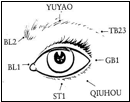
Improve Computer Eye Strain With Acupressure Self Massage

Computer eye strainAcupuncture and acupressure are ancient practices helps the energy flow smoothly through the body, enabling healing and stimulating vitality.

A simple acupressure massage can relieve computer eyestrain and the red eyes, difficulty focusing, and blurred vision that accompany it.

You can perform acupressure massage on yourself Continue reading “Improve Computer Eye Strain With Acupressure Self Massage”

Computer Eyestrain: Men Say It’s a Bigger Problem for Them

man looking at computer monitor
Image courtesy of bls.gov

The results are in from a online survey sponsored by the American Optometric Association.  It seems that men and women seem to see the world differently – at least when it comes to reporting computer eyestrain. Source: www.medicinenet.com

The numbers are relatively close.  Fifty-nine percent of men compared to 53% of women say that they have vision problems from spending too much time looking at a screen.  Over 50% of all respondents say that they take breaks every half hour or hour, but women are more likely to take a break every 20 minutes.

Less than 20% of people do take breaks every 20 minutes as we at Natural Eye Care recommend to prevent computer eyestrain.

Other tips to ward off computer eyestrain:

  • Frequently look at something more than 20 feet away.
  • Blink regularly to keep your eyes moist.

See more tips on preventing computer eyestrain and an important warning on the connection between computer time and glaucoma.

Dry Eyes At the Office?


eye frops
Image courtesy of nei.nih.gov

Dry Eye Syndrome is the most common eye complaint that we hear about from our patients and clients.

A study out of Denmark surveys the causes of eye discomfort in office settings.

According to the study authors: “Ocular discomfort,” characterized by burning, dry and itching eyes is associated with the presence of aerosols and combustion products and other sensory irritating indoor pollutants.  Other factors that contribute to dry eye include prolonged periods of detailed visual tasking.  The general climate in an office – if it has low humidity, high temperature, or is drafty – will also contribute to dry eye symptoms.

Source: https://www.ncbi.nlm.nih.gov/pubmed/20833234

Self help and prevention tips for dry eye are available at our website.

Computer eye strain is also a common problem when you spend the day at a desk.