Computer Vision Syndrome: A Real Problem For 90% of Users

Computer vision syndromeComputer Vision Syndrome (CVS) is the hot topic today – at least it is at the US Government’s health news website www.healthfinder.gov.

Their article discusses whether or not computer eye strain is a serious condition.  At Natural Eye Care, we side with the American Optometric Association and believe that CVS is in fact a real problem for many people.

According to OSHA (Occupational Safety and Health Administration) computer vision syndrome shortened as CVS, is a variety of vision difficulties and eye problems that arise to due computer use, especially extended computer use, and especially with growing use of smartphones and mobile phones.  It is a type of repetitive strain disorder which growing rapidly worldwide.

Over a period of time, excessive computer use can have cumulative negative effects including the worsening of farsightedness, nearsightedness, astigmatism, eye-focusing disorders, and poor eye coordination. In addition, prolonged periods of sitting in the same position can cause neck and shoulder stiffness, as well as stress headaches, which can then cause jaw pain (referred to TMJ or temporomandibular joint).

Learn more about how to prevent computer eye strain.

If you are looking for suggestions on how to deal with the red, burning eyes, headaches, dizziness and other symptoms of computer vision syndrome, visit our website.
Fireplaces and Wood Stoves Linked to Dry Eyes and Lung Problems

Do you have a fireplace or a wood stove that helps keep you cozy this winter?  A new study published in the journal Chemical Research in Toxicology describes how indoor air pollution caused by wood smoke have been linked to various lung problems.

Researchers describe how inhaling wood smoke particulate matter has been linked to heart disease, asthma, and bronchitis.  It is likely that the inhaled wood smoke is also carcinogenic.

Source: ScienceBlog.com

Indoor fires can also dry up the air, and dry air has been linked to dry eye syndrome. Be sure to run a humidifier in these dry winter months.  Learn more about how to prevent and treat dry eye symptoms.

Tips and Warnings If You Must Take Antibiotics

Antibiotics
image via blog.usa.gov

The discovery of antibiotics was a miracle of a kind, but the wonder drugs are not without their drawbacks.

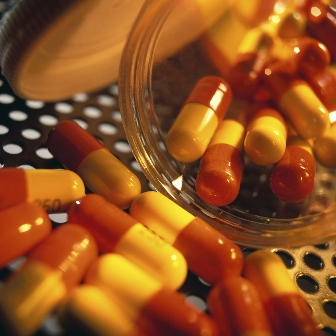
Antibiotics have been associated with dry eye syndrome, eye hemorrhaging, cataracts, and light sensitivity.  Learn more about how antibiotics and other drugs side effects can pose a risk to the health of your eyes.

If you really do need to take antibiotics, you should also think about your diet and how the foods you eat can affect the effectiveness of the drugs.  Remember that antibiotics can wipe out essential vitamins like B and K, so consider a supplement to give yourself a boost.  Don’t take antibiotics at the same time as iron and calcium rich foods because they inhibit the body’s ability to absorb the medication.  Cut back on acidic foods like citrus, chocolate, and tomato based products for the same reason.

Source: LefDailyNews

Remember to take a probiotic and eat plenty of yogurt (preferably goat yogurt) to keep your internal flora thriving through the course of antibiotic use.

Causes of Dry Eye: Make up, Hormones, Computer Use

dry eye syndrome
image by jovirakel

According to an article in Primary Care Optometry News dry eye symptoms can be caused by interactions of cosmetics.  Gregory S. Moore, OD pins the problem on the interaction of different product brands rather than the used of eye make-up in general.  He says “There’s the possibility that different brands of make-up are interacting and causing a problem.  The U.S. Food and Drug Administration only requires companies to test the brands against themselves, so you never know if what you’re using could be causing some type of chemical reaction.”  Source: https://www.pconsupersite.com

Other causes of dry eye can include hormonal changes (specifically in women) and computer eye strain.


Cancer Patients More Suceptible to Eye Conditions

After being diagnosed with cancer, and particularly after having undergone cancer treatments, it is especially important for patients to receive good eye care.

One lasting side effect if radiation can be dry eye syndrome.  It is particularly important that any lubricating eye drops that patients use are free of preservatives.

Other complications include radiation induced retinopathy.  Patients are particularly susceptible to this condition if they had chemotherapy at the same time as they were receiving radiation treatments.  Retinopathy caused by radiation looks much like diabetic retinopathy and is treated in the same way.

Source: Optometry Times

Dry Eye Syndrome Can Be Caused By Meibomian Gland Problems

Dry eye syndrome, marked by feelings of grittiness, irritation, and burning as well as difficulty reading for long periods of time, and, even though it seems quite contradictory, excessive tearing or watering of the eyes, is a potentially debilitating condition that requires treatment.

Some eye doctors blame dry eye on problems with the meibomian gland, one of the sources of tear film.  An article in Optometry Times discusses ways to clear blockages of the meibomian gland including the potentially painful squeezing of the gland (by a medical professional) or the less aggressive (though also potentially less effective) application of warm compresses to melt the obstruction.


Dry Eyes Can Be Relieved With Evening Primrose Oil

Dry eye syndrome can be a difficult condition to cope with, especially if you are a contact lens wearer.

Many patients found that the eye drops that can be purchased at the pharmacy don’t work, and can even be hazardous to use – eye drops that contain preservatives can aggravate dry eye symptoms, and even kill corneal cells. Eye drops that promise to “get the red out” will reduce circulation in the eye, decrease production of the tear film, and worse, eventually make your eyes even drier.

A study published in Contact Lens and Anterior Eye showed that the omega-6 fatty acids in evening primrose oil can help reduce dry eye symptoms in female contact lens wearers.  After six months, the women in the trial who were administered evening primrose oil reported less eye dryness than those who received the placebo (olive oil).

In an earlier  pilot study, patients suffering from dry eye symptoms who exhibited a chronic need/use of lubricant drops were given X500 mg capsules of evening Primrose oil (Efamol-73% linoleic acid and 10% gamma-linolenic acid), 50 mg vitamin B6 (pyroxidine) and 1 g vitamin C three times a day. Over 50% of those in the study showed substantial improvement within 2-6 weeks.

Read more on dry eyes.

Dry Eyes At the Office?


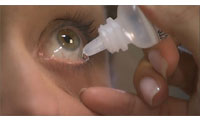
eye frops
Image courtesy of nei.nih.gov

Dry Eye Syndrome is the most common eye complaint that we hear about from our patients and clients.

A study out of Denmark surveys the causes of eye discomfort in office settings.

According to the study authors: “Ocular discomfort,” characterized by burning, dry and itching eyes is associated with the presence of aerosols and combustion products and other sensory irritating indoor pollutants.  Other factors that contribute to dry eye include prolonged periods of detailed visual tasking.  The general climate in an office – if it has low humidity, high temperature, or is drafty – will also contribute to dry eye symptoms.

Source: https://www.ncbi.nlm.nih.gov/pubmed/20833234

Self help and prevention tips for dry eye are available at our website.

Computer eye strain is also a common problem when you spend the day at a desk.

Dry Eye Associated with Oil Gland Dysfunction, Cataracts Surgery, Glaucoma

Researchers are examining dry eye syndrome‘s relationship to meibomian gland dysfunction and other eye conditions.

According to The Cornea & Contact Lens Society of New Zealand, “meibomian glands are the oil-producing glands located in both the upper and lower eyelids… This oil helps to stop the water in the tears from evaporating, thus helping to prevent dry eyes.”  Dry eye symptoms can result when this stabilizing oil does not reach the tear film.

Spanish scientists publishing in Cornea found that nearly 50% of subjects with dry eye also had meibomian gland dysfunction.

In this study, it was also concluded that “Pterygium*, trauma, cataract surgery, pseudoexfoliation, and glaucoma are associated with signs of dry eye.”

Source: https://www.ncbi.nlm.nih.gov

*If someone has a raised, cream colored growth in the white of his or her eye, then it might be what is called a pterygium.  These non-cancerous growths generally grow in the nasal side of the white of the eye. Caused by extended time spent in hot, windy environments, people who live on the equator are 10 times more likely to develop this problem than those living in the United States.

Though not dangerous, a pterygium can eventually distort vision because it can grow onto the cornea, and eventually even onto the central part of the eye which can block entering light. If removed surgically, there is a 40% chance that the problem will recur and the growth will return to be even larger and more aggressive.

LASIK Surgery Worsens Dry Eye Symptoms

If you have dry eye symptoms before undergoing LASIK surgery, the problem is very likely to persist, if not worsen, after laser eye surgery.  According to an article published in The Archives of OphthalmologyTear function and dry eye symptoms improve within several postoperative months in most cases; however, some patients still have dry eye 1 year after undergoing LASIK.  Although the mechanisms for post-LASIK dry eye are unclear, more severe post-LASIK dry eye may develop in patients with preoperative dry eye for longer periods compared with subjects without preoperative dry eye.” (Source: https://www.scienceblog.com/community/older/2002/E/20023091.html)

LASIK surgery temporarily disrupts the ocular surface/lacrimal gland unit. Also, during LASIK, roughly 60-70% of the superficial nerve fibers in the cornea are severed, which impacts sensation and affects acqueous tears. With compromised sensation, the blink rate can slow to the point where the tear film breaks up before the next blink can reconstitute. This may result in mild to severe dry eye syndrome for many months after surgery. This condition usually eventually clears up.

For more on dry eye causes and treatments, visit our website.