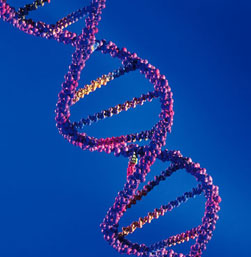
Genes NOT the Cause of Many Diseases

double helix
image via cdc.gov

A new study published by The Bioscience Resource Project offers further support to something that we have long shared with our patients and clients: genes are not necessarily the cause of common diseases.

Researchers from around the world came to a similar conclusion: though there are genetic factors that make people susceptible to many diseases, very few are strong enough to be of any importance.  These findings could have an effect on how we look at the development of  heart disease, stroke, cancers, diabetes,  autism, ADHD, dementia,  schizophrenia, and depression.

Study authors are explaining their results in a way that will be very familiar to those who know how we approach health at Natural Eye Care.  Factors like diet and nutrition, lifestyle habits, and stress management all play key factors in the development of disease. Source: lef.org

Learn more about preventing diseases of the eyes and body at our website.

Meditation As Effective As Drugs For Treating Depression

depression
image via womenshealth.gov

A daily meditation practice can be just as effective as taking prescription drugs if you want to prevent a relapse of depression.

A study out of the Centre for Addiction and Mental Health in Canada found that patients who attended mindfulness training and were taught to productively reflect on their feelings were able to avoid taking mediation.  After a year and a half only 38% in the study group had suffered a relapse of depression compared to 46% who took medication.  Source: Livescience.com

Antidepressant medication’s side effects can have negative effects on the eyes.  Click here to learn about how medications can damage the eyes.

Daily meditation is part of the wellness practices that we recommend as part of our Vision Wellness Protocol.

New Treatment for Depression: Electromagnet Therapy

depression
image by Lucretious

Individuals with depression who  cannot tolerate or did not respond to antidepressant medications may find relief with the help of a non-invasive treatment called repetitive transcranial magnetic stimulation (rTMS).  The brains of study participants were stimulated with a pulsing electromagnet in order to “jump-start underactive mood-regulating circuitry.”

This National Institutes of Health funded study subjected treatment-resistant depression patients to either active or simulated brain stimulation.  Fourteen percent of those receiving the actual therapy achieved a remission of symptoms compared to only 5% who received a sham treatment.

“For treatment resistant-patients, we found that rTMS is at least as good as current medications or anything else we have available, except ECT [electroconvulsive therapy, an invasive procedure with considerable side effects],” said researcher Mark George, PhD. “Our current antidepressants do not work for many people.”  According to study authors, rTMS treatment does not trigger any seizures or notable side effects.

Source: NIH