Diabetics Know Lifestyle Changes Improve Health, But Behaviors Are Hard to Change

Diabetes & Lifestyle changes
Image via cancer.gov

Changes in lifestyle are usually the most important way that individuals with diabetes can control their conditions.  Most people seem to know this, but a new survey shows that many diabetics do not follow that advice.

A study called SHIELD (The Study to Help Improve Early Evaluation and Management of Risk Factors Leading to Diabetes), which was presented at the annual meeting of the American Diabetes Association, surveyed nearly 4,000 people with type 2 diabetes.  In response to questions about the link between diabetes and obesity, 87% said they knew excessive weight contributed the disease, but only 70% of respondents reported trying to lose weight in the preceding year.  Only a third of those surveyed had managed to maintain their target weight for longer than six months.  Almost one-fifth of those studied (17%) said they preferred to take medication to control their conditions rather than try diet and exercise.

Source: WebMD

At Natural Eye Care, we recommend that those with diabetes and the related condition diabetic retinopathy manage their condition with proper lifestyle habits, dietary changes, nutritional supplementation, and exercise.  We also recommend this approach to people with a host of other eye conditions including macular degeneration and glaucoma.  When there is something wrong with your eyes, it is so rarely just about the eyes themselves – so often the eyes are indicating that there is an issue affecting the rest of the body as well. For example, glaucoma has been linked to cardiovascular deaths and Alzheimer’s disease.


Artichokes, Pecans, and Blueberries All Protect Against Macular Degeneration

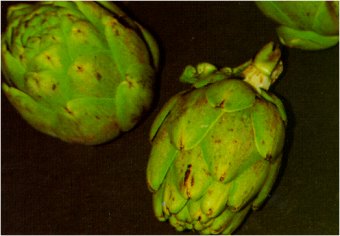
artichoke
Image via USDA

Can artichokes, blueberries and pecans save your sight?

A study out of Brigham Young University and Weill Medical College of Cornell University showed that the antioxidants found in these common foods can impede the onset of age-related blindness.  Antioxidants disrupt the link between two processes within the retina that cause macular degeneration.

Learn more about this study, as published in the Journal of Biological Chemistry and other studies related to macular degeneration at our website.

Pecans

Research published in the Journal of Nutrition shows that pecans are a good source of antioxidants.  Better yet, the study shows that the human body is capable of absorbing the antioxidizing compounds by eating the nut itself.

Source: www.lef.org

Learn more about how particular foods can help you beat eye disease.

Failing Eyesight Linked to Increased Fall Risk In Seniors

Failing eyesight is a key factor in increased fall risk in older adults.

A study out of the UK shows that 270,000 individuals over age 60 who have fallen in the last two years can blame poor vision.  This research also shows that many older adults in the UK do not take advantage of the free vision tests to which they are entitled.

An organization called Age UK is hoping to raise awareness about the need for regular vision exams and about the correlation between accidents and eye conditions that hinder sight.  Source: Medical News Today

Prevention is the best medicine when it comes to warding off potentially blinding conditions like glaucoma and macular degeneration.  Learn more about our Vision Wellness Protocol.

Omega-3s May Alleviate Alcoholism, Psychiatric Disorders, and Eye Diseases

researchers
Image via USDA

Omega-3 fatty acids are known to help the heart and they have also been found to help defend against eye diseases like macular degeneration.


A study by researchers at the Indiana University School of Medicine shows that omega-3 fatty acids could also help people struggling with alcohol addiction or psychiatric disorders.  According to scientists, the DHA in the fatty acid was responsible for “normalizing behavior” in mice.  When taking DHA, mice were less likely to become depressed or manic when placed under stress.  Unexpectedly, the mice also lost their taste for alcohol when consuming DHA supplements.

We believe a diet rich in omega 3 fatty acids may help the treatment and prevention of bipolar disorder, and may help with alcoholism as well,” says Alexander B. Niculescu, M.D., Ph.D.  Source: Science Daily, May 27, 2001


Driving Skills Decline With Age According To a New Study

senior citizen driving
Image via de.gov

A new study finds that driving skills decline with age, even if they have previously clean driving records and showed no signs of dementia. Drivers over age 70 were much more likely to forget to check blind spots and use their turn signals and make other errors associated with increased crash risks.  Motor vehicle operators between the ages of 85 and 89 were four times more likely to make critical errors than those between 70 and 74 years of age.


An Australian study appearing in Neuropsychology finds that decreased driving performance  is a normal sign of aging.  Researchers suggest that older drivers should undergo “additional training in related cognitive skills.”

The study does have some limitations.  For example, researchers did not study vision and visual skills. Eye diseases like macular degeneration are associated with aging and are a chief reason why the elderly are advised by the doctors to stop driving.

Source: HealthFinder

Nanotechnology Could Bring Sight Back to Macular Degeneration Patients

person using microscopeFlowers could help people who have lost their vision to conditions like macular degeneration to see again.
A researcher named Richard Taylor out of the University of Oregon is experimenting with the cultivation of nanoflowers which grow from nano-sized particles of metal that will assemble themselves in a natural process called diffusion limited aggregation.  These particles will form fractals that can be implanted into the eye and actually communicate with the neurons in the eye and essentially repair the body’s damaged circuitry.

According to an article published in Physics World, Taylor is capitalizing on the remarkable similarities he finds between the eye and a digital camera.

Source: Medical News Today

Caffeine in Coffee May Offer Antioxidant Benefits

The antioxidants found in beverages and foods that contain caffeine seem to protect people against the development of Alzheimer’s disease and heart disease.

In a study published in The Journal of Physical Chemistry B researchers describe how coffee can be on the greatest sources of antioxidants in the modern diet.  Scientists do not know exactly how coffee helps to fight the free radicals that can be destructive to eye health and overall health.  At this point, they are speculating that caffeine is the agent responsible for coffee antioxidant properties.

These findings are actually in direct opposition to our usual recommendations for people who suffer from eye conditions related to the presence of free radicals including macular degeneration and glaucoma.  More research is necessary to determine whether the benefits of caffeine outweigh its negative effects.

Source: sciencedaily.com

But, Too Much Coffee …

Five or more cups of coffee per day may cause an individual to hallucinate.

A study out of Australia’s La Trobe University looked at the roles that caffeine and stress play on instances of auditory hallucinations.  Participants who were under stress and under the effect of high levels of caffeine listened to white noise and were asked to indicate when they heard Bing Crosby sing “White Christmas.”  Those reporting highest stress and caffeine levels were much more likely to report hearing the song (which was never played) than were those with low stress and caffeine levels.

‘It is apparent that the health risks of excessive caffeine use must be addressed and caution should be raised with regards to the exacerbating use of this stimulant,’ says Professor Simon Crowe.

We caution clients and patients against consuming coffee and other sources of caffeine if they are concerned about eye conditions including diabetic retinopathy, glaucoma, and dry eyes.

Lutein and Zeaxanthin Support Healthy Eyes and Fight Macular Degeneration

Macular xanthophylls | Lutein & Zeaxanthin | Zeaxanthin  Lutein Absorption | Role of Antioxidants

Macular xanthophylls

Macular xanthophylls, perhaps better known as lutein and zeaxanthin, are well known for their role as protectors against age related macular degeneration (AMD). Research at the University of Georgia is also finding that lutein and zeaxanthin supplementation can help people with healthy vision. Taking dietary supplements high in lutein and zeaxanthin will boost one’s  ability to deal with glare and helps people recover more quickly from blinding flash of light. One more reason to boost your intake of these great little compounds? They have been linked to improved cognitive health in older adults.
Source: Oral supplementation with lutein and zeaxanthin with coantioxidants may improve vision at 36 months for those at high risk for progression to late age-related macular degeneration (AMD).

Lutein, Zeaxanthin, C, E & Zinc

This study examined the results of increasing blood levels of lutein and zeaxanthin by supplementing with  lutein and zeaxanthin in addition to vitamins C and E and zinc for visual acuity for 433 AMD patients in the UK with early and late stage macular degeneration. The patients’ results were assessed  12, 18, 24, 30, and 36 months later.  While there was no statistically significant difference was seen in best corrected distance visual acuity (BC DVA) at 12 months, such significance was seen after 36 months. The conclusion of this study (Carotenoids and Co-Antioxidants in Age-Related Maculopathy) was that supplementing with lutein and zeaxanthin  has a better effect  in patients with early AMD.  The researchers also found that higher levels lutein blood levels show a slower progression from early AMD to late AMD.

Lutein & Zeaxanthin from Food Sources

In patients with the highest levels of consumption of lutein and zeaxanthin from leafy greens, eggs, red and yellow peppers, the risk of Macular Degeneration (AMD) was 35% of the risk in people who did not eat abundant leafy greens.  Zinc was also protective.

Source:  J.S. Tan, et al. in Opthalmology, February 2008.

Lutein & Zeaxanthin in Diet

Another study in Australia studied the dietary and supplement intakes of antioxidants and the long-term risk of incident age-related macular degeneration. The results of the study showed those with higher levels of dietary lutein and zeaxanthin in their diets had a reduced risk of macular degeneration.

Source: Centre for Vision Research, University of Sydney, Australia, 2008

Lutein Absorption Enhanced by Vitamin C

Yet another study has determined that the valuable benefits of lutein are enhanced by supplementation of vitamin C in fighting macular degeneration. In order to consume the levels of lutein discussed in the above studies which are recommended for good eye health supplementation is often helpful.  Results from a study published in the Journal of the American Dietetic Association suggest that it may be beneficial to take supplements of lutein along with vitamin C. Researchers from the University of Wisconsin gave young healthy men and women supplements of lutein alone, or supplements of lutein combined with vitamins C or E.  It was noted that absorption of lutein varied greatly among individuals, regardless of whether they had taken lutein alone or with vitamins C or E.  However, it was determined that lutein was absorbed significantly faster when given simultaneously with vitamin C. Learn about lutein and vitamin C supplements, as well as food sources for nutrients essential to good eye health.

Source:  “Lutein absorption is facilitated with co-supplementation of ascorbic acid in young adults”, Tanumihardjo, et al, J Am Dietetic Assoc 105:114-18, 2005.

Zeaxanthin

Another study shows that supplementing with zeaxanthin can raises macula pigment optical density (MP) and has unique visual benefits for patients with atrophic early AMD having visual symptoms. Zeaxanthin can be found in dark, leafy greens (like turnip greens, collard greens, kale, spinach and romaine lettuce). Orange peppers are the highest source of zeaxanthin.

The Zeaxanthin and Visual Function Study in Atrophic Age Related Macular Degeneration (ZVF-FDA IND #78,973) – MP and Foveal Shape Discrimination: S.P. Richer1, W. Stiles1, M. Lavin, K. Graham1, C. Thomas1, D. Park3. J. Nyland1, J Wrobel

Why Antioxidants Fight Macular Degeneration

A study from Cornell and Brigham Young Universities shows why eating a diet rich in antioxidants can help hold off macular degeneration’s damage to central vision. Researchers determined that two processes in the retina, combined, contribute to a higher risk of developing macular degeneration. They found that a compound labeled A2E accumulates and damages the mitochondria of cells – the part of the cell which converts nutrients to energy.  A2E is a byproduct of cell activity which is not naturally broken down or removed through the body’s natural elimination processes. The combination of accumulated A2E and free radicals which have accumulated due to exposure to sunlight the work of mitochondria is disrupted.   This means that the cell has less energy available for the normal processes of removing toxins, maintaining health of retina, macula, photoreceptor and other cells of the eye.  This in turn results in even greater A2E accumulation. The role of antioxidants is that they disrupt the destructive cycle and support  the health of, and consequently, the lifetime of cells in the eye which cannot be replaced. “The implication is that people at risk of macular degeneration could help prevent the disease by consuming antioxidants,” said BYU chemist Heidi Vollmer-Snarr. Researchers: Brigham Young University and Weill Medical College of Cornell University Published: Journal of Biological Chemistry, September, 2008

Macular xanthophylls | Lutein & Zeaxanthin |  Lutein Absorption | Role of Antioxidants  

Other sources:

Women’s Health Study. Archives of Ophthalmology (Arch. Ophthalmol. 2008;126:102-9)

Moeller SM et al. Age-Related Macular Degeneration and Lutein and Zeaxanthin in the Carotenoids in Age-Related Eye Disease Study (CAREDS). Archives of Ophthalmology 124:1151-1162, 2006.

Lutein & Glare

A new study indicates that the carotenoids lutein and zeaxanthin may help improve vision under glare conditions such as bright sunlight or the beams of car headlights.

Scientists at the Vision Science Laboratory at the University of Georgia recently studied the relationship of lutein and zeaxanthin on macular pigment (MP), glare disability, and photostress recovery.

The macula helps filter damaging light rays. When the concentration of lutein and zeaxanthin in the macula is higher, the higher density of macular pigment enables the macula to absorb the light rays more efficiently.

Researchers studied forty healthy subjects (average age of 23.9) for six months, giving assessments at baseline, 1, 2, 4, and 6 months. Subjects were given 12mg daily of lutein and zeaxanthin supplements.

After 6 months, the lutein and zeaxanthin supplementation was shown to significantly reduce the negative effects of glare for both the visual performance tasks assessed for most of the subjects.

SOURCE: “Macular pigment and visual performance under glare conditions”, Stringham and Hammond, Optom Vis Sci., 2008 Feb;85(2):82-8

Vitamin D Linked to Lower Macular Degeneration Risk

Women under 75Annual Survey | Vitamin D3 D Sources

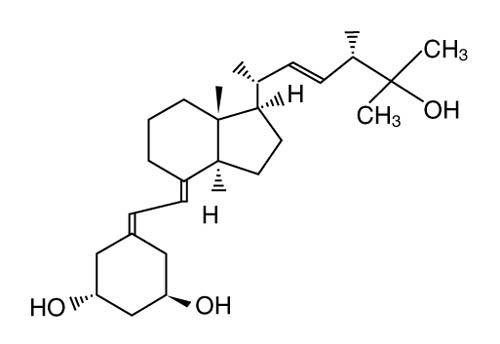
molecular structure
Image via dailymed.nlm.nih.gov

Vitamin D – and the fact that so many people are deficient in this vital compound – has been in the news a lot lately.  A lack of vitamin D has been linked to asthma in children, the development of cancers, cognitive impairment, and increased risk of cardiovascular diseases.

Vitamin D impacts the health of the eyes as well.
A number of  studies show that low vitamin D3 levels correspond to an increase in the incidence of age related macular degeneration.

Editor’s Note: Vitamin D3 is one of the super nutrients that should be part of everyone’s diet, and should be added as a supplement particularly for people who do not get much exposure daily to the sun.  Vitamin D3 has also been tied to helping prevent cancer, improve immune function and bone health, regulate insulin and blood pressure, and more. (Researchers: Parekh N, et al.)

Women Under 75 & Vitamin D

A new study published in The Archives of Ophthalmology finds that women under age 75 can reduce their risk of developing age-related macular degeneration (AMD) by increasing their intake of vitamin D.  A study of over 1300 women found that eating foods rich in vitamin D and taking dietary supplements, but not necessarily time spent in direct sunlight (often considered the best way to get vitamin D), was linked to decreased chances of AMD.  Compared to those who consumed the least vitamin D, those who consumed the most vitamin D were 59% less likely to show signs of AMD.

Those consuming the highest amount (on average about 600 IU) daily had a 59% lower risk of AMD compared to those getting the least amount of 300 IU on average.

Ref: Millen AE, et al. Vitamin D status and early age-related macular degeneration in postmenopausal women. Arch Ophthalmol 129:481-89, 2011.

Note: Research shows that the destructive effects of inflammation on the retina’s blood supply (choroid) and the pigment-containing cells of the retina may play a major role in the development of macular degeneration. Vitamin D may help due to its natural anti-inflammatory properties, as well as strong antioxidant benefits.

Another study  shows that high doses of vitamin D may help women under age 75 fight off macular degeneration (AMD).

Because of its abilities to fight inflammation and support immune health, vitamin D may help suppress the cascade of destructive inflammation  that happens during the early stages of AMD.

Women between age 50 and 79 in the Carotenoids in Age-Related Eye Disease Study were evaluated to determine protective effects of vitamin D intake in the forms of food, nutritional supplements, and sunlight.  Taking vitamin D in supplement form proved to be more helpful in preventing the onset of macular degeneration than exposure to sunlight.  Source: OSN Supersite

This study substantiates two earlier studies:

Annual National Survey

Researchers using data from the Third National Health and Nutrition Examination Survey (1988 through 1994) have found evidence that consuming vitamin D may help ward off age-related macular degeneration (AMD).

In this study, 7752 individuals (including 11% with AMD) were given retinal photographs, dietary intake questionnaires, and blood tests to calculate blood vitamin D (25-hydroxyvitamin D) levels.  Based on these vitamin D blood levels, participants were divided into 5 groups.   Participants in the group with the highest vitamin D levels showed 40% lower risk of developing early AMD than those in the lowest group.

Analysis was also conducted to evaluate associations with important food and supplemental sources of vitamin D.

  • People who drank milk daily decreased their risk of developing AMD, as did those who took supplemental vitamin D consistently but didn’t drink milk daily.
  • Fish consumption was also linked with a lower risk of advanced AMD.

Vitamin D3 Levels

A 2007 study showed the low levels of Vitamin D3 is linked to an increase in the prevalence of macular degeneration.

Source: Parekh N, Chappell RJ, Millen AE, Albert DM, Mares JA. Association Between Vitamin D and Age-Related Macular Degeneration in the Third National Health and Nutrition Examination Survey, 1988 Through 1994. Arch Ophthalmol. May 2007;125: 661-669.

Vitamin D Sources

What are good sources of vitamin D?  Consider fish — it’s naturally rich in vitamin D.  Milk and breakfast cereals are generally fortified with vitamin D as well.  If you are taking supplemental D, vitamin D3 is the most readily absorbable form of D.

Fight Macular Degeneration By Eating Fish, Eggs, Walnuts, Omega-3

Add: Eggs | Walnuts  | Omega-3 | Fatty Fish | Other Nutrients
Limit: Refined Carbohydrates | Red Meat

Introduction

The pigments in the macula of the eye are predominantly composed of three carotenoids: lutein, zeaxanthin, and meso-zeaxanthin.

Researchers report that these pigments, called  xanthophylls, act as both filters and antioxidants and how they protect the eye from the onset of macular degeneration. Evidence suggests that increased levels of macular pigment are related to a decreased risk of age-related macular degeneration. Previous studies reveal that oral supplementation with lutein and zeaxanthin can increase the levels of macular pigments in the retina and plasma.

Eggs

Macular xanthophylls, described above, are made of the same compounds that cause egg yolks to be yellow too.  Eating eggs (preferably organic from free-range chickens) can actually help decrease your chances of developing the potentially blinding macular degeneration.

An egg a day can protect people over age 60 from developing macular degeneration.  A study published in the Journal of Nutrition the levels of powerful antioxidants lutein and zeaxanthin in participants’ blood increased between 26 and 38% if they ate one egg per day.

The single egg did not contribute to participants’ cholesterol levels.

Walnuts

A new study examined how walnuts can increase the plasma antioxidant capacity of healthy adults.  Study authors did not find any measurable increases, but they believe that further study is warranted.

They did find that levels of important compounds, the fatty acid linoleic acid and pyridoxal phosphate (vitamin B6), did increase over the course of the 19 week study, and these nutrients have been helpful in preventing eye disease.

Source: Nutrition Journal

Omega-3 Fatty Acids

A meta analysis study about the relationship between omega-3 fatty acids, consumption of fish  and their effect on the age-related macular degeneration risk identified 274 abstracts, and 9 other studies.

Researchers quantitatively determined that  high consumption of  omega-3 fatty acids in the diet was connected with  38% lower  risk of advanced macular degeneration. Consumption of fish at least 2 times a week was tied to lower risk of both early and late AMD.

Source: Archives of Ophthalmology. 2008;126(6):826-833.

A later study of over 38,000 women over a 10 year period (from dietary questionnaires) supports this finding: that consumption of omega-3 fatty acids decreases the likelihood of developing macular degeneration: that the regular intake of omega-3 fatty acids DHA and EPA, which are most commonly found in fish, can help reduce macular degeneration risk by up to 45%.

Published: Archives of Ophthalmology, 2009

Fatty Fish

Still another study has determined that eating fatty fish more than once a month is connected to 60 percent lower risk of developing AMD.

A key finding in this study was the positive effect of fatty fish consumption (white fish intake was not significantly associated with AMD). Fatty fish included in this study were both fatty “blue” fish (fresh tuna, canned tuna without oil, mackerel, sardine, salmon) and fatty fish canned in oil (tuna, sardine, anchovy).

This population-based study from southern France reviewed nutritional data from a dietician-administered food-frequency questionnaire to assess the associations of dietary fat with the risk of AMD. AMD was classified from retinal photographs using the international classification and included neovascular age-related macular degeneration, geographic atrophy, soft indistinct drusen, and soft distinct drusen associated with pigmentary abnormalities.

Results of dietary fat analysis showed that high total, saturated, and monounsaturated fat intake were linked to increased risk for AMD, while total polyunsaturated fatty acid was not significantly associated with AMD. Review of fish intake showed that total and white fish intake was not significantly associated with AMD, but intake of fatty fish more than once a month was associated with a 60% reduction in AMD.

Source: Dietary fat and the risk of age-related maculopathy: the POLANUT Study.

Eur J Clin Nutr. 2007 Feb 14; Inserm, Research Unit U593 for Epidemiology, Public Health and Development, Bordeaux, France, Universite Victor Segalen Bordeaux 2, Bordeaux, France.

Fish in US Government Diet Guidelines

The  US government’s Dietary Guidelines have put a lot more fish on the recommended table.

They recommend that we eat 8 ounces a week (2 4-ounce servings).  Women who are pregnant or breast-feeding should have 12 ounces.

The real benefit of increasing our fish and shellfish intake is in the omega-3 fatty acids that are abundant in seafood.  As research has shown, omega-3’s are key to helping us fight the potentially blinding disease macular degeneration.

Mercury in larger fish is a concern, especially for women in their child-bearing years.  It is recommended that women who are pregnant or may become pregnant steer clear of tilefish, shark, swordfish and king mackerel (also known as golden bass).  Different sources vary on the safety of tuna; some sources say it is safe to eat a maximum of 6 ounces of canned tuna per week.

Carotenoids

Even more important are the carotenoids lutein and zeaxanthin, which are primarily obtained from dark green leafy vegetables. Research shows that risk of AMD was significantly lower in those who increased the carotenoids in their diet – up to 43%. So, eat your spinach and your kale and your collards and consider supplementing your diet further to really protect yourself from macular degeneration.

Taurine

Research shows that the amino acid taurine has the ability to prevent, treat and stabilize retinal changes in some cases. Eggs and fish are good sources of taurine, but you can also take it in supplement form.

An important note: taurine should be taken on an empty stomach.

Antioxidants and Omega-3

Antioxidant and omega-3 supplements continue to be a simple, low-cost, effective therapy for AMD.

A study designed to measure changes in visual function in subjects with atrophic (dry) age-related macular degeneration (AMD) found that three-quarters of the subjects receiving a nutritional supplement demonstrated stabilization or improvement of visual acuity at 6 months.

Many research studies have indication that nutrition can play an important role in slowing the onset or limiting the AMD effects.  The Taurine, Omega-3 Fatty Acids, Zinc, Antioxidant, Lutein (TOZAL) study tried to identify the possible benefits of a supplement formulated to limit AMD risk.

Researchers in this clinical study evaluated the vision of 37 patients average age 76 years,  and gave them a nutritional supplement specifically designed to combat AMD.   The product included natural beta-carotene, vitamins A and E, zinc, and copper.   Results were compared to subjects in other tests who had received placebos. 76.7% of subjects receiving the nutritional supplement demonstrated stabilization or improvement of visual acuity at 6 months.  This was a very small study not using its own controls, but some correlation is still suggested.

SOURCE:  TOZAL Study: An open case control study of an oral antioxidant and omega-3 supplement for dry AMD, Cangemi, BMC Ophthalmology 2007, 7:3doi:10.1186/1471-2415-7-3.

Other Nutrients

Not only lutein, zeaxanthin, taurine and omega-3 fatty acids, but lycopene, vitamins A and E, zinc, copper, betacarotene, selenium, as well as gingko biloba for circulation, bilberry and glutathione may be helpful for macular degeneration.


Limiting Refined Carbohydrates

Limiting refined carbohydrates in one’s diet may slow the progression of age-related macular degeneration, according to a recent study a research center supported by the U.S. Department of Agriculture.

The study supports findings that suggest men and women over the age of 55 who consume diets of higher-than-average Dietary Glycemic Index foods have an increased risk of AMD.

The Dietary Glycemic Index indicates the speed at which carbohydrates are metabolized into glucose. Foods that are high on the glycemic index are associated with a faster rise (and subsequent fall) in blood sugar levels than those that are low on the glycemic index.

In the study, investigators analyzed dietary questionnaires of 4,757 non-diabetic men and women participating in the Age-Related Eye Disease Study (AREDS) – a nationwide eight-year study of men and women from 55 to 80 years of age, experiencing varying stages of macular degeneration.

The study examined participants’ carbohydrate intake over a one year period to calculate the average dietary glycemic index level of foods eaten by the participants.

The researchers concluded that the those who have the largest amount of refined carbohydrates in their diet were 17% more likely to develop macular degeneration than the group that consumed the least amount of refined carbohydrates.

Refined carbohydrates refer to foods with their high-fiber components – the bran and the germ – removed. Examples include:  white rice, bread and pasta, sugary cereals.

Unrefined carbohydrates contain the whole grain, including the bran and the germ, and are therefore higher in fiber such as whole-grain rice, breads, wheat, oatmeal, and pasta.

The conclusion is that it is wise to limit refined carbohydrates in your diet, especially if you are elderly and/or have other risk factors for development of macular degeneration.  Doing so could reduce the  lower the  incidence of advanced macular degeneration cases by 8% over a five year period.

Source: Chiu CJ, Milton RC, Klein R, et al. Dietary carbohydrate and the progression of age-related macular degeneration: A prospective study from the Age-Related Eye Disease Study. American Journal of Clinical Nutrition. 2007;86(4):1210-8.

Researchers:  Jean Mayer Human Nutrition Research Center On Aging of Tufts University

Study 2

Scientists at the Laboratory for Nutrition and Vision Research have substantiated  that the regular consumption of specific “protective nutrients” in conjunction with  a low-glycemic-index, or “slow carb,” diet protected study participants from age-related macular degeneration.

Source: https://www.ars.usda.gov/is/pr/2010/100701.htm

Study 3

Scientists have long known that our diets influence our risk of age-related macular degeneration (AMD).  High glycemic-index diets have now been identified as a risk factor for AMD by researchers from the University of Sydney and the University of Melbourne in Australia, and the National University of Singapore.

The glycemic index (GI) is a measure of the effects of carbohydrates on blood glucose levels.  Carbohydrates that break down rapidly during digestion releasing glucose rapidly into the bloodstream have a high GI; carbohydrates that break down slowly, releasing glucose gradually into the bloodstream, have a low GI.

Scientists examined the association between the dietary glycemic index and the incidence of AMD in the Blue Mountain Eye Study population.

During 1992–1994, 3654 people aged 49 years or older attended baseline examinations.  Of these, 2335 patients were reexamined after 5 years and 1952 were examined again after 10 years.  At each examination, lens photography was performed and food-frequency questionnaires were administered.  An Australian database was used to calculate the mean glycemic index.

Over 10 years, 208 of 1810 participants developed early AMD. After adjusting for age, smoking, and other risk factors, a higher mean dietary glycemic index was associated with an increased risk of early AMD.

Conversely, a greater consumption of predominantly lower glycemic index foods was associated with a reduced risk of incident early AMD. No relation was observed with late AMD.

Researchers concluded that a high-glycemic-index diet is a risk factor for early AMD, but they also noted that low glycemic-index foods such as oatmeal may protect against early AMD.

Learn more about the glycemic index and use a free GI database to find the GI index of your favorite carbohydrates at this University of Sydney Glycemic Index web site

SOURCE:  Kaushik, et al, Dietary glycemic index and the risk of age-related macular degeneration,  American Journal of Clinical Nutrition, Vol. 88, No. 4, 1104-1110, October 2008.

Limit Red Meat

A new study indicates that a red-meat heavy  diet may increase the risk of developing age-related macular degeneration.

In a study of more than 6,700 people aged 58 to 69, researchers assessed relationships between consumption of red meat and chicken and AMD by looking at food frequency questionnaires. The researchers took digital photographs of the patients’ maculas and evaluated them for the presence of macular degeneration.  In the study group, nearly 1700 patients had  early AMD, and 77 had advanced AMD.

It was discovered that participants who ate 10 or more portions of red meat each week were nearly 50 percent more likely to experience deterioration of the retina.  Participants who consumed chicken at least three times a week reduced the risk by more than 50 percent.

Source:  “Red Meat and Chicken Consumption and Its Association With Age-related Macular Degeneration”, Chong, et al, American Journal of Epidemiology 2009 169(7):867-876.

Researchers: University of Melbourne in Australia

Add: Eggs | Walnuts  | Omega-3 | Fatty Fish | Other Nutrients
Limit: Refined Carbohydrates | Red Meat