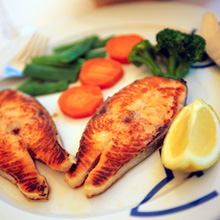
 A breakthrough laboratory study has found that DHA, an Omega 3 fatty acid, prevented Age-Related Macular Degeneration (ARMD).
A Canadian research team at the University of Alberta Faculty of Medicine and Dentistry fed DHA to mice and measured the levels of a toxin called lipofuscin. Lipofuscin builds up in the eye with age, causing ARMD. Mice who ate the DHA for at least 6 months had significantly lower levels of the toxin.
Age-related macular degeneration affects around nine million adults aged 40+ in the USA. ARMD can cause serious loss of vision. It affects the central part of vision, not peripheral vision. Deterioration of the cells in the macula at the eye’s center makes reading, writing, and driving difficult.
Continue reading “DHA Shown To Prevent Age-Related Macular Degeneration”
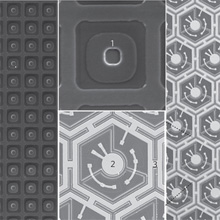 Experimental research at Stanford University school of medicine may result in the restoration of vision for people whose sight has been lost due to Age-Related Macular Degeneration (ARMD), Retinitis Pigmentosa and other diseases of the retina. Surgeons plan to implant small solar panel-like cells under the retina. When the patient wears a special type of goggles, a camera and small computer will allow them to see the world around them again.
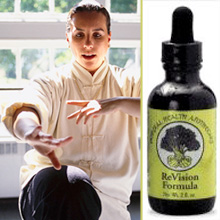 What is ReVision formula, and how can its classic Chinese medicinal ingredients help improve eye health and conditions such as eye floaters? ReVision formula is a liquid taken orally several times per day with water. This tincture is based on Rambling Powder, also known as Xiao Yao San.
 A research study published in Archives of Ophthalmology showed that ingesting omega-3 fatty acids and fish affects the incidence of AMD (age-related macular degeneration, or ARMD) in women. This large study (nearly 40,000 participants) over 10 years found that women who had the highest of intake of Docosahexaenoic acid (DHA, an omega-3 fatty acid) had the lowest risk of AMD versus subjects with the lowest intake. Women who ate at least one serving of fish per week had a relative risk of AMD of 0.58 compared with women who ate less than one serving per month.
 A new study published in the November 2011 Journal of Optometry confirms improved vision in elderly patients with early Macular Degeneration through nutritional supplementation with Zeaxanthin (a carotenoid in the family of lutein).
 A study indicates that melatonin supplements may slow and even reverse the effects of age-related macular degeneration (ARMD). ARMD is the leading cause of serious vision loss in elderly persons.
 A new study in the journal Free Radical Biology & Medicine compared the effects of lutein to grapes on the eyes. Grapes won out, providing more protection against oxidative damage to the retina than the nutrient lutein.
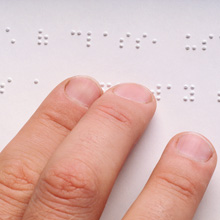 Increase in the delivery of a treatment for neovascular age-related macular degeneration (wet AMD) has resulted in a significant 50% reduction of new cases of blindness in Denmark, according to a study published in the American Journal of Opthamology. Age-related macular degeneration is the most common cause of blindness in the West. Specifically, AMD patients lose reading vision and their ability to drive, resulting in revocation of their drivers’ license.