
 Vitamin D
A recent study in the Proceedings of the National Academy of Sciences found that Vitamin D may have cancer-fighting properties. At the same time, ironically, Vitamin D deficiency is becoming increasing prevalent in the United States due to fear of the harmful effects of sun and poor nutrition.
Excessive sun exposure is a leading cause of skin cancer and cataracts in the eyes. As people slap on sunscreen and cover up to protect themselves from ultra-violet rays, they may be inadvertently missing out on an important nutrient.
Continue reading “Vitamin D, Curcumin, Soy & Resveratrol Fight Cancer”

 Should you take extra Vitamin A if you have Stargardt’s Disease? Vitamin A supplementation is frequently recommended for certain eye diseases (AMD and Retinitis Pigmentosa, for example). This nutrient is crucial for rebuilding photoreceptors cells and proper retinal functioning. However, a study on mice published in “Investigative Ophthalmology and Visual Science” indicated that Stargardt’s Disease patients may be damaged by taking Vitamin A.
 An enzyme acts as a catalyst to increase the rate of a chemical reaction. Enzymes are proteins. Scientists have named 3,000+ different enzymes, but perhaps 50,000 additional enzymes may exist. Enzymes all have specific functions that result in biochemical reactions. For example, certain enzymes are involved in the absorption of oxygen and production of energy; other enzymes help nutrients get into the cells.
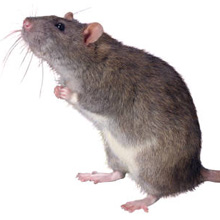 Breakthrough research into vision restoration may result in a new type of prosthetic for people suffering from vision loss due to retinal degenerative diseases such as macular degeneration and retinitis pigmentosa.
 Guest Blogger, Richard Keane
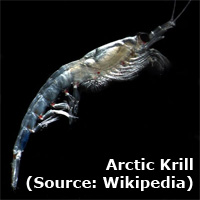 Age-related macular degeneration is a serious and common eye ailment in the aging population, but an Italian study showed that taking just 4mg of astaxanthin per day mitigated the symptoms.
 As people age, eye diseases and conditions that commonly occur include macular degeneration, cataracts, vitreous tears/retinal tears and detachments, glaucoma, diabetic retinopathy, dry eyes, and eye floaters.
 The obesity epidemic may have an impact on the health of the eyes. While scientific studies do not seem to have found a direct link between obesity and eye disease, maintaining a healthy weight supports your overall health and helps prevent diseases that can harm the eyes. Here’s why.