
 In this type of central vision loss, blood vessels grow at the back of the eye, which does not occur in the normal eye. The new drug-delivery system, using a biodegradable time-release coating, helped the drug stay in the eye longer.
Tests showed the drug halted the blood vessel Continue reading “Fewer Injections for Macular Degeneration using Nanoparticles”
 The potential is great for these stem cells to aid in healing damaged and diseased tissues. Not to mention most adults wouldn’t mind giving up a little extra fat for something that could save lives.
 A recent study linking cholesterol and macular degeneration may shed light on a highly significant problem caused by aging and potentially illuminates hope for a treatment or perhaps even a cure.

 A study involving more than 2000 participants in Australia has shown an association between regular aspirin use and wet age-related macular degeneration (ARMD). The prospective analysis study involved four examinations over 15 years (1992-1994 to 2007-2009). Subjects filled in a questionnaire at the beginning of the study that recorded aspirin usage, heart disease and risk factors for ARMD. A retinal photograph was taken at each examination to determine whether subjects had wet (neovascular) ARMD and dry (geographic atrophy) ARMD.
 A fruit cup of mixed berries is a powerful snack: deeply colored fruits are filled with flavonoids and other antioxidants that help protect the body from disease. Antioxidants help prevent free-radical damage, which is believed to be responsible for the onset of eye diseases such as
 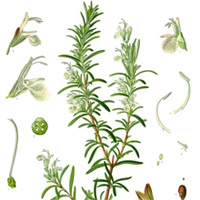 A chemical that occurs naturally in the common herb rosemary has been found to protect the eye from macular degeneration and other eye diseases. This study, published in Investigative Ophthalmology and Visual Science, is one of many recent investigations into the anti-inflammatory and antioxidant effects of the active ingredients in medicinal herbs. The compound in Rosemary is called “carnosic acid.”
 The developing pre-natal eye requires light that passes through the body and into the womb, according to recent animal research. Mice that had no access to light during pregnancy gave birth to offspring whose eyes were not developed correctly. This indicated that small amounts of light are necessary, during gestation, to control eye blood vessel growth.