
 Future treatments for macular degeneration (AMD), Stargardt’s disease, and retinitis pigmentosa may include bone marrow stem cell injections, if a new line of eye research pans out. A preliminary pilot study on six subjects with one of several ischemic eye diseases found that most patients had vision improvement after receiving injections of their own bone marrow.
The purpose of the study was to find out if there were any adverse side effects and to test for vision improvement. The only significant negative side effect was some pain after bone marrow Continue reading “Bone Marrow Stem Cells May Treat AMD, Stargardt’s & Retinitis Pigmentosa”
 Scientists have partially restored sight in blind mice using a protein to repair damaged cells in the retina. These experiments may ultimately lead to treatments that restore sight in patients with progressive degenerative retinal diseases such as diabetic retinopathy, retinitis pigmentosa and macular degeneration.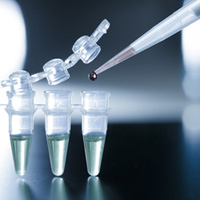
 Many advances in technology that could improve the lives of blind people are on the horizon. Solutions that were thought impossible not long ago are now becoming a reality for many patients suffering from retinal diseases. Treatments such as gene therapy, stem cells, and bionic retinas have shown that vision loss can in fact be reversible.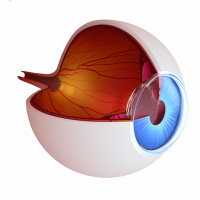
 Donated eyes from the dead may be the key to giving sight back to the living. Researchers have found that cells from the back of the eye may be taken from donated eyes and used to repair the eyes of the blind. Human cells have successfully been used to restore some sight to blind mice, with human trials set to begin in the next three years.
 University of Texas neuroscientists having been looking at how nerve cells in the visual cortex of the brain handle and adapt to images as they change.
 Flowers could help people who have lost their vision to conditions like