
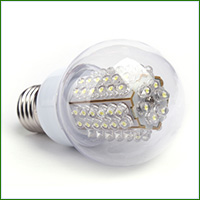
 LED light bulbs are becoming very popular, but what is their effect on the eyes? Light Emitting Diode lighting uses up to 95% less energy than their incandescent counterparts. Before replacing your home or workplace’s indoor lights with LEDs, consider two downsides:
- LEDs do not give off near-infrared radiation, which is necessary for health
- They emit large amounts of blue light, which disrupts sleeping patterns and over time can contribute to eye disease.
One of the benefits of LED lights is that they are Continue reading “Can LED Lights Damage the Eyes or Disrupt Sleep?”
 Americans spend about 1/3 of their waking hours on smartphones; young Americans spend even more. Research finds that we spend almost twice as much time as we think we do and more than half of that time is in short bursts of less than 30 seconds.
 Electronics have become primary obsessions in our personal and work lives. This has lead to nearly everyone becoming susceptible to Computer Vision Syndrome. Symptoms include dry eyes, eye strain, blurred vision, headaches, double vision, difficulty in concentrating, fatigue and/or and head, neck and shoulder pain.
 Do your eyes spend more than 4 hours a day looking at the screen of an electronic device? If so, you are at risk for computer vision syndrome. Computer vision syndrome symptoms include eye strain, fatigue, dry eyes and headaches from staring at a screen too long.