Glaucoma Patients the Focus of New Medication Compliance Study and Methods

Researchers are looking at ways to improve medication compliance in glaucoma patients.

In a press release from MEMOTEXT, the corporation describes how an analysis of over 400 participants in the Automated Dosing Reminder Study showed that adherence to glaucoma medication dosing guidelines rose from 51 to 67% when individuals used “a MEMOTEXT adherence solution integrated with Microsoft HealthVault.”  Johns Hopkins University scientists presented these findings at Mobile Health 2011: What Really Works conference at Stanford University May 4-5, 2011.
Source: memotext.com press release

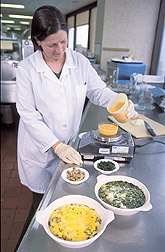
Glaucoma medication
image via publichealth.va.gov

The most common conventional treatment for glaucoma involves the administration of medication to lower eye pressure with eye drops.  There has been concern generated by figures that estimate that between 37 and 59% of patients miss doses or self-administer their medication incorrectly.

We invite you to look at our natural treatment recommendations for glaucoma, particularly because recent research has shown that glaucoma can not be blamed on increased eye pressure all the time.
 

Dry Eye Syndrome’s Cellular Origins Discovered

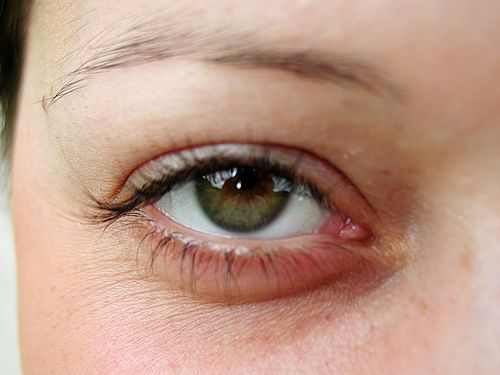
Dry Eyes
Image via ochla.ohio.go

Researchers have identified a cause of dry eyes at the cellular level: natural killer (NK) cells that usually enhance eyes’ immunity play a role in causing the inflammation that is at the root of dry eye syndrome.  This new understanding of the origins of dry eye syndrome could help develop new drugs that treat the causes rather than the symptoms of the condition.  The study appeared in the June 2011 issue of the Journal of Leukocyte Biology; Source: Medical News Today

At Natural Eye Care, we advocate for a non-pharmaceutical approach to dealing with the root causes of dry eye syndrome.  Review our self-help points which include insights on diet, lifestyle habits, and nutritional supplements.  It is important to avoid sugar, caffeine, alcohol, and smoking and to eat plenty of leafy green vegetables and drink at least 8 -10 glasses of water per day.


Omega-3s May Alleviate Alcoholism, Psychiatric Disorders, and Eye Diseases

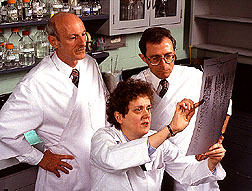
researchers
Image via USDA

Omega-3 fatty acids are known to help the heart and they have also been found to help defend against eye diseases like macular degeneration.


A study by researchers at the Indiana University School of Medicine shows that omega-3 fatty acids could also help people struggling with alcohol addiction or psychiatric disorders.  According to scientists, the DHA in the fatty acid was responsible for “normalizing behavior” in mice.  When taking DHA, mice were less likely to become depressed or manic when placed under stress.  Unexpectedly, the mice also lost their taste for alcohol when consuming DHA supplements.

We believe a diet rich in omega 3 fatty acids may help the treatment and prevention of bipolar disorder, and may help with alcoholism as well,” says Alexander B. Niculescu, M.D., Ph.D.  Source: Science Daily, May 27, 2001


Cataracts Linked to Nutrition Deficiencies Per US Government Scientists

Cataracts - Nutritional Deficiencies
Image via USDA

US government scientists realize the important role that nutrition plays in the health of the eyes.

Cataracts are caused by an accumulation of free radicals that cloud the lens of the eye through a process called oxidation.  Antioxidants, these researchers agree, “are compounds in foods that help maintain healthy cells and tissues in the eye and other organs.”  Prime sources of antioxidants include: leafy greens, eggs, blueberries, and bilberries.

In a study of almost 500 middle aged and older women, it was discovered that those who consumed more riboflavin, folate, beta carotene, lutein, zeaxanthin, and vitamins C and E were less likely to suffer from cataract symptoms than did those who consumes the least amounts of these nutrients.

Another interesting fact that may affect your daily supplement regimen?  Women who took vitamin C supplements regularly over the previous decade were 64% less likely to have

Moreover, those who used vitamin C supplements for 10 or more years were 64 percent less likely to have opacity within the eyes than counterparts who did not take vitamin C.

Source: USDA Agricultural Research Service

Learn more about how to prevent cataracts with our self-help recommendations at our website.

Proteins In Eyes Contribute to Diabetic Retinopathy

Researchers, specifically a group at Harvard’s Joslin Diabetes Center, are understanding the connection between diabetic retinopathy and proteins present in the eyes.  In a 2007 study, scientists describe how they found a group of proteins that they believe are responsible for causing the leakage from blood vessels that marks diabetic retinopathy.  They found that these proteins were also the cause of swelling in the eyes, a discovery that could have an impact on research related to cerebral swelling caused by head injuries and strokes.  Figuring out the role of proteins in this condition opens up new treatment avenues for both eye diseases and brain injuries and conditions.


This study was unique from previous work that focused on rodents because Joslin scientist developed a unique proteomics mass spectroscopy (a high-speed protein analysis technology) that helped to identify protein abnormalities in the vitreous humor of individuals with and without diabetic retinopathy.  These findings have lead to further investigation of the role that proteins within the eyes play in the formation of disease.

This research was published in Nature Medicine.

Source: Joslin Diabetes Center

Diabetic Retinopathy Linked to Inflammation

Inflammation and Diabetic Retinopathy

At Natural Eye Care, we know that eye conditions are often related to diseases that affect the entire body.  At a conference last year, Clement Trempe, MD reminded colleagues to consider the role of overall inflammation when diagnosing patients with diabetic retinopathy.

According to Dr. Trempe, “Diabetic retinopathy is not an eye disease, but part of a chronic systemic inflammatory disease process that shares the same risk factors and elevated biomarkers associated with coronary vascular and neurodegenerative diseases such as age-related macular degeneration, glaucoma and Alzheimer’s.”

In line with our way of thinking, Dr. Trempe recommended prevention (see our “recommendations“). The doctor also emphasized the importance of proper diet, lifestyle, and nutrition (see our self-help recommendations and supplement tips).

Source: PCON Supersite March 1, 2010

Insulin May Not Address Inflammation Problems

Insulin replacement is the main treatment for people with Type 1 diabetes.  A new study seeks to determine how the eyes are not helped through insulin therapies.

In a study of rodents’ retinas that appeared in BMC Medical Genomics, researchers investigated the effect of insulin on the eyes over a 1.5 year period.  This genome-level research showed that though insulin normalizes genes that have been impaired due to diabetes, the insulin therapies are not completely effective when it comes to helping inflammatory processes, microvascular integrity, and neuronal function.  Source: https://www.biomedcentral.com/bmcmedgenomics/

See further information on scientific studies related to diabetic retinopathy.


Omega Fatty Acids Benefit Dry Eyes

As we know well at Natural Eye Care, taking care of dry eye syndrome is about more than just using eye drops.  In fact, it may never be about using eye drops.

An article over at PCON Supersite discusses some oral treatments for dry eyes. We recommend that our patients evaluate their diet and lifestyle choices and make some necessary changes as well as take the right dietary supplements.

Not only our eyes, but the entire body need essential fatty acids in the form of omega-6s and omega-3s.  Omega-6s help fight inflammation that can be an underlying cause of dry eyes and omega-3s make it possible for the body to use the fats in omega-6s.

According to the article’s author, Jeffrey Anshel, OD, the Institute of Medicine recommends we take in “four times as many omega-6 fatty acids as omega-3 fatty acids. It is currently estimated that the average American diet maintains a ratio of up to 25:1.”  This overabundance of omega-6s comes from the Western diet’s reliance on vegetable oils containing linoleic acid that are added to processed foods.  What we really need are fats in the form of  omega-6 gamma linolenic acid (GLA).  These can be found in black currant seed oil, borage oil and evening primrose oil, which are much more rarely found in the average American pantry.  A great source for omega-3s is fish oil.

Source: Primary Care Optometry News, November 1, 2008

Omega-3/Dry Eye Update:

A study published in the journal Cornea involved giving 36 dry eye patients a 90 day regiment of fish oil containing 450 mg of eicosapentaenoic acid, 300 mg of docosahexaenoic acid and 1000 mg of flaxseed oil.  The researchers were seeking to determine the effect of the supplementation on the lipid composition of meibum, aqueous tear evaporation and tear volume.

Seventy percent of those who received the fish oil supplement experienced relief of symptoms by the end of the study compared to just 7% who took the placebo.  Scientists found that the supplements did not markedly alter meibum lipid composition or aqueous tear evaporation rate.  Omega-3 did increased tear production and tear volume in individuals with dry eyes.

Source: Cornea. 2011;30(3):308-314.

Traditional Chinese Medicine’s Approach to Cataracts and Dark Circles Under the Eyes

Traditional Chinese Medicine offers invaluable tools for diagnosing and treating conditions of the eyes.

For example, dark circles under the eyes relate can be attributed to imbalances in the kidneys, the organs that provide us with our vitality. People who present with a “Kidney Qi Deficiency ” are advised to follow one of the simplest at home remedies around: get sufficient sleep.

Chinese Medicine attributes the onset of cataracts often to deficiencies in the kidney and liver meridians. The resulting reduction of the energy and blood flow to the eyes leads to poor eye nutrition and eventually can cause the lens to become opaque.  Also, the spleen meridian plays a role in the nourishment of the eyes.  A dysfunction along this meridian can cause cataracts.

This information is from a chapter of our book, A Comprehensive Manual for Practitioners of Oriental Medicine.

Driving Skills Decline With Age According To a New Study

senior citizen driving
Image via de.gov

A new study finds that driving skills decline with age, even if they have previously clean driving records and showed no signs of dementia. Drivers over age 70 were much more likely to forget to check blind spots and use their turn signals and make other errors associated with increased crash risks.  Motor vehicle operators between the ages of 85 and 89 were four times more likely to make critical errors than those between 70 and 74 years of age.


An Australian study appearing in Neuropsychology finds that decreased driving performance  is a normal sign of aging.  Researchers suggest that older drivers should undergo “additional training in related cognitive skills.”

The study does have some limitations.  For example, researchers did not study vision and visual skills. Eye diseases like macular degeneration are associated with aging and are a chief reason why the elderly are advised by the doctors to stop driving.

Source: HealthFinder

Bilberry May Lower Insulin Levels

Blueberries and their European cousins, bilberries, have long been used to regulate blood sugar in people with type 2 diabetes.  Recent studies of mice are convincing researchers of the bilberry’s potential in helping people deal with diabetes.

A study published in Nutrition Journal describes a trial involving the examination of the effect of consuming oat meal drinks that contained bilberries or rosehips on healthy young adults.  Researchers specifically looked at how these drinks influenced individuals’ glycemic indexes and insulin levels.  The drinks with bilberry induced a lower insulin response.  Scientists credit either the bilberry or the oat meal base.  Source: Nutrition Journal (Published: 21 May 2011).

Bilberries are also known to impact eye health in remarkably positive ways. mostly due to their antioxidant properties.  Studies show it has helped patients who suffer from diabetic retinopathy and cataracts, just to name a few conditions.