Free Radicals May Help the Heart (But Don’t Toss Your Antioxidants!)

Free Radicals - Heart HealthFree radicals might be a good thing?

At Natural Eye Care, we extol the benefits of antioxidants because they fight the free radicals that lead to oxidation, which in turn cause aging: skin changes such as the appearance wrinkles, and ocular changes, including the development of cataracts and macular degeneration.

Your eyes love antioxidants like those found in bilberry (a close relative to the blueberry) and in high quality supplements.

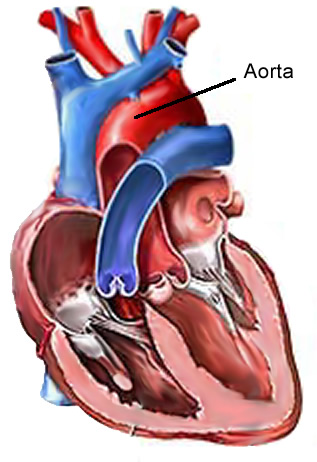
And yet, a new study published in The Journal of Physiology (online 28 February 2011) describes how free radicals are actually essential to the healthy functioning of the heart.

It is true that high levels of free radicals can lead to heart disease, but the heart does need some quantities of free radicals to help it deal with stressful situations.

As described at Medical News Today, when under stress, the nervous system produces what are called beta-adrenergic receptors.  These beta-adrenergic receptors actually produce free radicals not as a negative byproduct of metabolism (as we usually describe the process), but to make the muscles of the heart contract more strongly when necessary.  The heart is then able to pump more blood throughout the body to nourish and sustain us in stressful situations.

This is not to say that you should toss out your antioxidants, but it does remind us that the body is an amazing and complex creation that rarely allows us to use a one-size-fits-all approach to disease or nutrition.

 

5 Ways to Absorb the Most Nutrients From Food and Supplements

woman holding apple
photo by agb

You take your nutritional supplements as directed by your health care provider or as directed on the bottle, but how do you know if you are absorbing all of those vital nutrients?  You may order a beautiful salad made with organic greens, but are you getting all of those carotenoids like lutein and zeaxanthin that are essential to preventing macular degeneration and cataracts?

Here are some tips on how to ensure that you are getting the most out your food as well as those vitamins, minerals, and other therapeutic compounds intended to improve your health:

1. Reduce stress: Stress restricts the flow of blood in the body by tightening muscles, and restricting the free flow of fluids. Meditation, yoga, tai chi or even daily walks in nature can all help reduce stress significantly.

2. Eat slowly: We should be eating our food slowly and thoughtfully. Try never to eat on the run, and don’t eat while conversing, writing, doing work, etc. Make eating a special time for yourself.

3. Exercise regularly: Exercise helps the body rid itself of harmful toxins that build-up daily. Numerous studies have shown that even a brisk walk of 20 minutes per day can have a major impact in reducing development of disease such as heart disease, and has even been shown to reduce high eye pressures in cases of glaucoma.

4. Positive thinking: In Chinese medicine, excessive thoughts of anger, worry, resentment, grief and fear all have significant effects on the free flow of “energy” in the body.

5. Eat healthy food: Our bodies crave fresh food, particularly fruits, vegetables, and grains. These foods provide energy to the body in the form of vitamins, minerals, and natural enzymes. Excessive intake of “dead” food such as fast foods, or highly processed foods, requires our bodies to use its own enzymes and energy to digest food in an attempt to separate whatever limited nutrients may be available.

Update:  Also see our new article on the relationship between digestive enzymes and vision health.

Lutein and Zeaxanthin Reduce Macular Degeneration Risk

The carotenoids lutein and zeaxanthin are selectively absorbed by the macula of the eye in order to protect one from developing diseases like macular degeneration.  A new study published in the Journal of the American Dietetic Association seeks to measure lutein and zeaxanthin consumption by age, sex, and ethnicity.

head of brocolli
Image by bgraphic

Among all age groups, both sexes, and all ethnicities, intakes of lutein were greater than of zeaxanthin.   Zeaxanthin to lutein ratios in Mexican Americans was considerably greater than other ethnicities (other Hispanics, non-Hispanic white, non-Hispanic black, other races). Lower zeaxanthin to lutein ratios were measured in groups at risk for age-related macular degeneration (e.g., older participants, women).  The authors of this study state that their findings “suggest that the relative intake of lutein and zeaxanthin may be important to age-related macular degeneration risk.”

Source: LefDailyNews

Green vegetables such as kale, spinach, turnip greens, collard greens, romaine lettuce, broccoli, zucchini, garden peas and brussel sprouts are among the best sources of lutein and zeaxanthin. For more on food sources of nutrients, visit our website.

Learn more about preventing and treating macular degeneration.

Pumpkin Seed, Macular Degeneration & BPH

Macular Degeneration:

Pumpkin seed oil is rich in zeaxanthin, which protects the retina and slow the progress of macular degeneration. In 2003, the Medical Research Council Environmental Epidemiology Unit at the University of Southampton in England announced that zeaxanthin “may be far more important in preventing or stabilizing macular degeneration than previously realized.”  Learn more about zeaxanthin.

Benign Prostatic Hyperplasia:

When pumpkin seed is taken along with saw palmetto symptoms of benign prostatic hyperplasia can be reduced (BPH).   Scientists have noted that the benefit may arise from some of the contents of pumpkin seed, such as plant sterols, zinc, and  fatty acids. Learn more about benign prostate hyperplasia.


Lutein and Zeaxanthin for Eye Health

Lutein and Zeaxanthin are powerful antioxidants used both in the retina and lens of the eyes, and help reduce the chances of onset of eye conditions such as macular degeneration and cataracts.

The carotenoids lutein and zeaxanthin are both potent  antioxidants that are used in the cells of the lens and retina of the eye.  They are wonderful free radical fighters with the capacity to lower oxidation in the eye – which causes stress in the cells of the eye.  They also are used both in the retina and lens of the eyes. They help neutralize free radicals and reduce oxidative stress. In addition they are powerful filters that block damaging blue light from sunshine.

Zeaxanthin is found mostly in the macula of the eye, at the center of the retina, where it supports central vision, and lutein is mostly found at other locations in the retina where it supports peripheral vision.

Supplementation with only  6 mg  lutein each day lowers the risk of developing AMD by 57 percent.

The Woman’s Health Study published in the Archives of Ophthalmology in 2007 demonstrated that female subjects who received the highest levels of lutein, zeaxanthin and vitamin E  in their diets were 18 percent less likely to get cataracts.

Learn more about lutein and zeaxanthin.

Avocados for Eye Health

Avocados contains a wide range of phytonutrients are thought to help prevent many chronic diseases, and are excellent for the eye health. Nutrients include trans neoxanthin, neochrome, lutein-5, 6-epoxide and chrysanthemaxanthin. The scientists also confirmed the presence of lutein, zeaxanthin, b-cryptoxanthin, a-carotene and b-carotene (all nutrients that support retinal health).

Avocado for the eyes

Avocados contain a wide range of phytonutrients, which are thought to help prevent many chronic diseases, and are excellent for the eye health. Nutrients include trans neoxanthin, neochrome, lutein-5, 6-epoxide and chrysanthemaxanthin. The scientists also confirmed the presence of lutein, zeaxanthin, b-cryptoxanthin, a-carotene and b-carotene (all nutrients that support retinal health).

Since most of the nutrients are located near the skin of the fruit, you get most nutrients out of an avocado by peeling the fruit before slicing it.
See more information on foods for the eyes.

Lutein, black currant extract may reduce visual fatigue

Visual fatigue such as computer eye strain caused by staring at the computer for long hours, may be eased a daily supplement containing blackcurrant fruit extract (200 mg), lutein (5 mg), and zeaxanthin (1 mg), according to a randomized, double-blind, placebo-controlled cross-over trial.

Visual fatigue such as computer eye strain caused by staring at the computer for long hours, may be eased a daily supplement containing black currant fruit extract (200 mg), lutein (5 mg), and zeaxanthin (1 mg), according to a randomized, double-blind, placebo-controlled cross-over trial.

The findings, published in the journal Applied Ergonomics, adds to the ever growing body of science supporting the eye health benefits of lutein and zeaxanthin.

Editor’s Notes: See more information on how to help prevent or minimize computer eye strain.

Meso-zeaxanthin and Macular Degeneration Prevention

Meso-zeaxanthin and Macular Degeneration Prevention

A supplement of meso-zeaxanthin may bolster macular pigment optical density (MPOD), according to researchers from Florida International University (Nutr Metab . 2007;4:12) (DOI:10.1186/1743-7075-4-12). Lutein and zeaxanthin have been the primary focus of research trials exploring how the xanthophyll carotenoids can support macular pigment and possibly prevent onset of age-related macular degeneration (AMD). Meso-zeaxanthin is the third major carotenoid found in macular pigment.


Update on Meso-Zeaxanthin

A new study, known as Meso-zeaxanthin ocular supplementation trial (MOST), begins in late March 2010 and the clinical research team are currently recruiting suitable candidates. The specialists involved in the trial are research experts in this area of eye disease. The trial requires 60 patients who have been diagnosed with early AMD. After a complimentary eye screening by an IVR Ophthalmologist, suitable candidates will be enrolled into the trial and provided with a 12-month course of dietary supplements containing the macular pigments.

For further information on AMD or on the MOST trial being conducted at the Institute of Vision Research, please contact: Eithne Connolly, Clinical Research Technician, on 051 302153 or at eithneativr.ie

Editor’s Note: Recent studies have shown that the carotenoid mesozeaxanthin, in the family of lutein and zeaxanthin,  is used as an antioxidant directly in the center of the retina. Hopefully this study will further confirm that this nutrient along with a family of other essential nutrients helps preserve vision for those with macular degeneration.

Mini-Strokes May Cause Vision Loss for Those with Normal Tension Glaucoma

The Hong Kong study of 286 people with normal-tension glaucoma found a high incidence of silent cerebral infarcts among those whose loss of vision progressed more rapidly. The finding is in the July issue of Ophthalmology.

A study of people who suffer the mini-strokes called silent cerebral infarcts could help explain the medical mystery of normal-tension glaucoma, Hong Kong ophthalmologists report.

The Hong Kong study of 286 people with normal-tension glaucoma found a high incidence of silent cerebral infarcts among those whose loss of vision progressed more rapidly. The finding is in the July issue of Ophthalmology.

Editor’s Note: Although the traditional approach to managing normal tension glaucoma is to lower intraocular pressure with glaucoma medications, the reason for the actual vision loss it still not known. This study may offer some insight into this vision loss.

We have long subscribed to the idea the vision loss for people with normal tension glaucoma is at least partially due to poor circulation to the optic nerve, and that taking nutrients and herbs that help strengthen circulation to the optic nerve and help fortify the optic nerve can help preserve vision.

Such nutrients include gingko biloba, taurine, vitamin B12, alpha lipoic acid, bilberry, lutein, zeaxanthin, grapeseed extract and omega-3 fatty acids.

For more related information, see Natural Eye Care for Glaucoma.