
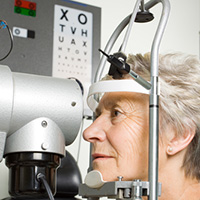
 Examining the eyes of animals has revealed a test for very early Parkinson’s Disease. This research may translate into an eye test for humans. If so, it offers hope to the 1 in 500 people worldwide who will develop Parkinson’s by allowing treatment to slow the condition in its earliest stages.
Parkinson’s disease (PD) is the second most common neurodegenerative disease. Symptoms include muscle tremors, stiffness, and slow movement. It is not fatal by itself, but it reduces the quality of life. There is currently no definitive test, and doctors cannot diagnose this neurological Continue reading “Eye Exam Could Detect Neurological Disease Parkinson’s”
 Exposure to electromagnetic fields has been considered a potential contributor or cause to many chronic illnesses for about 20 years. What is becoming more apparent is that EMF pollution when combined with toxins and poor diet makes chronic disease more likely.
 A significant study has found that the deleterious effects of traumatic brain injury in American football players can be mitigated using a natural regimen of weight loss (if needed), fish oil, vitamins, and brain-enhancing supplements including ginkgo biloba. The positive results could help reverse brain damage in contact sport athletes, alcohol and drug addicts, chronic traumatic encephalopathy (CTE) and people who have had brain damage from concussions.
 There is no cure for the degenerative brain disease called Alzheimer’s, and current conventional treatments have a limited effect. However, research into a drug used to treat skin cancer may show “stunning” potential to help with Alzheimer’s disease.