DHA For Infant Eye Health

Do omega-3’s help infant eye development?  The European Parliament is going to vote on whether manufacturers are allowed to claim that DHA helps babies’ eyes.

The issue of how and what to feed babies is always controversial, especially when one wades into the breast milk versus formula debate.  In this case, the question is whether infant formula should be supplemented with DHA.

The March of Dimes does recommend that pregnant women get enough DHA to enable health brain and eye development.  They say, “After the baby is born, DHA consumed through breastfeeding may also help the baby’s eyes and vision… Breast milk is the preferred way for infants to consume adequate amounts of DHA and ARA. If the mother decides not to breast feed, then the infant should be fed only supplemented formulas which contain DHA and ARA. Adequate DHA levels may lead to improved developmental outcomes, including improved mental, visual and motor skill development.”  Source: March of Dimes
Toxicity Found in Freshwater Fish

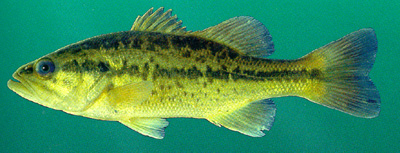
Freshwater fish toxinsWe often recommend cold water ocean fish for the essential fatty acids they provide, which are vital to protecting us from glaucoma and macular degeneration.

New information presented at an American Chemical Society (ACS) meeting may  raise concerns about consuming freshwater fish, however.

Freshwater fish are showing high levels of an agent called triclocarban (TCC) that has potential hormone-disrupting properties.  Researchers believe the source of this river and stream contamination that is showing up in fish is an ingredient found in some antibacterial soaps.  Scientists do point out that there is no evidence that TCC accumulates in the human body.

Previous studies have found that TCC and another antibacterial soap additive, triclosan “don’t prevent the spread of disease any better than ordinary soap, yet both may cause disruption of reproductive hormones,” according to the ACS press release.  Source: healthfinder.gov


Meibomian Gland Dysfunction May Be At the Root of Dry Eye Syndrome

An international team of scientists have published a report that could change the way we look at dry eye syndrome.

There is news from the International Workshop on Meibomian Gland Dysfunction, which has spent two years formulating an evidence-based evaluation of meibomian gland structure and function in health and disease.  According to report authors, MGD is an extremely important condition, conceivably underestimated, and very likely the most frequent cause of dry eye disease.  More than 50 experts from around the globe worked together, mostly using technology to connect across great distances to develop a contemporary understanding of the definition and classification of MGD.

According to the report, researchers now understand that the meibomian gland is a key component in the etiology of dry eye and contributes to the evaporative status of the tear film.

“MGD may well be the leading cause of dry eye disease throughout the world. Although this condition influences the health and well being of millions of people, there has not previously been a global consensus on the definition, classification, diagnosis or therapy of MGD,” explained Dr. David A. Sullivan, PhD, TFOS President.

Sleep and Stress Reduction Encourage Weight Loss

Are you ready to sleep away those extra pounds?

A new study from Kaiser Permanente’s Center for Health Research in Portland describes how high levels of stress and inadequate sleep can keep people from losing weight, even when they are following a diet.

Study authors say that those who get 6-8 hours of sleep and moderate the stress in their lives are most successful when they try to lose weight.

The study included 472 obese adults who both reduced their caloric intake by 500 calories and exercised 3 hours per week.  The researchers found that proper amounts of sleep and healthy stress levels at the beginning of the trials were predictive of optimal weight loss.

“People who are healthy and vital tend to be healthy and vital not because of any one factor, but because of many. And the factors that promote health — eating well, being active, not smoking, sleeping enough, controlling stress, to name a few –promote all aspects of health,” said study author Dr. Charles Elder.  Story via HealthFinder.gov

Reducing stress will positively impact a number of health conditions – everything from blepharospasm (eye twitches) to peptic ulcers.

How Some Diabetes Patients Avoid Diabetic Retinopathy

Diabetes
Image via HealthyPeople.gov

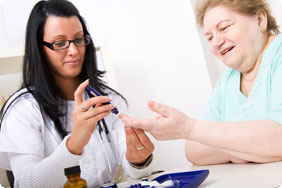
Why do some people with type 1 diabetes remain free of diabetic retinopathy and other complications while others suffer from sight loss as well as kidney and cardiovascular problems?

Researchers publishing in Diabetes Care set out to answer this question by studying individuals who have been living with type 1 diabetes for over 50 years.  It seems that the sample group of 351 people with longterm diabetes diagnoses was mostly good at maintaining stable blood sugar levels, but blood sugar control did not seem to be the determining factor when it came to eye, kidney, and heart problems.

For the most part, scientists say it is still a mystery why 35% of these older type 1 diabetes patients seem free of the issues commonly associated with their disease.  They seem to have some inherent “protective mechanisms” that keep them from developing these conditions.  One factor may be the particular advanced glycation end products (AGEs) present in the subjects.  Some types of AGEs were linked to diabetes complications while others seems to protect the patients from the aforementioned eye, kidney, and heart troubles.  Study authors say that these protective AGEs may  lead to new biomarkers that will help indicate whether people are likely to be susceptible to these accompanying conditions.

As researchers strive to determine what protects certain people from diabetic retinopathy and other problems it is still essential that people with diabetes of both types work to control their blood sugar levels. Learn about natural ways to deal with diabetes.

Source: US News

For more peer reviewed research on diabetic retinopathy, visit our website.

MRI Tests May Be Unnecessary For Ocular Neuropathy Patients

Patients who have been diagnosed with isolated ocular neuropathic conditions, commonly a side effect or complication of diabetes, may no longer need MRI testing.

A new study reports that MRI exams are recommended for patients under 50 with a history of cancer, have more than one cranial nerve affected, or have a pupil-involving palsy of the third cranial nerve.  If patients are older and do not have these conditions, they don’t need such imaging, at least at the outset of treating the condition because such MRI images rarely helps medical professionals find lesions that would have made a difference in the type of treatment they received.

Published: Archives of Opthalmology

Stress Disrupts Digestion and Impacts the Immune System

stress
Image via nih.gov

The immune system can respond to the balance of intestinal bacteria.  Researchers find that stress is the main factor in the upset of that internal sense of balance.


According to scientists from Ohio State University “Stress changes the composition, diversity and number of intestinal bacteria… The communities of bacteria become less varied, and there are greater numbers of potentially harmful bacteria.”

A news release from the publishing journal Brain, Behavior, and Immunity quotes lead researcher Michael Bailey, “When we reduced the number of bacteria in the intestines using antibiotics, we found that some of the effects of stress on the immune system were prevented. This suggests that not only does stress change the bacteria levels in the gut, but that these alterations can, in turn, impact our immunity.”

The researchers go on, “Previous research has linked intestinal bacteria to conditions such as inflammatory bowel disease and asthma. Future studies need to determine whether changes in intestinal bacteria may explain why these conditions tend to become worse when people are under stress.” Source: HealthFinder.gov

Stress has also been linked to eye twitching, and dark circles under the eyes.

Post Cataract Surgery Dry Eyes May Be More Common Than Usually Reported

If you have been concerned about your chances of experiencing dry eye syndrome post cataracts surgery, your fears may be warranted.

A new study finds that people who have had cataracts surgery are more likely to suffer from dry eyes than is usually reported.  An assessment of 143 people who underwent cataracts surgery showed that while only 22.1% of patients received a dry eye diagnosis, more than 30% reported stinging, burning, dryness and foreign body sensation, while 40% reported itching, sensitivity to light, blurred vision and fatigued eyes. Source: OSNSupersite

Learn more about natural strategies to cope with dry eyes at our website.

Also, read about natural ways we have helped people suffering from cataracts.

Vitamin C Is a Potential Cancer Fighter

intravenous drip bag
Image via NASA

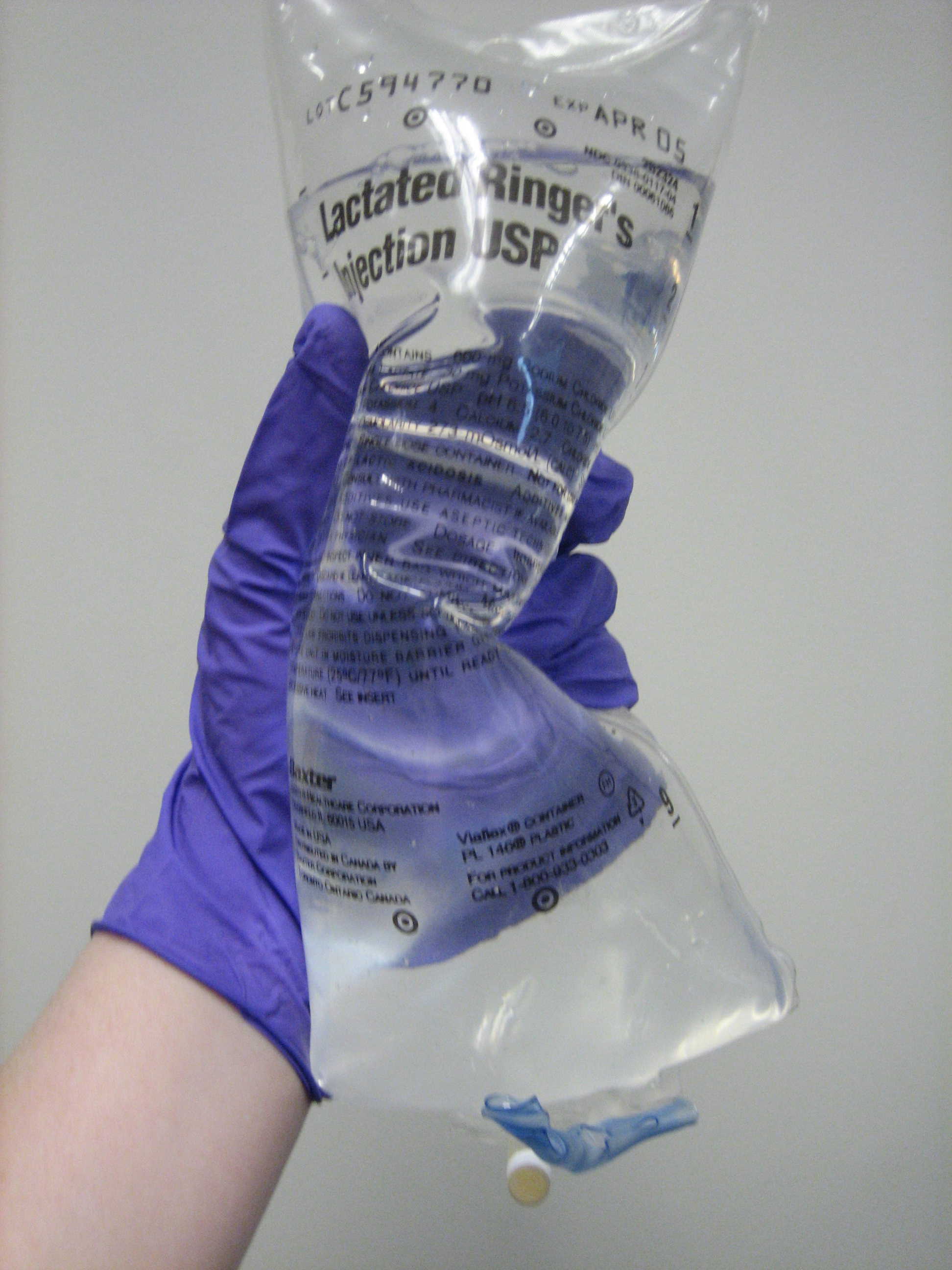
Vitamin C, given to patients intravenously, could be an effective way to fight cancer.

A study, published in the Journal of Translational Medicine, is based on the assertion that doses of vitamin C could help cancer patients who suffer from wasting (cachexia), immune system deficiencies, and compromised quality of life.  This particular article pulled together the findings from 246 previous studies.

The study sought to include perspectives from the alternative health community that has asserted the benefits of vitamin C as a cancer fighter as well the allopathic medical community that has, in part, agreed that vitamin C could be helpful to cancer patients.

In the past, studies have differed on vitamin C’s effectiveness, but it seems the determining factor in vitamin C’s cancer fighting abilities is in taking it intravenously rather than in pill form.  Source: Medical News Today


Glaucoma Can Compromise Driver Safety

Glaucoma patients are more likely to have auto accidents than drivers without this sight-compromising condition.

At a talk preceding the American Society of Cataract and Refractive Surgery meeting Eydie Miller-Ellis, MD talked about the roles that eye doctors play in determining whether a glaucoma patient’s ability to drive might be compromised.  She says “Physicians do have a responsibility to protect their patients and to protect the public. The law has some vision requirements and restrictions that are meant to protect its citizens. And so, should we report people who we think are dangerous? Certainly, if they do not meet the law, we absolutely should report them.”

There are options for glaucoma sufferers who are daunted by the thought that they might not be considered able to safely operate a vehicle.  Dr. Miller-Ellis recommends that they look into “senior driving courses and/or occupational therapists who can help with safer elderly driving.”

Source: OSNSuperSite

There are natural ways to fight glaucoma.