Green Tea Could Help Combat Diseases of the Eye

Researchers in China say studies in rats indicate substances in green tea may protect against eye diseases such as glaucoma. Scientists led by Chi Pui Pang of the Chinese University of Hong Kong and Hong Kong Eye Hospital confirmed green tea substances — known for antioxidant and disease-fighting properties — were absorbed in the lens, retina and other eye tissue.

The study, published in the Journal of Agricultural and Food Chemistry, suggested until now it was not known if green tea substances actually passed from the gastrointestinal tract into eye tissue. The researchers analyzed the eye tissue of laboratory rats that drank green tea and found several “catechins” in green tea that contain antioxidants — including vitamin C, vitamin E, lutein and zeaxanthin — were absorbed by the eye in significant amounts. The researchers said green tea catechins reduced harmful oxidative stress in the eye for up to 20 hours.

“Our results indicate that green tea consumption could benefit the eye against oxidative stress,” the study researchers said in a statement. Reported in April, 2010 ACS’ bi-weekly Journal of Agricultural and Food Chemistry.

Editor’s Note: Catechins such as those found in green tea are among a number of antioxidants, including vitamin C, vitamin E, lutein, and zeaxanthin, thought to help protect the delicate tissues of the eye from glaucoma and other eye ailments.

Learn more about how to prevent and treat glaucoma naturally.
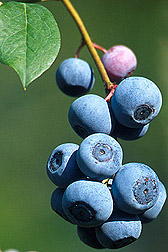
Blueberries Reduce Blood Pressure and Improve Eye Health

blueberries
image via USDA

A new study of rats has found that daily intake of blueberries helps reduce blood pressure in hypertensive animals.  The study, published in the Journal of Agricultural and Food Chemistry is unique in that they studied the results of eating the berry itself, not isolated compounds derived from the fruit. Source: https://mobile.nutraingredients-usa.com/Research/Blueberries-linked-to-improved-blood-vessel-health-Rat-study.

Blueberries, and their cousins bilberries and huckleberries have been found to help those with retinitis pigmentosa and diabetic retinopathy.


A New Antioxidant Source: Sorghum Bran

Fruits like blueberries get a lot of credit for being great antioxidants, helping to combat free radicals and fight eye diseases like glaucoma and macular degeneration, but researchers have found another antioxidants source that might be even more powerful: sorghum bran.

Researchers from the University of Georgia study found that the black and sumac varieties of sorghum have significant levels of antioxidants – even higher than may fruits. Sorghum also happens to be much less expensive.

Those involved with the study hope that a concentrate, high-tannin form of sorghum can be marketed and added to foods or sold as a powder to those seeking its antioxidant powers.  It is also a potential source of fiber.

Source: https://www.medicalnewstoday.com/articles/200978.php

What’s an Antioxidant Anyway? Antioxidants for Healthy Eyes and Body

We heard a lot about antioxidants, but what are they and why do we need them and where can we get them?

Free radicals are unstable atoms that attack other cells in their attempt to gain a missing electron that will make them more stable.  This attack harms the cells’ delicate membranes, thereby making them a target for disease. This process is called oxidation and it is responsible for aspects of the aging process including wrinkles, cataracts, and macular degeneration.

Antioxidants neutralize free radicals by donating an electron to the unstable cells. After being neutralized, those free radicals will no longer attempt to damage cells, and therefore become less harmful to the body.

Antioxidants can be found in a host of foods.

Four particularly important antioxidants:

Astaxanthin, Glutathione, CoQ10 and Super oxide dismutase.

Blueberries Help Prevent Diabetes and Macular Degeneration

blueberries
image courtesy of USGS

New research published in the Journal of Nutrition shows that the bioactive ingredients in blueberries may help people fend off diabetes.

A study of people who were at risk for diabetes (obese and insulin-resistant but not yet diagnosed with diabetes) showed that consuming smoothies rich in blueberry bioactives twice per day for 6 weeks showed a 22% change in insulin sensitivity.  This was the first study of its kind to indicate that the nutrients in blueberries can help regulate insulin levels in at-risk adults.  It is believed that the flavonoids in blueberries – in particular anthocyanins and flavanols – are responsible for this positive effect.

Source: Nutraingredients

Blueberries are also great for the eyes as they are rich in antioxidants.  Studies have linked blueberries and other antioxidants to the prevention of macular degeneration.

Antioxidants Proven to Benefit Health

image by jbolhuis

We believe strongly in the healing power of antioxidants, specifically in how they can help maintain and improve eye health.

You may have heard about a 2007 analysis of data related to antioxidants that said taking antioxidant supplements increases one’s mortality risk.  A new analysis of available data shows that the previous study published in Journal of the American Medical Association that said the caused a 16% increase in mortality was incorrect.

In fact, 36%  of the trials showed a positive outcome or that the antioxidant supplements were beneficial, 60% showed antioxidants had no effect, and only 4% published a negative outcome.

The new study says that those with nutritional deficiencies will benefit most from antioxidant supplements.  Also, too much of a good thing can just be a waste of money – there appears to be a threshold above which additional supplement intake has no effect.

Source: Nutraingredients

Read more about food sources of nutrients that benefit the eyes.

Antioxidants can help to prevent or treat many eye conditions including: macular degeneration and cataracts.

Antioxidant Qualities of Black Rice

Then great antioxidant properties of blueberries and blackberries has gotten a lot of press for good reason, but recent research shows that black rice is another powerful force of anthocyanin antioxidants. The results of this study were presented to the American Chemical Society.

According to Zhimin Xu, Associate Professor at the Department of Food Science at Louisiana State University Agricultural Center in Baton Rouge, “Just a spoonful of black rice bran contains more health promoting anthocyanin antioxidants than are found in a spoonful of blueberries, but with less sugar and more fiber and vitamin E antioxidants.”

Known as “Forbidden Rice” in China, this study focused on rice grown in Louisiana and is emphasizing the potential of growing this crop domestically.

Antioxidants are key to maintaining vision health.  Read more about food sources of nutrients that benefit the eyes.

Antioxidants Can Help Protect Against Metabolic Syndrome

A diet enriched with antioxidant nutrients can help to improve insulin resistance in adults with metabolic syndrome.  Individuals with metabolic syndrome exhibit increased some or all of the following: waist circumference, blood pressure, fasting glucose and triglycerides, and a reduction in high density lipoprotein (HDL) cholesterol.  They have a reduced ability to utilize insulin, and are at an increased risk of developing cardiovascular disease and diabetes.

Subjects participating in the study were all placed on 1,500 calorie per diets for 3 months, but only a subgroup were provided with fruits and vegetables high in antioxidants.  All lost weight, but only those who received the antioxidant-enriched diet had significant reductions in insulin resistance.  The antioxidants were thought to have helped reduce oxidative stress, which may help protect against a number of conditions, including metabolic syndrome.

Source: https://www.lef.org/newsletter/2010/0629_High-Antioxidant-Diet-Improves-Insulin-Sensitivity-in-Obese-Men-Women.htm

Antioxidants play a vital role in the reduction of eye disease too.  Learn more about antioxidants.

Two foods to completely avoid

Avoid trans fats, found largely in commercially prepared baked and fried foods, These fats not only raise “bad” LDL cholesterol, but also lower levels of heart-healthy HDL cholesterol. High trans-fat intake has been linked to coronary heart disease, in which fatty plaques build up in the heart arteries, sometimes leading to a heart attack.

The food industry has been widely replacing trans fats with interesterified fat, another unnatural fat to completely avoid.

The interesterification process hardens fat, similar to the hydrogenation process, but without producing oils that contain trans fats. The end product, like trans fat, is less likely to go rancid and is stable enough to use to fry foods.

Avoid trans fats, found largely in commercially prepared baked and fried foods, These fats not only raise “bad” LDL cholesterol, but also lower levels of heart-healthy HDL cholesterol.  High trans-fat intake has been linked to coronary heart disease, in which fatty plaques build up in the heart arteries, sometimes leading to a heart attack.

The food industry has been widely replacing trans fats with interesterified fat, another unnatural fat to completely avoid.

The interesterification process hardens fat, similar to the hydrogenation process, but without producing oils that contain trans fats. The end product, like trans fat, is less likely to go rancid and is stable enough to use to fry foods.

However, like hydrogenation which generates unnatural trans fats, interesterification also produces molecules that do not exist in nature.

Studies show that interesterified fat raises your blood glucose and depresses insulin production. These conditions are common precursors to diabetes, and can present an even more immediate danger if you already have the disease (Nutrition & Metabolism 2007, 4:3doi:10.1186/1743-7075-4-3)

Editor’s Note: Stay with healthy fats such as olive oil, and even saturated fats in moderation such as butter or coconut oil.

To round out your healthy fat intake, be sure to eat raw fats, such as those from avocados, raw dairy products, and olive oil, and also take a high-quality source of animal-based omega-3 fat, or if vegetarian, supplement with Krill oil.

More Evidence that Antioxidants Help Fight Eye Diseases Such as Cataract

Antioxidants not only help prevent some eye diseases, they may also help limit progression of the diseases

It’s known that taking antioxidants helps delay the onset of some eye diseases associated with aging, such as cataract. Now researchers believe that antioxidants can be effective if damage to retinal tissue has already set in.

Researchers at the University of Maryland School of Medicine studied the effects of reactive oxygen species (ROS)-induced damage to retinal tissue. An increase in ROS levels can result in significant damage to cell structures — a situation known as oxidative stress. Oxidative stress is a significant risk factor in the development of many eye diseases associated with aging.

Since the formation of cataract is a well-defined progressive disease, believed to be related to a continued generation of ROS in the aqueous humor, the researchers hypothesized that even a late start with an appropriate antioxidant could halt the process and delay cataract development and vision impairment.

The results? Adding pyruvate — known to be an effective ROS scavenger — to lens cultures after lenses had sustained 50% damage was significantly effective in preventing progress.

Pyruvate can be found in foods such as red apples, and to a lesser extent, in dark beer and some cheeses.

Learn more about antioxidants

SOURCE:  “Oxidative damage to lens in culture: reversibility by pyruvate and ethyl pyruvate”, Varma, et al, Ophthalmologica, 2008; 222 (3):194-198.

Update: More Evidence on Antioxidants & Cataract

Cataracts are the leading cause of blindness around the world.  Studies suggest that oxidation is responsible for much of the damage to the lens and that antioxidants might protect the lens against formation of cataract.

Scientists at the University of Sydney and the University of Melbourne in Australia have released their investigation of the relationship between antioxidant nutrient intakes and the incidence of age-related cataract.

During 1992–1994, 3654 people aged 49 years or older attended baseline examinations as part of the Blue Mountains Eye Study.  Of these, 2464 (67.4%) of the participants were evaluated again at either 5 years or 10 years.  At each examination, lens photography was performed and food-frequency questionnaires were administered.  Antioxidants, including beta-carotene, zinc, and vitamins A, C, and E, were assessed. Cataract was assessed at each examination from lens photographs with the use of the Wisconsin Cataract Grading System.

Participants whose total intake of vitamin C (diet as well as supplements) was in the top 20% of the group had a reduced risk of nuclear cataract.  An above-median intake of combined antioxidants (vitamins C and E, beta-carotene, and zinc) was also associated with a reduced risk of incident nuclear cataract.

Study authors concluded that higher intakes of vitamin C or the combined intake of antioxidants had long-term protective associations against development of nuclear cataract in this older population.

SOURCE:  Tan, et al, Antioxidant nutrient intake and the long-term incidence of age-related cataract: the Blue Mountains Eye Study,  American Journal of Clinical Nutrition, Vol. 87, No. 6, 1899-1905, June 2008.