Omega Fatty Acids Treat Macular Degeneration, Retinitis Pigmentosa, Diabetic Retinopathy

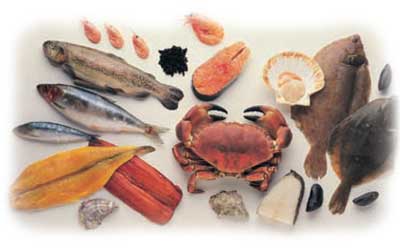
seafood
image via FDA

Scientists are continually evaluating the powerful compounds found in omega-3 fatty acids to determine further ways they can be used to make us healthier.

A study published in the Journal of the American Medical Association sought to find out whether taking omega-3 supplements could help those who suffer from atrial fibrillation (irregular heartbeats caused by the upper chambers of the heart beating out of sync with the upper potentially leading to a stroke).  In this case, the researchers did not find that taking omega-3 supplements over six months helped decrease instances of atrial fibrillation.  Source: https://jama.ama-assn.org/cgi/content/short/304/21/2363?rss=1

But, there have been numerous other studies that have shown how omega fatty acids can be very beneficial, specifically to those suffering from macular degeneration, retinitis pigmentosa, and diabetic retinopathy.


For more research on the eye and overall health conditions that you are most concerned about, visit our research index.

Cinnamon Helps Fight Diabetes

cinnamon
image via: www.ars.usda.gov

One of the favorite spices of the season could help fight diabetes.

Researchers publishing in Diabetic Medicine have found that taking two grams of cinnamon per day for twelve weeks can lower blood pressure and reduce blood sugar levels in those with type 2 diabetes.  Study authors warn that there have been no tests of long term safety and effectiveness of taking cinnamon as a supplement in the long term, but they are optimistic.

Source: Nutraingredients

For more on the related condition, diabetic retinopathy, visit our website.

Blueberries Reduce Blood Pressure and Improve Eye Health

blueberries
image via USDA

A new study of rats has found that daily intake of blueberries helps reduce blood pressure in hypertensive animals.  The study, published in the Journal of Agricultural and Food Chemistry is unique in that they studied the results of eating the berry itself, not isolated compounds derived from the fruit. Source: https://mobile.nutraingredients-usa.com/Research/Blueberries-linked-to-improved-blood-vessel-health-Rat-study.

Blueberries, and their cousins bilberries and huckleberries have been found to help those with retinitis pigmentosa and diabetic retinopathy.


iPhone Good Enough for Eye Doctors to Examine Patients’ Results

Maybe they will start calling it the EyePhone…

At the  American Academy of Ophthalmology (AAO) – Middle East-Africa Council of Ophthalmology (MEACO) Joint Meeting in Chicago researchers described how images on the iPhone are of high enough quality that they can be used by eye doctors who want a portable way to carry around patients’ diagnostic images.

It is common for images of patients’ eyes to be viewed on a computer screen, but researchers at the University of Pittsburg School of Medicine decided to see if they could jump on the portable device wagon.

The study involved the office visits of over 100 patients with diabetic retinopathy.  For some, the examining doctor relied on computer screens to evaluate images of the eyes and for others, the iPhone.  According to Dr. Michael J. Pokabla. “There were no significant differences between evaluations and recommendations using the two different systems, and the doctors rated the iPhone images as excellent. We conclude that mobile devices like the iPhone can be used to evaluate ophthalmic images.”

Source: https://www.medicalnewstoday.com/articles/204895.php

Exercise Supports Eye Health – A New Perspective on Stretching

woman exercising
Image courtesy of healthysd.gov

At Natural Eye Care, we know that exercise is a vital part of keeping both the eyes and the entire body healthy.  Exercise is a key part of our prevention protocol and essential to anyone who wants to preserve their sight and avoid developing such diseases as glaucoma, macular degeneration, diabetic retinopathy, or cataracts.

A story aired on NPR talks about how that old pre-exercise stretching routine you have been doing for years may not be effective when it comes to warding off injuries.

A study published in the Journal of Strength and Conditioning Research found that “competitive runners are less efficient after static stretching.”

According to a coach interviewed in the same story, consider an alternative to the “bend and hold” style of stretching – a repetitive set of 2 to 3 second stretches called “active isolated stretching.”


Diabetes Related Hospitalizations On the Rise For Young Women

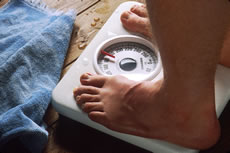
person on bathroom scale
Image courtesy of genome.gov

Over a fourteen year period (1993-2006) diabetes related hospitalizations increased by 66%.  This study, published in the Journal of Women’s Health, shows an even more marked increase for people in their 30s.  Diabetes related hospitalizations for both men and women nearly doubled, but women were 1.3 time more likely to be admitted than their male counterparts.

According to study authors, this discrepancy could be due to women receiving less preventative care for their diabetes.  Pregnancy can be a factor on the development and progression of diabetes, but this study shows that impending motherhood is not the main culprit.  Researchers blame these figures on high obesity rates in the age 20-39 female segment of the population and less aggressive medical management of women’s cases of diabetes.

Source: https://www.medicalnewstoday.com/articles/204245.php

For more information about how to control and prevent diabetes naturally, visit our website.

Also, learn more about how to prevent the related condition, diabetic retinopathy.

Twice As Many Americans Treated For Retinal Disease Over 10 Years

An analysis of Medicare records over a period stretching from 1997 to 2007 showed that within the decade the number of older Americans receiving treatments for retinal diseases doubled.  The treatments were for retinal conditions like age-related macular degeneration (AMD) and diabetic retinopathy.

This study specifically focused on the sort of treatment that patients received.
Source: Yahoo News

At Natural Eye Care, we advocate a natural approach to vision health.  For information on how to prevent eye disease through a combination of diet, lifestyle, nutritional supplementation, and exercise, please visit our website.

Diabetic Retinopathy Patients Susceptible to Dry Eye

Diabetic retinopathy, which can lead to progressively blurred vision, is a real concern for diabetes patients.  In truth, only 6% of those with diabetes will lose their vision entirely because blindness in diabetics is largely treatable.  Changes in diet and lifestyle can help control both diabetes and diabetic retinopathy.

Those with diabetic retinopathy are much more susceptible to dry eye symptoms.  Diabetics have decreased tear break-up time, which indicates poor tear film stability.  A review of a number of studies on diabetic retinopathy and its effects published in the Expert Review of Ophthalmology states that “patients whose dry eye symptoms worsened tended to be those whose serum glucose was poorly controlled.”  Get more information on how to treat dry eye syndrome naturally.


Source: https://www.medscape.com/viewarticle/729120

Reducing Glaucoma and Diabetic Retinopathy in African Americans

Older black Americans are twice as likely to suffer from eye diseases, particularly glaucoma and diabetic retinopathy, than their white contemporaries.

A new grant from the Centers for Disease Control and Prevention (CDC) will allow researchers at the University of Alabama at Birmingham to work on reducing the rates of visual impairment in African Americans.  It is believed that inadequate access to medical care is the cause of this high rate of eye disease in this particular population.

According to study leader Cynthia Owsley, Ph.D, “People with vision impairment are at increased risk for depression, transportation challenges, being unemployed, placement into long-term care, injury and death.”

Source: https://main.uab.edu/Sites/MediaRelations/articles/80565/


Omega-3s Can Reduce Heart Failure Hospitalizations

Image courtesy of sokhcn.baria-vungtau.gov.vn

Here’s another example of how omega 3 fatty acids can benefit your health: omega-3s can help people suffering from heart failure.

In a study presented at the Heart Failure Society of America 2010 Scientific Meeting, researchers stated that those taking omega-3s over a four year period “demonstrated a minor but statistically significant improvement in LVEF [left ventricular ejection fraction]. . . these effects were also associated with a reduction in hospitalizations for heart failure.”

Source: heartwire

We highly recommend that those wishing to prevent or suffering from such eye conditions as glaucoma, cone-rod disorders, retinitis pigmentosa, or diabetic retinopathy consider taking a daily dose of omega-3 fish oil.  Check with your doctor first, however, if you are taking a blood thinner.