
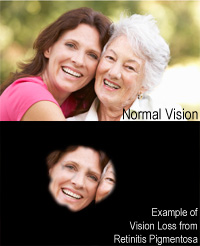
 Retinitis pigmentosa (RP) is an eye disease that can cause serious vision loss, and it is usually inherited. Its symptoms can begin at any age and include reduced peripheral vision (tunnel vision), night blindness, difficulty adapting to changes in light levels, and eventually, blindness. RP is a type of retinal dystrophy that results in progressive degeneration of rod photoreceptor cells. While this disease is degenerative, much can be done to reduce or delay its effects.
How Retinitis Pigmentosa Is Diagnosed
Any changes in vision should be reported to an eye doctor immediately. Initially, RP patients may notice gradual changes in peripheral vision — the vision to the sides, top and bottom of the field of vision. Any symptoms Continue reading “Natural Eye Care’s Retinitis Pigmentosa (RP) Complete Overview”
 Medical marijuana, or cannabis, is being legalized in more and more American states. For more than 40 years, the effect of medical marijuana on glaucoma has been studied. As cannabis becomes more accessible — and legal — glaucoma patients are becoming more interested in how this drug could help with their condition.
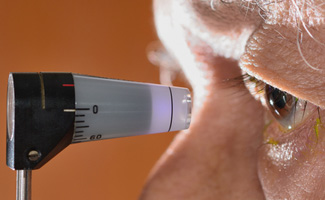 Several different types of glaucoma are the leading cause of blindness in the US[1. https://www.glaucoma.org/glaucoma/glaucoma-facts-and-stats.php Glaucoma Research Foundation], and yet many cases of glaucoma begin without symptoms. Half of the 3 million-plus Americans who have glaucoma have been diagnosed.[2. The Eye Diseases Prevalence Research Group, Archives of Ophthalmology, 2004; Prevent Blindness America] Glaucoma can affect anyone, but it is especially prevalent in persons over age 60. Everyone should have regular eye exams throughout their lives to screen for glaucoma, especially a dilated eye exam. Glaucoma tends to run in families, but anyone can get it.
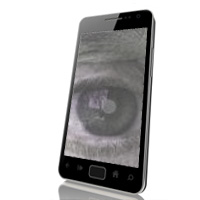 People in developing countries can face huge hurdles getting cataracts correctly diagnosed and treated. A new smartphone app called “Vula” helps diagnose cataracts using a photograph. A routine and very short cataract surgery can then be scheduled. This app is helping overcome barriers to treating this very common source of vision impairment and blindness.
 With cataracts affecting nearly 22 million Americans, it’s not surprising that most of us know people who have had cataract surgery. We may even be contemplating cataract surgery for ourselves. Since cataracts are almost never a medical emergency, you should feel entirely comfortable taking the time to learn more about cataracts and explore all your options.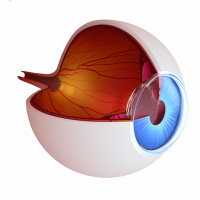
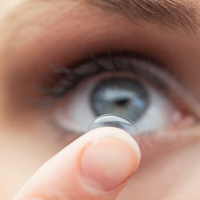 A biodegradable contact lens is being developed that would administer glaucoma medication and then disappear. The problem with eye drops is that they slip out of the eye and much of the medication is lost. This contact lens, designed by Mridula P. Menon in India, uses a nano-carrier loaded with the glaucoma drug acetazolamide that is dissolved in a transparent vinyl polymer.
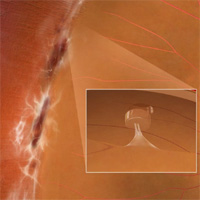 When our far peripheral retina, which is responsible for our extreme side vision, becomes weak and thin, its most common form is called “
 Lattice degeneration’s development is often found only as a doctor examines the eyes in peripheral retinal exams or for other conditions. It doesn’t affect central vision or cause noticeable symptoms, although the patient may notice many sudden floaters, light flashes, or loss of peripheral vision.