
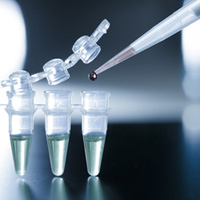
 A new method has been studied for turning cells into multipurpose stem cells. The technique, which exposes cells to a mild acid bath, may present a more efficient source of stem cells than those currently in use. While this method was only performed in a study with mice, the hope is it can be reproduced with human cells in the future.
The new method was tested by researchers in Kobe, Japan and in Boston. To achieve pluripotency, Continue reading “New Method for Creating Stem Cells”
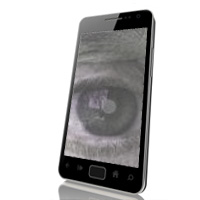 People in developing countries can face huge hurdles getting cataracts correctly diagnosed and treated. A new smartphone app called “Vula” helps diagnose cataracts using a photograph. A routine and very short cataract surgery can then be scheduled. This app is helping overcome barriers to treating this very common source of vision impairment and blindness.
 With cataracts affecting nearly 22 million Americans, it’s not surprising that most of us know people who have had cataract surgery. We may even be contemplating cataract surgery for ourselves. Since cataracts are almost never a medical emergency, you should feel entirely comfortable taking the time to learn more about cataracts and explore all your options.
 Researchers have found that there is a correlation between a larger brain volume and higher levels of omega-3 fatty acids. This suggests that the typical loss of brain cells and volume that occurs with age can be slowed with diet changes and supplements to increase omega-3 intake.
 Many advances in technology that could improve the lives of blind people are on the horizon. Solutions that were thought impossible not long ago are now becoming a reality for many patients suffering from retinal diseases. Treatments such as gene therapy, stem cells, and bionic retinas have shown that vision loss can in fact be reversible.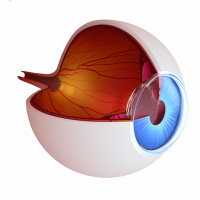
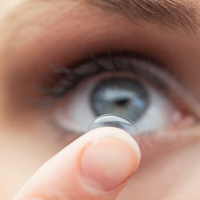 A biodegradable contact lens is being developed that would administer glaucoma medication and then disappear. The problem with eye drops is that they slip out of the eye and much of the medication is lost. This contact lens, designed by Mridula P. Menon in India, uses a nano-carrier loaded with the glaucoma drug acetazolamide that is dissolved in a transparent vinyl polymer.
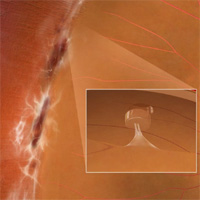 When our far peripheral retina, which is responsible for our extreme side vision, becomes weak and thin, its most common form is called “
 Lattice degeneration’s development is often found only as a doctor examines the eyes in peripheral retinal exams or for other conditions. It doesn’t affect central vision or cause noticeable symptoms, although the patient may notice many sudden floaters, light flashes, or loss of peripheral vision.