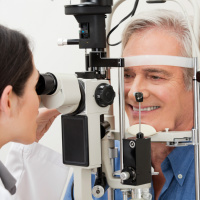
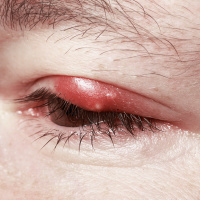
 According to market research by Persistence Market Research, the global market for ophthalmic devices is predicted to increase significantly by 2020. The prediction is based on information from a number of geographic locations, including the United States and countries in Europe and Asia. Increasing prevalence of eye disease contributes to the ophthalmic devices market, which includes vision care, diagnostic, and surgery devices.
Higher incidence of common eye disorders such as age-related macular degeneration, diabetic retinopathy, cataracts, and glaucoma are leading more and more patients all over the world to seek out treatment for vision loss. Aging populations, lifestyle-associated diseases (such as diabetes or high blood pressure), and government healthcare Continue reading “Ophthalmic Devices Market Will Increase Globally”
 Donated eyes from the dead may be the key to giving sight back to the living. Researchers have found that cells from the back of the eye may be taken from donated eyes and used to repair the eyes of the blind. Human cells have successfully been used to restore some sight to blind mice, with human trials set to begin in the next three years.
 Vision is the sense most heavily relied on by modern, technological society. Hearing may come in as a close second, but even without a sense of hearing, we could still navigate most electronics. Without our eyes, that becomes a laborious task. But what, exactly, are the screens we look at so much, doing to our eyes?
 Everyone is sensitive to light to some degree, but light sensitivity, or photophobia is an abnormal intolerance for light. Discomfort can be experienced from light sources such as sunlight and fluorescent or other artificial lights. It may cause the person with light sensitivity to squint or to have to close their eyes. It can cause pain and/or tears. In some cases, this may be accompanied by a headache.
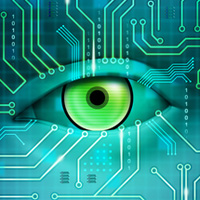
 Technology for restoring vision to the blind continues to improve with devices like the Argus II, a system of special glasses and electrodes implanted directly in the retina. While only six people in the U.S. are using the Argus II, more and more similar means of achieving “bionic eyes” are becoming available. These systems allow patients who have lost sight due to certain eye diseases to regain basic recognition of light and shapes.