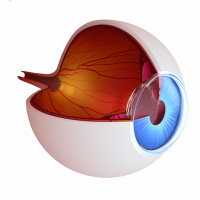
 Taking saffron pills improved the visual acuity of age-related macular degeneration (AMD) patients in a small study. Macular degeneration is the gradual deterioration of the small, yellow-colored part of the eye near the center of the retina.
Saffron contains carotenoids called crocin and crocetin. These antioxidants have been shown to have a protective effect on retinal cells. Continue reading “Saffron Helps Macular Degeneration in Antioxidant Study”
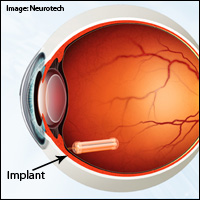 Clinical trials are underway for an implantable device that delivers medication directly to the eyes of people with
  Women with specific genes may be more likely to develop age-related macular degeneration (AMD) if they are deficient in Vitamin D, according to new research in JAMA Ophthalmology.
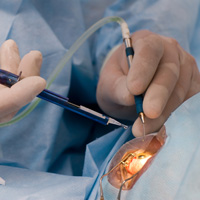 A study slated to appear in the peer-reviewed American Journal of Ophthalmology found that cataract surgery does not appear to worsen pre-existing wet AMD (age-related macular degeneration). However, cataracts surgery appears to slightly change the anatomy of the eye, which might make AMD patients more susceptible
  Future treatments for macular degeneration (AMD), Stargardt’s disease, and retinitis pigmentosa may include bone marrow stem cell injections, if a new line of eye research pans out. A preliminary pilot study on six subjects with one of several ischemic eye diseases found that most patients had vision improvement after receiving injections of their own bone marrow.
 Scientists have partially restored sight in blind mice using a protein to repair damaged cells in the retina. These experiments may ultimately lead to treatments that restore sight in patients with progressive degenerative retinal diseases such as diabetic retinopathy, retinitis pigmentosa and macular degeneration.
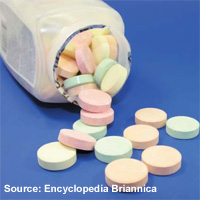 Age-related macular degeneration (AMD) has been linked to supplementing more than 800 mg of calcium per day. The link was strongest in the elderly, who suffer from AMD the most. The research was a cross-sectional study of National Health and Nutrition Examination Survey (NHANES) data. The RDA for calcium (CA) for adults is 1,000 mg; 1200 mg for women over 50. However, changes to the recommended total daily intake of CA have not been suggested.