
Why is nitric oxide important for vision?
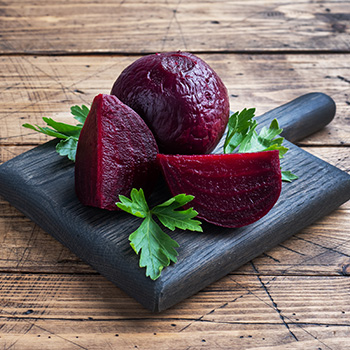
Nitric oxide, one of the principal oxides of nitrogen, is produced naturally to assist with many health aspects. It contributes to vasodilation, relaxing the muscles that line your blood vessels allowing them to widen and improve circulation. In that capacity it allows nutrients and oxygen to travel throughout the body efficiently.
As a free radical, in excess, nitric oxide (NO) contributes to inflammation, so should only be taken in recommended dosages. In a balanced system, it is beneficial and can actually reduce inflammation. And in the case of glaucoma, it can be helpful in reducing elevated eye pressure (IOP) naturally.
Note: Nitric oxide should not be confused with nitrous oxide, a gas that dentists use to help patients relax. Continue reading “Nitric Oxide Shown to Lower Intraocular Pressure Naturally”
 These powerhouses provide a great starting point for your vision nutrition. Lutein and zeaxanthin (along with mesozeaxanthin) are carotenoids, a class of mostly yellow, orange, or red fat-soluble pigments, including carotenes, which give color to plant parts such as ripe tomatoes.
 Researchers have noticed that patients with severe or fatal covid-19 are usually deficient in the amino acid and powerferful antioxidant, glutathione.
 Did you know that how well your gut works is directly related to your healthy vision and your healthy brain?

 The most common form of glaucoma is “open-angle” glaucoma, where the eye pressure or IOP remains higher than normal (typically 8-20 mm Hg). Eye doctors also look at changes in peripheral field typically measured with a visual fields test and any changes in the optic nerve such as optic nerve thinning or increased cupping. Ocular hypertension is diagnosed when IOP is higher than normal but there as no signs of glaucoma. In addition glaucoma can occur without high IOP, “normal or low tension glaucoma.”
 Mesozeaxanthin, less well-known than lutein and zeaxanthin, is the most powerful antioxidant of the threesome, but the combined trio presents the most potent protection for the eye than any of the three carotenoids alone.[1. Li B, Ahmed F, Bernstein PS. (2010-12-01). Studies on the singlet oxygen scavenging mechanism of human macular pigment. Arc Biochem Biophys. 504(1):56–60.] Out of all of the roughly 7000 carotenoids known in nature, it is these three that are found in great concentrations in the macula, the key part of the retina, responsible for central vision.
  Melatonin is a hormone primarily released by the pineal gland at night, and has long been associated with control of the sleep–wake cycle. It is typically taken at night before bedtime as a supplement. In addition to melatonin’s application as a sleep aid, this supplement can also be used for lowering eye pressure — such as in cases of open angle glaucoma or glaucoma suspects. Research shows melatonin may also protect the eye’s macula by supporting the functioning of the mitochondria, the tiny “batteries” in each cell. Alzheimer’s disease appears to be linked to poor quality sleep and melatonin production; therefore, melatonin may prove to be a useful supplement and research is underway. Keep reading for details plus information about supplements available on this website.
 Glutathione is rather amazing – low levels are biomarkers for various conditions and it is a “super antioxidant.”