
 We have written extensively about how excess exposure to blue light can, over time, negatively affect vision. Not only does it affect our vision and ability to fall asleep, but it can also harm skin health, and neural pathways in the brain are affected in various ways. Continue reading “Blue Light & Your Vision (and more!)”
Category: Nutrition
Vision Empowerment – Part II
 In the article, we discussed several essential nutrients for the eye and overall health. This follow-up article focuses on several additional important nutrients: astaxanthin, PUFA’s (polyunsaturated fatty acids), and trehalose.
Bird’s Eye View
This article examines several nutrients that are important for the eyes and overall health. The nutrients come in many forms, and all represent building blocks for well-being. They are:
Astaxanthin, Omega-3 & 6 fatty acids, Trehalose
A well-rounded diet is the best source of vitamins and minerals. However, getting all the needed nutrients from food is difficult. Taking supplements is sometimes necessary to promote good health. Curious? Keep reading! Continue reading “Vision Empowerment – Part II”
What are Micronutrients?
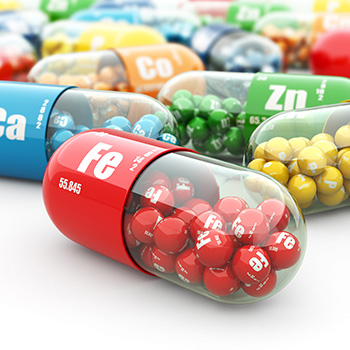 About Micronutrients
Vitamins, minerals, and other special nutrients are known as micronutrients because we only need tiny amounts of each one. However, micronutrients are essential for well-being, healthy development, and disease prevention. The human body needs nearly 30 micronutrients, but it can only produce one: vitamin D. The other micronutrients come only from food. A balanced diet, rich in fresh vegetables and fruits, provides what we need. However, getting the micronutrients from our diet is difficult if we have poor absorption or fill up on empty calories. Supplementation may be necessary to ensure we get all that we need. Continue reading “What are Micronutrients?”
All About Omega-3 Fatty Acids
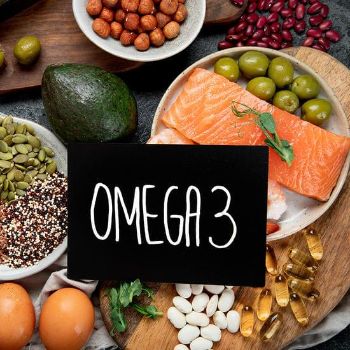 The standard Western diet, with many processed foods, white grains, fats, sugars, preservatives, and flavorings lacks essential nutrients to support the retina. These non-beneficial components aggravate inflammation in the body – an underlying, and sometimes a direct cause of illness, premature aging, and cellular degeneration.
Essential nutrients include a wide range of amino acids, minerals, vitamins, and vitamin-like nutrients. Among them, a star component of good health and good vision, are the omega-3 fatty acids.
Nutrition for Diabetic Retinopathy
 Did you know that proper nutrition and exercise can help prevent diabetic retinopathy?[1. Bryl A, Mrugacz M, Falkowski M, Zorena K. (2022). The Effect of Diet and Lifestyle on the Course of Diabetic Retinopathy-A Review of the Literature. Nutrients. Mar 16;14(6):1252.] Diabetic retinopathy (DR) is a potentially blinding complication of diabetes that damages the eye’s retina; it is a leading cause of vision loss in the world. About 10% of Americans have diabetes. One in three people with diabetes has symptoms of diabetic retinopathy. Of these, a further one-third have vision-threatening DR, including diabetic macular edema. And yet, the condition can potentially be preventable. Continue reading “Nutrition for Diabetic Retinopathy”
Nutrients & Diet for High Blood Pressure
 Did you know that untreated high blood pressure increases the risk, not only of heart attacks and strokes, but eye conditions such as advanced macular degeneration, glaucoma, and macular edema?
Studies support a target blood pressure for most people of 120/80 mm Hg, with an optimal level of 115/75 mm Hg for many people.[1. Hansen TW, Kikuya M, Thijs L, Li Y, Boggia J, et al. (2008). Diagnostic thresholds for ambulatory blood pressure moving lower: a review based on a meta-analysis-clinical implications. J Clin Hypertens (Greenwich). May;10(5):377-81.] Continue reading “Nutrients & Diet for High Blood Pressure”
CoQ10 Supports Mitochondrial Function in Every Cell
 What is CoQ10?
Co-enzyme Q10 is an essential nutrient and antioxidant found in every cell in the body. It supports and promotes mitochondrial function essential for cellular energy. It is critical for eye, brain, and heart health. Health conditions like heart disease, brain disorders, diabetes, and cancer have been linked to low levels of CoQ10.[1. Garrido-Maraver J, Cordero MD, Oropesa-Avila M, Alejandro Vega F, de la Mata M, et al. (2014). Clinical applications of coenzyme Q10. Front Biosci (Landmark Ed). Jan 1;19(4):619-33.] The highest concentrations of COQ10 are found in organs with the greatest energy demands, such as the heart, kidneys, lungs, and liver.[2. Rajiv Saini R. (2011). Coenzyme Q10: The essential nutrient. J Pharm Bioallied Sci. Jul;3(3):466-7.] It is present in large quantities in the retina and the brain.[3. Spindler M, Beal MF, Henchcliffe C. (2009). Coenzyme Q10 effects in neurodegenerative disease. Neuropsychiatr Dis Treat. 2009;5:597-610.] [4. Saini R. (2011). Coenzyme Q10: The essential nutrient. J Pharm Bioallied Sci. Jul;3(3):466-7.]
CoQ10 is essential because it supports mitochondria processes. Mitochondria are the cellular energy producers that support all cellular activity. When CoQ10 is depleted or deficient, cells throughout the body are deprived of a fundamental need. Other nutrients such as acetyl-l-carnitine, omega-3 fatty acids, vitamin E, PQQ, and alpha-lipoic acid enhance CoQ10 functioning. Continue reading “CoQ10 Supports Mitochondrial Function in Every Cell”
Melatonin Research Update
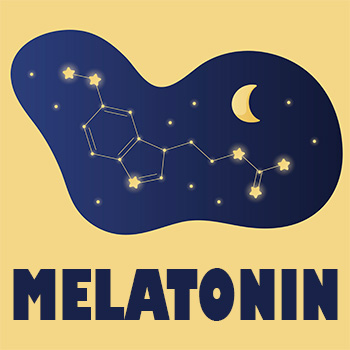 The body produces the hormone melatonin in several places, mostly in the pineal gland and the eyes. It is also produced in the gastrointestinal tract, bone marrow, skin, and white blood cells known as lymphocytes. Melatonin coordinates circadian rhythms and helps induce sleep. Research suggests the decline in melatonin levels that occurs during aging contributes to insomnia and other aging-associated conditions.
Melatonin does more than assist in balancing our circadian rhythms. New research substantiates that it helps our vision. Continue reading “Melatonin Research Update”
Benefits of Ghee or Clarified Butter
 Use Ghee Instead of Butter
Ghee has long been a staple in Indian cuisine and is quite popular in US cooking.
Ghee is a type of clarified butter. It’s more concentrated in fat than butter, as its water and milk solids have been removed. Because there are no milk solids, it does not have to be refrigerated. Ghee stays solid at room temperature and does not go rancid.
It is full of fat-soluble vitamins (A, C, D, and K) and healthy fatty acids. Ghee benefits can range from building stronger bones to enhancing weight loss. This can be especially crucial if you suffer from any conditions like leaky gut syndrome, IBS or Crohn’s, as your body may have difficulty absorbing fat-soluble vitamins such as vitamins A, E and K. Vitamin K is essential in supporting bone health. In fact, a study published in the American Journal of Clinical Nutrition looked at the diets of 2,591 adults and found that a low intake of vitamin K was associated with reduced bone mass density in women.[1. Booth SL, Broe KE, Gagnon DR, Tucker KL, Hannan MT, et al. (2003). Vitamin K intake and bone mineral density in women and men. Am J Clin Nutr. Feb;77(2):512-6.] Continue reading “Benefits of Ghee or Clarified Butter”
Three Top Nutrients for Eye Health
 Did you know that there are three nutrients that are fundamental to visual health? Why are they so important?
The top three nutrients for your eyes (and brain) are lutein, zeaxanthin, and mesozeaxanthin. Lutein, zeaxanthin and mesozeaxanthin are primarily found in the macula, that center part of the retina essential for detailed vision. They are found, not only in the macula, but in all of the retina, in the lenses, and in the aqueous humor. People with macular degeneration, other retinal diseases, and cataracts are deficient in these nutrients.
They are of the phytonutrient carotenoid category, the antioxidants that give fruits and vegetables their color: green in spinach and kale, orange in cantaloupes and oranges, and red in tomatoes. Continue reading “Three Top Nutrients for Eye Health”