
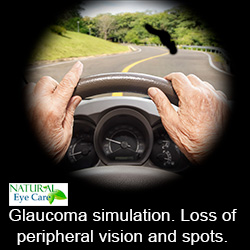
 Glaucoma is a serious eye disease with many risk factors. Some risk factors are controllable; other risks are not. The main problems with glaucoma are late detection, permanent damage, and no cure. People who skip going to the eye doctor often notice no symptoms until glaucoma is well-established. Glaucoma is often referred to as the “silent thief.” Typically, are no eye symptoms until the person notices that peripheral vision is reduced. Glaucoma is not curable but with proper treatment often very manageable. Therefore, knowing your glaucoma risks and managing them can help prevent irreversible optic nerve damage. Continue reading “How to Minimize Your Glaucoma Risk”
Category: Stress
Retinal Vein Occlusion: A Complete Overview from Natural Eye Care
 Retinal Vein Occlusion is the blockage of veins that drain blood from the retina in the eye. The eye circulatory system depends on releasing blood back to the heart after it has nourished the retina. When the vein is blocked, hemorrhaging occurs, damaging the retina. It is typically caused by atherosclerosis, a common condition especially in older people that damages the arteries. “Occlusion” means the blockage or closing of a blood vessel.
Symptoms and How Retinal Vein Occlusion Is Diagnosed
A sudden change in vision may indicate retinal vein occlusion.
- A blurred or missing area of vision is the most common, indicating a branch vein occlusion
- Less commonly, there is a severe loss of central vision, associated with a central vein becoming blocked.
Any sudden vision changes should be reported Continue reading “Retinal Vein Occlusion: A Complete Overview from Natural Eye Care”
Stress Disrupts Digestion and Impacts the Immune System
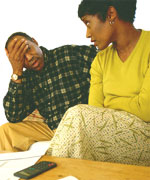
The immune system can respond to the balance of intestinal bacteria. Researchers find that stress is the main factor in the upset of that internal sense of balance.
According to scientists from Ohio State University “Stress changes the composition, diversity and number of intestinal bacteria… The communities of bacteria become less varied, and there are greater numbers of potentially harmful bacteria.”
A news release from the publishing journal Brain, Behavior, and Immunity quotes lead researcher Michael Bailey, “When we reduced the number of bacteria in the intestines using antibiotics, we found that some of the effects of stress on the immune system were prevented. This suggests that not only does stress change the bacteria levels in the gut, but that these alterations can, in turn, impact our immunity.”
The researchers go on, “Previous research has linked intestinal bacteria to conditions such as inflammatory bowel disease and asthma. Future studies need to determine whether changes in intestinal bacteria may explain why these conditions tend to become worse when people are under stress.” Source: HealthFinder.gov
Stress has also been linked to eye twitching, and dark circles under the eyes.