
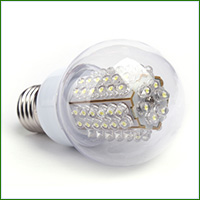
 LED light bulbs are becoming very popular, but what is their effect on the eyes? Light Emitting Diode lighting uses up to 95% less energy than their incandescent counterparts. Before replacing your home or workplace’s indoor lights with LEDs, consider two downsides:
- LEDs do not give off near-infrared radiation, which is necessary for health
- They emit large amounts of blue light, which disrupts sleeping patterns and over time can contribute to eye disease.
One of the benefits of LED lights is that they are Continue reading “Can LED Lights Damage the Eyes or Disrupt Sleep?”
 The sun sustains life, but it also can harm our eyes. Unsafe sun exposure causes or may contribute to several eye conditions and diseases. It can also cause eye injuries. Earth’s ozone layer absorbs most of the ultraviolet (UV) light from the sun, but chemicals have damaged it. Therefore, we must take extra precautions to prevent cataracts, age-related macular degeneration, ocular melanoma (eye cancer), and eye injuries such as pterygium (Surfer’s Eye), photokeratitis (snow blindness), and flash blindness. The sun is also a driving hazard when low on the horizon.
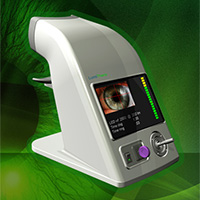 A low-level light treatment called photobiomodulation may be a future treatment for macular degeneration. A company called LumiThera is developing devices for treating vision loss. The devices expose the eye to low-level laser light or light emitting diodes to stimulate cellular function. This is called low level light therapy (LLLT). It is distinct from surgical or aesthetic laser treatments, which destroy tissue.
 Electronics have become primary obsessions in our personal and work lives. This has lead to nearly everyone becoming susceptible to Computer Vision Syndrome. Symptoms include dry eyes, eye strain, blurred vision, headaches, double vision, difficulty in concentrating, fatigue and/or and head, neck and shoulder pain.