
Untreated dry eye syndrome can cause permanent eye damage,[2. Verjee MA, Brissette AR, Starr CE. (2020). Dry Eye Disease: Early Recognition with Guidance on Management and Treatment for Primary Care Family Physicians. Ophthalmol Ther. Dec;9(4):877-88.] particularly to the cornea.
Relief for Dry Eyes
Dry eye syndrome affects up to 49 million Americans. It is an epidemic partially the result of excessive computer and cell phone use. Studies have shown that people who use computers, smart phones and tablets are at greater risk for dry eye syndrome,[1. Al-Mohtaseb Z, Schachter S, Shen Lee B, et al. (2021). The Relationship Between Dry Eye Disease and Digital Screen Use. Clin Ophthalmol. 2021;15:3811-20.] at least partially due to the fact that they blink less during computer usage, reducing the protective tear film over the surface of the cornea.
Causes of Dry Eye
Dry eyes are a condition of the entire body, not just the eyes. Women approaching or in menopause commonly suffer from dry eyes due to hormonal changes, which also contribute to internal drying.[2. Miljanovic, B., Trivedi, K.A., Dana, M.R., Gilbard, J.P., Buring, J.E., et al. (2005). Relation between dietary n-3 and n-6 fatty acids and clinically diagnosed dry eye syndrome in women. Am J Clin Nutr. Oct;82(4):887-93] The tiny tear ducts and delicate tear film require many body systems to be working correctly. Therefore, those who suffer from dry eye should consider making changes to their diet and introducing nutritional supplements. One of the most important aspects for people who suffer from dry eyes is the prohibition against sugar and artificial sweeteners. Sugar increases the risk for dry eyes. This condition has many potential causes and risk factors:
- Excessive screen time. Computer workers have low amounts of mucin 5AC, an important component of the mucus layer.
- Dysfunction lacrimal gland with reduction in essential oily secretions, or blocked ducts on the lid margin. These problems make the tear film evaporate too quickly.
- Changes in the tear film. Any disruption of the tear film can lead to dry eye. The tear film needs to have a specific composition and be distributed properly. For example, an eyelid problem can impact tear film distribution.
- Hormone fluctuations, especially in women. Dry eye is common in women who are going through major hormonal changes (pregnancy, birth control pill users, peri-menopause, menopause, and post-menopause).
- Age. Seniors naturally produce about 40% less lubrication than younger people. Free radical damage over time may be partly to blame.
- Pollution. Smoking, windy conditions, air conditioning, and allergies can contribute to dry eye.
- Contact lenses worn long-term can reduce corneal sensitivity, resulting in dry or watery eyes.
- Medications can cause dry eye as a side effect; for example, decongestants, diuretics, antihistamines, and codeine. Prescription medication side effects can include itching, stinging, burning, and redness.
- Eye surgery.
- Nerve damage from diabetes. 54.3% of diabetes patients suffer from dry eye syndrome.
- Arthritis or other auto-immune conditions such as Sjogren’s Syndrome.
- Chronic, systemic inflammation. Dry eye is a symptom of chronic inflammation. Current research points to chronic, systemic inflammation as a contributor to many diseases including heart disease, cancer, rheumatoid arthritis, obesity, type 2 diabetes, asthma, and even neurodegenerative diseases. C reactive protein in the blood is a marker for inflammation. Inflammation is part of the normal healing process, but chronic inflammation is unhealthy.
Our natural tear film is composed of:
- An outer oily layer, which keeps tears from drying up too quickly,
- A middle watery layer, which wets and nourishes eye tissue, especially the cornea, which has no blood vessels, and
- An inner mucus layer, which helps the tear film stick to the eye surface and draw moisture into the cornea.
So, when any layer of the tears is not being produced at needed levels, dry eye symptoms occur.
Nutrients that help reduce dry eye symptoms.
Vitamin A is an essential nutrient present naturally in tear film of healthy eyes. Vitamin A plays an important role in production of the mucin layer, the most innermost lubricating layer of tear film that is crucial for a healthy tear film. Vitamin A deficiency leads to loss of mucin layer and goblet cell atrophy.[4. Bron AJ, Mengher LS. (1989). The ocular surface in keratoconjunctivitis sicca. Eye. 3(4):428-437.]
Oral supplementation with essential fatty acids (EFAs) may help by reducing inflammation and by altering the composition of meibomian lipids.[5. Miljanović B, Trivedi KA, Dana MR, Gilbard JP, Buring LE, et al. (2005). The relation between dietary n-3 and n-6 fatty acids and clinically diagnosed dry eye syndrome in women. Am J Clin Nut. 82(4):887–893.] Of particular interest is research showing that many of the signs and symptoms of chronic dry eye improved relatively quickly, as early as 6 weeks.
Vitamin D (vitamin D3 recommended). Not only is dry eye syndrome associated with low levels of vitamin D, but the evaporative type of dry eye syndrome is linked to changes in cornea structure (which may be linked to vitamin D deficiency).[6. Hetty R. Sethu S, Deshmukh R, Despande K, Ghosh A, et al. (2016). Corneal dendritic cell density is associated with sub-basal nerve plexus features, ocular surface disease index, and serum vitamin D in evaporative dry eye disease. BioMed Res Int, 2016:4369750.] [7. Denurcum G, Karaman ES, Ozsutcu M, Eliacik M, Olmuscelik O, et al. (2016). Dry eye assessment in patients with vitamin D deficiency. Eye Contact Lens, Sep 22.]
Evening primrose or black current oil. Black currant oil increases prostaglandin PGE1. PGE1 is a fatty compound with hormone-like effects that stimulates aqueous tear secretion and reduces the production of another prostaglandin, PGE2, which causes inflammation that contributes to dry eyes.[8. Baudouin C. (1986). Dry eye: An unexpected inflammatory disease. Arch Soc Esp Oftalmol, 76: 205-206.]
Green tea extract. Patients with malfunctioning meibomian glands improved significantly compared to a control group when supplementing with this extract.
Maqui berry. Pilot studies and clinical trials[9. Yamashita SI, Suzuki N, Yamamoto K, et al. (2019). Effects of MaquiBright on improving eye dryness and fatigue in humans: A randomized, double-blind, placebo-controlled trial. J Tradit Complement Med. 2019 Jul;9(3):172-8.] [10. Hitoe S, Tanaka J, Shimoda H. (2014). MaquiBright standardized maqui berry extract significantly increases tear fluid production and ameliorates dry eye-related symptoms in a clinical pilot trial. Panminerva Med. Sep;56(3 Suppl 1):1-6.] show that an oral extract of maqui berry provides 72%-89% improvement in dry eye symptoms such as increased tear production and reduced dryness, discomfort, and eye fatigue.
Kidney yin tonic. The Kidney meridian helps with water metabolism throughout the body, supports overall energy, and helps with overall dryness (dry eyes, dry skin, dry scalp, etc.) The Rehmannia tonic is particularly recommended for women entering or going through menopause.
Liver tonic. In Chinese medicine the Liver “opens to the eyes” and supports overall eye health. It also helps with natural tear production. Revision formula is an excellent liver tonic.
Dietary Recommendations
Limit or avoid sugar and completely avoid artificial sweeteners. It is thought that excess sugar in one’s diet results in too much glucose making its way to the eyes, making it difficult for the eyes to utilize all the glucose. This may result in more dry eye symptoms and can cause diabetes. Know what you are putting into your body.
Avoid toxic fats in commercial red meats, dairy products, fried foods, and hydrogenated oils (such as margarine and shortening). These fats interfere with the proper metabolism of essential fatty acids in the body and, indirectly, cause dry eye syndrome.
Gut issues may contribute to dry eye. Try taking a high-quality probiotic to replenish the healthy flora in your gut, particularly if you have been on long-term antibiotics. Once your symptoms are under control, try switching from probiotics in pill form to real food ferments such as sauerkraut, pickles, miso, kefir, kombucha, kimchi, etc. Not only do they provide a greater variety of beneficial bacteria than can be found in a pill, but they contain many vitamins and minerals.
If inflammation is a contributing factor in your dry eye, then it is imperative to look at the possibility that your gut (leaky gut) may be the source of the inflammation, as well as imbalances in gut flora.
Juicing is an excellent way to deliver nutrients to your body. Our juicing recipe includes: · Parsley, beets, carrots, cucumber, tomatoes, persimmons, lemon, green-leafy vegetables, (preferably all organic
Recommended Products:
Dry Eye Package 1 – includes Women’s Tear Stimulation Homeopathic Dry Eye Drops, Dr. Grossman’s Dry Eye & Tear Film Formula 60 softgels with omega 3, 6, and 9 and our Revision Formula – based on a classic Liver tonic used in Chinese medicine.
Dry Eye Package 2 and Dry Eye Package 3 include additional components.
Any of the products in the packages can be ordered individually as well.
Tear Stimulation Forte Homeopathic Eyedrops – for men and women
Lipo Vision Drops 15ml (.5 oz) – contains a combination of castor, sesame, and coconut oils. Best used before bedtime for chronic night time dry eyes.
 Did you know that how well your gut works is directly related to your healthy vision and your healthy brain?
 Our bodies are designed to handle stressful situations, referred to as the “flight or fight” mode, wherein when we need to quickly react, the body goes into action and produces hormones that stimulate the adrenal system, raise cortisol levels, and gets our muscles instantly ready to go. Once that situation is resolved, our body has the remarkable ability to return back to homeostasis or normal balance quickly.
 Tired eyes are one of the most common complaints eye doctors get from their patients. In this era of computers and mobile devices, the average person in the United States spends about 10 hours, 39 minutes daily in screen time.[1. Howard J. (2016). Americans at more than 10 hours a day on screens. CNN, Cable News Network, 29 July 2016, www.cnn.com/2016/06/30/health/americans-screen-time-nielsen/index.html]
 With drier weather of windy fall and cold winter, added to our hours on the computer, come increased dry, burning, and itchy eyes, known as dry eye syndrome. This is the number one complaint that eye doctors hear from patients. Most of us experience it at least from time to time.
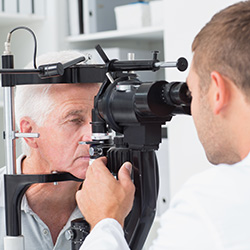 Getting a thorough eye exam has always been about more than reading letters off an eye chart. That is even truer today. One reason: We are harder on our eyes than ever before. Many of us spend hours each day staring and squinting at screens, developing digital eyestrain, and exposing our eyes to potentially damaging blue light.
 About 33 million Americans in all age groups experience varying degrees of dry eye symptoms. The symptoms may include dryness, grittiness, irritation, burning, and even the seeming contradiction of excessive watering or tearing. What are the risk factors for dry eye? Is there a treatment or cure? How can you prevent dry eye? Does dry eye reflect overall health?
 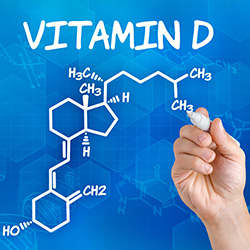 Lack of Vitamin D has been associated with eye diseases like uveitis, macular degeneration, and dry eye. Vitamin D deficiency is also linked to cancer, immune disorders, heart disease, high blood pressure, osteoporosis, bone pain, depression, asthma, multiple sclerosis, and even dementia. Shockingly, more than 40% of the US population is Vitamin D deficient. The body manufactures Vitamin D, so why is deficiency wide spread? Indoor living, aging, and many other factors are behind this virtual pandemic. How can you measure your vitamin D levels? How can you get enough? Isn’t fortified milk enough? Should you take a supplement? Which one?
  Scientists recently discovered a fat molecule that they called “palmitoleic acid”, a type of Omega-7 fatty acid. The substance appears to have special anti-inflammatory properties. Omega-7 occurs in certain fish oils and nuts. You may have heard of Omega-3 fatty acids, which come mostly from cold water fatty fish. Omega-3s reduce inflammation and heart disease risk. Omega-6 fatty acids occur in primarily in nuts and seeds, vegetable oil and grains. Omega-6 fatty acids are polyunsaturated fats. Omega-7s are monounsaturated fats, similar to olive oil. How are these types of fats different? What makes palmitoleic acid so important for preventing Type 2 diabetes and metabolic syndrome? Should you get them through food or supplements? How much should you take?