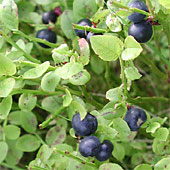
Bilberry & Pine Bark Supplement Mitrogenol Lowers IOP

Glaucoma
Image via nccam.nih.gov

A nutritional supplement comprised of a patented blend of bilberry and pine bark is marketed as Mitrogenol.  A study published in Clinical Opthamology describes a study of 79 people with raised eye pressure levels.  The intraocular pressure (IOP) of participants who took Mitrogenol decreased by 24%.  Those who took the pharmaceutical eye drop Latanoprost experienced a 28% drop in IOP.  A third group that took a combination of both remedies watched their levels go down by 40%

Researchers found that taking these products together helped lower IOP and resulted in better retinal blood flow.  It is noted that Latanoprost has been noted to cause dry eyes, eye color changes, and eyelid irritation.

Elevated IOP is often related to the onset of glaucoma.

Source: https://www.naturaleyecare.com/study.asp?num=294

An earlier pilot study also found that supplementing with bilberry and pine bark can helps lower intraocular pressure (IOP).

In this small study 20 patients who have high IOP received  bilberry and French maritime pine bark  and 18 patients were the control group.

Vision sharpness, IOP and blood flow in the eye were measured 2, 3 & 6 months later.  The researchers reported that the mean IOP was reduced and ocular blood flow improved after 2 months.  These results may constitute a safe complementary treatment for glaucoma or have preventative value.

Bilberry Purity

The compounds found in bilberries, blueberries, and huckleberries are key to preventing and treating not only Glaucoma but poor night visionmyopia macular degeneration diabetic retinopathy cataracts , and computer eye syndrome.

National Institute of Standards and Technology (NIST) is now certifying the amount organic acids available in dietary supplements formulated with Vaccinium berries, including blueberries and bilberries.   These new standards can help consumers buy products made of the berries that they advertise, rather than diluting them with less expensive juices.  Source: www.sciencedaily.com

Substantiates Earlier Research

The above research substantiates earlier Italian research looking at supplementation with bilberry and pine bark. Researchers in Italy reported that nutritional supplements of bilberry and French maritime pine bark can help reduce intra-ocular pressure (IOP).

Authors of the study from the University of Chieti-Pescara in Italy studied thirty-eight subjects with intraocular hypertension. Twenty subjects were given bilberry and French maritime pine bark; eighteen subjects were not treated. The visual acuity, IOP, and ocular blood flow were measured at two, three, and six months. After two months, the group taking the supplements showed a decrease in the mean IOP. No side effects were observed and ocular blood flow improved.

Having reviewed the results, these researchers believe that food supplements of bilberry and pine bark may represent a safe preventative intervention for lowering the risk of developing glaucoma by supporting a healthier pressure in the eyes.

SOURCE: “Effects of Mirtogenol on ocular blood flow and intraocular hypertension in asymptomatic subjects”, Robert Steigerwalt Jr., et al, Molecular Vision 2008; 14:1288-1292.
Diabetic Retinopathy Patients May Benefit From Nutritional Supplements

Diabetic retinopathy is a potentially blinding condition that affects almost 5% of diabetics. Peer reviewed scientific research has found that the following nutritional supplements may help people who are concerned about diabetic retinopathy and diabetes in general.

Chromium: 73% of type I and II diabetics who took chromium supplements reduced their requirement for insulin or oral hypoglycemic agents. Taking chromium and niacin together reduced fasting blood sugar levels and improved glucose tolerance.

Bilberry: 79% of 37 patients with visible diabetic retinal abnormalities improved after taking 160 mg of bilberry extract twice daily, compared to 0% of the placebo control group, and 86% of those with abnormalities of angiography findings showed moderate to considerable improvement.

Ginkgo Biloba: According to the following double blind study, gingko biloba can help improve diabetic retinopathy by improving the flow of blood to the brain and extremities.

Pine Bark Extract: A 2010 study suggests that pine bark extract (containing procyanidins) may be helpful to diabetics who have early diabetic retinopathy through improved retinal blood flow and lowering swelling edema.

About 40-50% of Americans who have been diagnosed with diabetes already have some stage of diabetic retinopathy, according to NIH.

Reference: Steigerwalt R, et al. Pycnogenol® improves microcirculation, retinal edema, and visual acuity in early diabetic retinopathy. J Ocular Pharmacol Therap 25:537-40, 2009.

For more studies of natural compounds that can help those dealing with diabetic retinopathy, visit our research pages.

Blueberries Can Improve Memory and Prevent Eye Disease

A new study of lab rats recently published in the journal Nutrition shows that blueberries can increase memory.

One month of a blueberry rich diet made older rats perform as well as young rats on memory tests and the benefits lasted even after they stopped eating the blueberry diet.

Researchers credit the power of antioxidants with this increase brain performance.
Source: nutraingredients

We also know that antioxidants in blueberries and their cousins the bilberry can help improve and maintain eye health.  Antioxidants can help prevent and treat macular degeneration and cataracts.

Blueberries Reduce Blood Pressure and Improve Eye Health

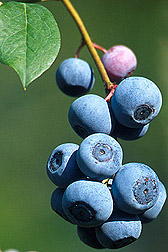
blueberries
image via USDA

A new study of rats has found that daily intake of blueberries helps reduce blood pressure in hypertensive animals.  The study, published in the Journal of Agricultural and Food Chemistry is unique in that they studied the results of eating the berry itself, not isolated compounds derived from the fruit. Source: https://mobile.nutraingredients-usa.com/Research/Blueberries-linked-to-improved-blood-vessel-health-Rat-study.

Blueberries, and their cousins bilberries and huckleberries have been found to help those with retinitis pigmentosa and diabetic retinopathy.


Can Eating Dark Chocolate Lower the Risk of Fatal Heart Attacks?

Researchers in Sweden have recently published a study assessing the long-term effects of chocolate consumption on patients with established coronary heart disease.

In the study, published in the Journal of Internal Medicine, researchers followed 1169 non-diabetic patients hospitalized with a confirmed first heart attack between 1992 and 1994 in Stockholm County, Sweden. Participants completed a questionnaire on their usual chocolate consumption over the preceding 12 months and underwent a health examination 3 months after discharge. Participants were followed for 8 years.

Participants who consumed chocolate twice a week or more were almost 70% less likely to die from future heart attacks than those who rarely ate it. This affect was not found with other sweets.

Study authors noted that this affect is found with only with dark chocolate, high in flavonoids and polyphenols, rather than milk or white chocolate.

SOURCE: Chocolate consumption and mortality following a first acute myocardial infarction: the Stockholm Heart Epidemiology Program, Janszky, et al, Journal of Internal Medicine, Volume 266 Issue 3, Pages 248 – 257

Mini-Strokes May Cause Vision Loss for Those with Normal Tension Glaucoma

The Hong Kong study of 286 people with normal-tension glaucoma found a high incidence of silent cerebral infarcts among those whose loss of vision progressed more rapidly. The finding is in the July issue of Ophthalmology.

A study of people who suffer the mini-strokes called silent cerebral infarcts could help explain the medical mystery of normal-tension glaucoma, Hong Kong ophthalmologists report.

The Hong Kong study of 286 people with normal-tension glaucoma found a high incidence of silent cerebral infarcts among those whose loss of vision progressed more rapidly. The finding is in the July issue of Ophthalmology.

Editor’s Note: Although the traditional approach to managing normal tension glaucoma is to lower intraocular pressure with glaucoma medications, the reason for the actual vision loss it still not known. This study may offer some insight into this vision loss.

We have long subscribed to the idea the vision loss for people with normal tension glaucoma is at least partially due to poor circulation to the optic nerve, and that taking nutrients and herbs that help strengthen circulation to the optic nerve and help fortify the optic nerve can help preserve vision.

Such nutrients include gingko biloba, taurine, vitamin B12, alpha lipoic acid, bilberry, lutein, zeaxanthin, grapeseed extract and omega-3 fatty acids.

For more related information, see Natural Eye Care for Glaucoma.

Bilberry: Macular Degeneration & Cataracts

Bilberry

European Bilberry (Vaccinium myrtillus)

Bilberry is one of the anti-oxidant rich fruits which are commonly recommended for vision conditions as well as being helpful for many other health conditions. It’s a common component in many nutritional formulations intending for vision.

There has been preliminary evidence that bilberries may help inhibit or even reverse macular disorders such as macular degeneration. Wikipedia points out that because they contain a lot of anthocyanin pigments (very dark blue) they may reduce risk for problems of the heart and cardiovascular system, eyes, and cancer.

Bilberry, a cousin to our native American blueberry or huckleberry, is, according to Wikipedia,

“… is a name given to several species of low-growing shrubs in the genus Vaccinium (family Ericaceae) that bears fruits. The species most often referred to is Vaccinium myrtillus L., otherwise known as the European blueberry. Other names are blaeberry, whortleberry, whinberry (or winberry), wimberry, myrtle blueberry, fraughan, and other names regionally.”

They don’t grow well domestically and so are harvested wild. Wikipedia points out, in fact, that it is a right, in most European countries to harvest bilberries anywhere, on anyone’s property, except in the owner’s own private garden. Public domain!

Why do bilberries help? Apparently primarily because they contain powerful anti-oxidants. More specifically, their flavonoids contain an unusually large amount of antioxidants. Flavonoids are organic compounds not directly involved in normal growth, but which assist in healthy maintenance, and whose lack causes problems.

An abstract in Advances in Gerontology, a Russian publication, discusses treatment of rats with cataracts and macular degeneration.
The abstract points out that:

“Bilberry’s flavonoids are known as potent antioxidants, scavenging free radicals and used for multiple age-related ocular disorders.”

The Russian researchers used rats with early senile cataract and macular degeneration. They were given a diet with 25% bilberry extract over a 1.5 to 3 month period (with vitamin E as a comparison). 70% of the rats given vitamin E had cataracts and macular degeneration, and those who received bilberry extract had none.

In one Italian study (I could not find the original research) 50 people with early cataract took bilberry extracts 3 times a day – the treatment stopped the progression of cataracts in 97% of the participants. Source: 100 Healing Herbs. Another study published in Alternative Medicine Review, 2001, mentions bilberry as a possible aid for cataracts.

Bilberry is a major ingredient of Dr. Grossman’s Advanced Eye & Vision Support Formula, and is been part of his recommended protocol for patients with macular degeneration and other macular conditions and cataracts.

Sources: https://en.wikipedia.org/wiki/Secondary_metabolite
https://en.wikipedia.org/wiki/Flavonoid
https://www.ncbi.nlm.nih.gov/pubmed/16075680
https://en.wikipedia.org/wiki/Bilberry
https://www.ncbi.nlm.nih.gov/pubmed/16075680
https://www.ncbi.nlm.nih.gov/pubmed/16294503
100 Healing Herbs, Castleman, Michael
https://www.ncbi.nlm.nih.gov/pubmed/11302779
https://www.nlm.nih.gov/medlineplus/druginfo/natural/patient-bilberry.html