Causes of Dry Eye: Make up, Hormones, Computer Use

dry eye syndrome
image by jovirakel

According to an article in Primary Care Optometry News dry eye symptoms can be caused by interactions of cosmetics.  Gregory S. Moore, OD pins the problem on the interaction of different product brands rather than the used of eye make-up in general.  He says “There’s the possibility that different brands of make-up are interacting and causing a problem.  The U.S. Food and Drug Administration only requires companies to test the brands against themselves, so you never know if what you’re using could be causing some type of chemical reaction.”  Source: https://www.pconsupersite.com

Other causes of dry eye can include hormonal changes (specifically in women) and computer eye strain.

 

Chamberbitter Fights Fatty Liver Disease

treesThe traditional Chinese medicinal herb phyllanthus urinaria, or chamberbitter, has been found to effectively fight liver fat, according to scientists at the Chinese University of Hong Kong.
Researchers say that chamberbitter reduces inflammation and fibrosis – or scarring – in the liver and that it was useful in treating mice with the liver condition non-alcoholic steatohepatitis (NASH).  NASH, also known as fatty liver disease, is associated with people who carry excessive weight around their abdomens and is becoming more common as the obesity epidemic worsens. It can lead to cirrhosis. Source: Lef Daily News

At Natural Eye Care, we believe strongly in the power of Traditional Chinese medicine and acupuncture’s potential health benefits.  One product that involves traditional Chinese herbs is Jason’s Famous Cold and Flu Formula – it’s essential as we start moving into the cold winter months.

Acupuncture Aids Weight Loss

acupuncture
Image via azacuboard.az.gov

Researchers have just released the results of a new study called “The Effects of Acupuncture on Weight-Loss in Over-Weight and Obese Adults Over 24 Years Old.”

This study has been called “groundbreaking” because it claims that 95% of the participants lost weight over the six week trial.  Even after they stopped receiving acupuncture treatments, 50% of the men and women in the study continued to lose weight.

The study’s subjects lost an average of one to two pounds per week without making any concerted changes to their diet or exercises regimens.

According to one participant, “The study helped with my energy levels and with my appetite. I now sleep soundly and wake up refreshed.” Source: https://www.lef.org/news/LefDailyNews.htm?NewsID=10370&Section=Nutrition

We believe strongly in the power of acupuncture (Natural Eye Care’s founders are both licensed acupuncturists!).  Acupuncture can also help those with allergies and sensitivities as well as diabetes.  Learn more about managing weight loss.

Beet Juice Can Help Prevent Dementia, Diabetic Retinopathy, and Eye Floaters

In our practice we are great proponents of juicing and its many health benefits. One veggie that is in many of the recipes that we recommend for specific eye conditions such as diabetic retinopathy and eye floaters is the humble seeming beet.  We have known for a long time the beet helps to improve circulation and also purifies and builds up the blood.

New research finds that the nitrates found in beet juice both widen blood vessels and increase blood flow to the brain.

In a study of 14 people over age 70 published in Nitric Oxide: Biology and Chemistry, the participants who ate a high-nitrate diet featuring beet juice showed increased blood flow to the white matter of the frontal lobes of their brains.  Dementia and other related conditions are most commonly associated with the degradation of that part of the brain.

Source: WebMD

For more information on juicing, please visit our website.

Contact Lenses: Potential Problems With Long-Wearing Silicone Hydrogels

contact lens
image by jdurham

Researchers have found that people who wear silicone hydrogel (SH) contact lenses are likely to suffer corneal staining (mild abrasions of the eye), but that these situations rarely turn into more serious corneal infiltrative events.  Corneal infiltrates are marked by eye discomfort, feeling like there is something in your eye, light sensitivity, and conjunctival hyperemia.

Factors likely to cause these more serious corneal infiltrates include smoking and the presence of bacteria on the lens.  Smoking is a factor in the development of many other eye diseases as well – including everything from dark circles under your eyes to macular degeneration.

Silicone hydrogel lenses are purported to allow more oxygen to the eye and are designed for long term use (up to 3o days in some cases).  SH lenses on the market include:  Ciba Focus Night & Day, Acuvue Oasys, and Bausch and Lomb’s PureVision lenses.

Source: Medscape

Improve Computer Eye Strain With Acupressure Self Massage

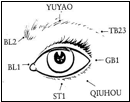
Computer eye strainAcupuncture and acupressure are ancient practices helps the energy flow smoothly through the body, enabling healing and stimulating vitality.

A simple acupressure massage can relieve computer eyestrain and the red eyes, difficulty focusing, and blurred vision that accompany it.

You can perform acupressure massage on yourself Continue reading “Improve Computer Eye Strain With Acupressure Self Massage”

5 Ways to Absorb the Most Nutrients From Food and Supplements

woman holding apple
photo by agb

You take your nutritional supplements as directed by your health care provider or as directed on the bottle, but how do you know if you are absorbing all of those vital nutrients?  You may order a beautiful salad made with organic greens, but are you getting all of those carotenoids like lutein and zeaxanthin that are essential to preventing macular degeneration and cataracts?

Here are some tips on how to ensure that you are getting the most out your food as well as those vitamins, minerals, and other therapeutic compounds intended to improve your health:

1. Reduce stress: Stress restricts the flow of blood in the body by tightening muscles, and restricting the free flow of fluids. Meditation, yoga, tai chi or even daily walks in nature can all help reduce stress significantly.

2. Eat slowly: We should be eating our food slowly and thoughtfully. Try never to eat on the run, and don’t eat while conversing, writing, doing work, etc. Make eating a special time for yourself.

3. Exercise regularly: Exercise helps the body rid itself of harmful toxins that build-up daily. Numerous studies have shown that even a brisk walk of 20 minutes per day can have a major impact in reducing development of disease such as heart disease, and has even been shown to reduce high eye pressures in cases of glaucoma.

4. Positive thinking: In Chinese medicine, excessive thoughts of anger, worry, resentment, grief and fear all have significant effects on the free flow of “energy” in the body.

5. Eat healthy food: Our bodies crave fresh food, particularly fruits, vegetables, and grains. These foods provide energy to the body in the form of vitamins, minerals, and natural enzymes. Excessive intake of “dead” food such as fast foods, or highly processed foods, requires our bodies to use its own enzymes and energy to digest food in an attempt to separate whatever limited nutrients may be available.

Update:  Also see our new article on the relationship between digestive enzymes and vision health.

Product Recall: Hyland’s Teething Tablets

mother comforting crying baby
Image via womenshealth.gov

After an October 23 Food and Drug Administration warning to consumers, the manufacturer of Hyland’s Teething Tablets, the Standard Homeopathic Company, is recalling the supplement.  The FDA recommends that parents stop administering this product and discard it.

The FDA claims that the homeopathic tablets, intended to help babies with the discomfort and irritability associated with cutting their first teeth, have varying amounts of potentially toxic belladonna.  According to the FDA, they have received “reports of serious adverse events in children taking this product that are consistent with belladonna toxicity. An ongoing FDA inspection at the manufacturer indicates substandard control of the manufacturing operation.”

The FDA recommends that consumers contact their health care professional if their child experiences the following symptoms after taking Hyland’s Teething Tablets: a depressed level of consciousness, seizure, difficulty or slowed breathing,  lethargy, sleepiness, muscle weakness, skin flushing, constipation, difficulty urinating, or agitation.


Source:  https://www.fda.gov/ForConsumers/ConsumerUpdates/ucm230762.htm

According to Hyland’s website, though the FDA does state that adverse events have been reported, the government organization does not claim there is a conclusive link between these symptoms and the intake of these teething tablets.  Hyland’s says “After in-depth analysis, a comprehensive review of the company’s adverse event report log, and more than 85 years of safe usage, the company is confident that Hyland’s Teething Tablets are safe for infants and toddlers.”  Hyland’s will be changing its packaging standards, however, since the FDA’s warning also included a note about the possibility of accidental overdose due to lack of childproof packaging.  For more: https://www.hylands.com/news/hylands-teething-recall.php

Smoking Increases Risk of Alzheimer’s, Cataracts, and Macular Degeneration

no smoking sign
via blog.usa.gov

We recommend that anyone interested in enjoying healthy eyes quit smoking because it has been linked to eye diseases including cataracts and macular degeneration. Here’s another reason to quit smoking: cigarettes increase your chance of developing Alzheimer’s disease by over 150%.

Though researchers are not exactly certain of why smoking can lead to Alzheimer’s and vascular dementia, it may have something to do with the fact that smoking causes inflammation and oxidative stress, both of which are known markers for Alzheimer’s.

The study, published in the Archives of Internal Medicine, followed over 21,000 Californians over three decades.  Source: livescience.com

A non-smoking lifestyle marked by other healthy choices related to diet, exercise, and stress management are the key to eye health and overall health.  Learn more about the Vision Wellness Protocol.

Learn more about how understanding and managing Alzheimer’s naturally.

Natural Ways to Fight “Old Eyes” or Presbyopia


People who develop presbyopia (from the Latin, meaning “old eyes”) have difficulty focusing on close objects because the crystalline lens of the eye loses its flexibility.  Though it may seem to happen suddenly, this change in vision takes place over many years.  Signs of presbyopia include the tendency to hold reading materials at arm’s length, blurred vision at normal reading distance, and eye fatigue along with headaches when doing close work.

The American Society of Cataract & Refractive Surgery (ASCRS) is aiming help patients and the public better understand presbyopia.  They have introduced the new term “Age-Related Focus Dysfunction” to “medicalize” the condition.  The ASCRS  has a very different perspective on eye health than we do at Natural Eye Care, and while they seek to educate the public about surgical options for dealing with “short arm syndrome,” we would emphasize the ways in which healthy lifestyle and diet choices can keep eye young and flexible.

It’s important to realize that deteriorating eye sight is not inevitable just because you have celebrated forty-five birthdays or more.

To combat presbyopia, we recommend a combination of visual therapy, nutrition, and lifestyle changes to help slow down the progression of farsighted vision and possibly even improve vision. Genetics, stress, diet, and even personality type all play a role in the deterioration of vision and the onset of disease. Certain nutrients including lutein, zeaxanthin, vinpocetine, l-lysine can be very helpful.

A good place to start is with eye exercises that can help to bring energy and blood to the eyes, thereby helping to drain away toxins or congestion to the eyes.

There are surgical options out there, with more coming down the pike all the time, but why not improve your diet (leafy greens, whole grains, no transfats), quit smoking, cut back on alcohol, start an exercise (20 minutes per day of aerobic activity is a great start), and take up a relaxation practice (yoga, meditation, etc.)?

Presbyopia Affects Women the Most

Research focused on individuals in the developing world is showing that presbyopia affects men and women at different ages and in different ways.

A number of studies have revealed that women are more likely to suffer from presbyopia across the world – in Ghana, India, and Brazil.  Due to economics, women are also less likely to be able to obtain glasses than men.  For example, in a study of people with presbyopia in Tanzania, only 6% with the condition had glasses and nearly all of those were men.

While this condition is often associated with difficulties associated with reading and writing, in many parts of the world presbyopia interferes with other essential daily tasks like “lighting and adjusting lamps, winnowing grain, sorting rice, weeding, sewing, cooking food, and dressing children.”

Source: Community Eye Health Journal

Multifocal Contact Lenses for Presybyopia: A problem

Multifocal contacts lenses are often prescribed to people with presbyopia and have been linked to problems with driving at night.

An article published in Investigative Ophthalmology & Visual Science describes how people wearing the lenses have a harder time recognizing road hazards.  Though the subjects could read the road signs, they had to be closer to see them clearly than when they were wearing glasses.

Researchers hope that their findings will help move manufacturers to improve the optical quality of their multifocal lenses.

Source: https://www.medicalnewstoday.com

Learn more about presbyopia.