
Exercise Supports Eye Health – A New Perspective on Stretching

woman exercising
Image courtesy of healthysd.gov

At Natural Eye Care, we know that exercise is a vital part of keeping both the eyes and the entire body healthy.  Exercise is a key part of our prevention protocol and essential to anyone who wants to preserve their sight and avoid developing such diseases as glaucoma, macular degeneration, diabetic retinopathy, or cataracts.

A story aired on NPR talks about how that old pre-exercise stretching routine you have been doing for years may not be effective when it comes to warding off injuries.

A study published in the Journal of Strength and Conditioning Research found that “competitive runners are less efficient after static stretching.”

According to a coach interviewed in the same story, consider an alternative to the “bend and hold” style of stretching – a repetitive set of 2 to 3 second stretches called “active isolated stretching.”

 

Warnings Against Decorative, Non-Prescription Contact Lenses

decorative contact lenses
Image courtesy of fda.gov

It’s October and Halloween is around the corner and that means that many people are going to want to do something to change their appearance.  This year, wear a great mask instead of trying out decorative contact lenses.

The Food and Drug Administration has issued many warnings against buying illegitimate over-the-counter contact lenses.  Even non-corrective lenses are monitored by the FDA out of concerns for public health.  According to the FDA, “Unauthorized contact lenses of all types present risks to the eye that include corneal ulcers, corneal abrasion, vision impairment, and blindness.”

The American Optometric Association has issued its own warnings.  They caution consumers that using  contacts that are not proscribed by a licensed medical professional can lead to “conjunctivitis, swelling, allergic reaction and corneal abrasion due to poor lens fit.”

For information on natural treatment options for conjunctivitis, visit our website.

It is possible to see an eye doctor to determine if you can safely wear cosmetic contact lenses and to get a proper prescription.

Dry Eyes At the Office?


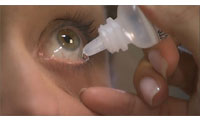
eye frops
Image courtesy of nei.nih.gov

Dry Eye Syndrome is the most common eye complaint that we hear about from our patients and clients.

A study out of Denmark surveys the causes of eye discomfort in office settings.

According to the study authors: “Ocular discomfort,” characterized by burning, dry and itching eyes is associated with the presence of aerosols and combustion products and other sensory irritating indoor pollutants.  Other factors that contribute to dry eye include prolonged periods of detailed visual tasking.  The general climate in an office – if it has low humidity, high temperature, or is drafty – will also contribute to dry eye symptoms.

Source: https://www.ncbi.nlm.nih.gov/pubmed/20833234

Self help and prevention tips for dry eye are available at our website.

Computer eye strain is also a common problem when you spend the day at a desk.

Processed Red Meat Associated with Metabolic Sydrome, Heart Disease

hotdogs
Image courtesy US Govt.

An estimated 50 million Americans have Metabolic Syndrome, which means they are at increased risk of coronary heart disease and other diseases related to plaque buildups in artery walls.  Per the American Heart Association, those with MetS suffer from: abdominal obesity, blood fat disorders, elevated blood pressure, and insulin resistance or glucose intolerance.

A new study published in the journal Nutrition, Metabolism and Cardiovascular Diseases finds that one doubles his or her risk of developing MetS if they consume high amounts of red meat, especially processed red meat.

The researchers say that this is the first study of its kind to specifically examine the consequences of eating processed red meat.  Processed meats include: hot dogs, bologna, sausage, ham, and other packaged lunch meats.

Source: Foodnavigator-usa.com

Study of Fish Oil Quality and Content

fish oil capsules
Image courtesy of nccam.nih.gov

Independent testing by a White Plains, NY firm, ConsumerLab.com, has found that 7 of 24 fish oil supplements tested exhibited quality problems.  Some products exhibited multiple issues.

  • Three products contained less of the omega 3 fatty acids EPA and/or DHA than claimed,
  • Three product were spoiled (including a children’s supplement)
  • One enteric-coated product released its ingredients too early
  • One supplement for pets exceeded the contamination limit for PCBs.

We recommend fish oil supplements highly because their Omega-3 fatty acids help improve circulation, integrity of blood vessels, proper brain functioning, flexibility and permeability of cell membranes, and helps protect the retina’s photoreceptor cells.  They help to prevent and treat such conditions as glaucoma and macular degeneration.

You can access detailed test results at ConsumerLab.com

Massage Can Boost Immune System

massage
Image courtesy of bls.gov

We all know how nice a good massage can feel, but a study published in The Journal of Alternative and Complementary Medicine shows that the benefits one session of Swedish massage can be measured on a biological level.

In a study of adults who received either the deep work of Swedish massage or light touch, those who received the real massage showed a measurable decrease of the decrease in the hormone arginine-vasopressin.  This hormone is related to regulating blood pressure and managing water retention.

Researchers believe that a massage may have a positive effect on the immune system and will undertake further study to determine how massage benefits the body.

Source: https://nccam.nih.gov/research/results/spotlight/090110.htm?nav=rss

Massage is a great way to manage stress, as is yoga or tai chi.  Have a look at our Vision Wellness Protocol to learn about how reducing stress and making healthier choices can benefit your eyes, body, and mind.

Eyes Control the Internal Body Clock

sunset
Image courtesy of NOAA

Circadian rhythms – they keep our systems in balance and running on a schedule.  Our internal clocks, which control everything from sleep-wake cycles to hormones to appetite, are set according to the amount of light that enters the brain.  Until now, how this happens has largely been a mystery.

Biologists from Johns Hopkins, University of Southern California, and Cornell University have recently discovered that one of the photosensitive cells in the retina, the rods, are responsible for “setting” our internal clocks in low light conditions.

We run our modern lives largely by the clock, from the alarms that startle us out of our slumbers and herald each new workday to the watches and clocks that remind us when it’s time for meals, after-school pick-up and the like.

According to the source of this story, Medical News Today, “The study results are important because they indicate that prolonged exposure to dim or low light at night (such as that in homes and office buildings) can influence mammals’ biological clocks and “throw off” their sleep-wake cycle. Study leader Samer Hattar suggests that “one way people can mitigate this effect is to make sure to get some exposure to bright day light every day. (The exposure to brighter, natural daylight will firmly reset the clocks to a proper asleep-at-night-awake-in-the-day cycle.).

AIn addition to those ubiquitous timekeepers, though, we have internal “clocks” that are part of our biological machinery and which help set our circadian rhythms, regulating everything from our sleep-wake cycles to our appetites and hormone levels. Light coming into our brains via our eyes set those clocks, though no one is sure exactly how this happens.

The study appeared in a recent issue of Nature Neuroscience.

Sleep is vital to many eye conditions, including dark circles under the eyes and health conditions like being overweight.

Diabetes Drug Can Cause Bladder Cancer According to FDA

capsules and pills
Image courtesy of Iowa.gov

The U.S. Food and Drug Administration is examining a potential link between the diabetes drug Actos or pioglitazone and an increased risk of bladder cancer.  Patients who have taken this medication to help control their type 2 diabetes for more than two years have an elevated risk of developing cancer of the bladder, but the FDA did not announce how great this risk might be.  They have not gone so far as to tell doctors to stop prescribing it or recommending that patients stop taking it.

Learn more about the symptoms and causes of diabetes mellitus and natural diabetes treatment options.

Recycling Medical Instruments: The “Greening” of Ophthalmology

medical technician
Image Courtesy of macombcountymi.gov

European ophthalmologists are jumping on the “green” bandwagon and attempting to develop a program dedicated to the recycling and recovery of surgical instruments.

As single-use surgical instruments grow in popularity, so have environmental concerns as people consider the effect their manufacture and disposal have on the planet.  European fabricator of medical devices, Blink Medical, is working with doctors to help them recycle their equipment.  The company is taking responsibility for the collection, cleaning, and recycling of the instruments at no charge to the physicians.

As the popularity for single-use surgical instruments grows exponentially throughout Europe, concerns have been raised over the impact such devices have on the environment, particularly when it comes to their disposal.

Source: Ocula.info

What’s one way you can make a positive impact on the planet?  Eat organic foods free of the pesticides that can harm our environment and your body.  Consider the many positive health benefits of juicing and get juicing tips at our website. Juicing benefits your eyes and your health in general.

Personality Types and Cardiovascular Disease

heart with monitor line
Image courtesy of Oregon.gov

“Type D” Personality

Heart disease researchers have identified a new personality type that can influence your health.  Those with the “type-D personality” are heart disease patients who suffer from psychological distress and are more likely to experience “adverse cardiovascular events.”

The “D” does not necessarily stand for depression, though some of these individuals may exhibit symptoms of depression.  Study leader Dr Johan Denollet (Tilburg University, the Netherlands) tells heartwire “This is the type of patient that tells you everything is okay, that there are no problems, but you can sense that something is going on, something is not quite right.”  He goes on, “On the one hand, type-D people have the tendency to experience negative emotions, such as anxiety, depression, stress, and so on,” he said. “At the same time, they also score higher [on tests] measuring social inhibition. Type-D patients are more closed in social interactions and are more unlikely to disclose their personal feelings toward others and tend to feel a bit insecure. This combination makes them more liable to chronic forms of psychological distress.”

Constant stress causes increased levels of stress hormones like cortisol, which can lead to future heart attacks.  Stress can also lead to chronic inflammation, which also can contribute to heart problems.

Source: https://www.theheart.org/article/1121787.do

Stifling Anger at Work Doubles Risk

Researchers have substantiated the well understood theory that stress at work is tied to increased risk of heart disease.  In a new study reported in the Journal of Epidemiology and Community Health, scientists reported that male employees who normally stifle their resentment regarding disagreements with their boss or co-worker were more than two times as  likely to have a heart attack or die of heart disease as those workers who expressed their anger.

Both western and alternative care providers have acknowledged that there is a connection between strong emotions and heart disease.  Chinese medicine takes this a step further to recognize a strong connection between most extremely strong emotions and most diseases.  Traditional Chinese medicine recognizes that emotions play a critical role in development of disease – such as repressed anger impairing the Liver (meridian) which can result in a wide range of illnesses (such as heart disease and migraines) and eye diseases (including glaucoma, dry eyes and eye inflammatory conditions), grief affecting the Kidneys (meridians) and sadness affecting the Stomach/Spleen (meridians).

For more information on lifestyle, diet and vision, go to www.naturaleyecare.com

Positive Emotions Helpful

A 2010 study reported that happy, enthusiastic, content people are less likely to suffer from heart disease than those whose tendency is toward unhappiness and pessimism. The research is the first showing a significant relationship between heart disease and a positive outlook.

Editor’s Note: Having a positive attitude helps boost us maintain a healthy immune system. Cardiovascular disease can be a major contributor to eye disease such as macular degeneration and glaucoma.

Published: European Heart Journal, Feb. 18, 2010

At NaturalEyeCare.com we focus on the importance of managing stress in order to improve your overall health, and, by extension, the health of your eyes.  Please read more about ways in which prevention is the best medicine for ails you.