
Did you know that blinking helps prevent dry eyes?
 The most frequent complaint to eye doctors is dry eyes, known as aqueous insufficiency, meibomian gland dysfunction, or dry eye syndrome. Twenty-five percent of patients who visit ophthalmic clinics report symptoms of dry eye, making it a growing public health problem and one of the most common conditions seen by eye care practitioners.[1. O’Brien, P.D., Collum, L.M. (2004). Dry eye: diagnosis and current treatment strategies. Curr Allergy Asthma Rep. 4:314–319.]
As we age we are more likely to experience dry eye: 2.7% in people aged 18-34, but 18.6% over 75 years old. Women are twice as likely to suffer from dry eye as men. [2. Farrand KF, Fridman M, Stillman IÖ, Schaumberg DA. (2017). Prevalence of Diagnosed Dry Eye Disease in the United States Among Adults Aged 18 Years and Older. Am J Ophthalmol. 2017; 182:90.] Continue reading “Blinking – Key for Dry Eyes, Tired Eyes”
 Two-thirds of your eye comprises the vitreous, composed of about 98% water and 2% collagen, hyaluronic acid, other substances, and fibers that attach to the retina. It takes up the space between the retina and the lens and has many important functions:
 Did you know that there are three nutrients that are fundamental to visual health? Why are they so important?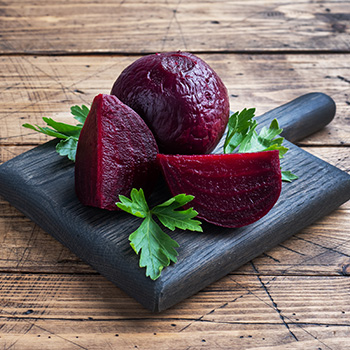
 Have you been feeling forgetful, confused, unmotivated, irritable, anxious? These may be symptoms of “brain fog,” a general term for decreased cognitive ability.
 These powerhouses provide a great starting point for your vision nutrition. Lutein and zeaxanthin (along with mesozeaxanthin) are carotenoids, a class of mostly yellow, orange, or red fat-soluble pigments, including carotenes, which give color to plant parts such as ripe tomatoes.
 Researchers have noticed that patients with severe or fatal covid-19 are usually deficient in the amino acid and powerferful antioxidant, glutathione.
 Did you know that how well your gut works is directly related to your healthy vision and your healthy brain?