
Did you know you can help your body create and maintain healthy levels of antioxidants?
Oxidative Stress Consequences
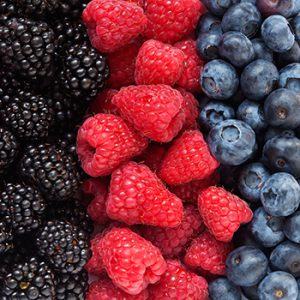
Our body is under constant stress due to the creation of free radicals. Oxidative stress, resulting from the presence of free radicals, is implicated directly or indirectly in many vision and health conditions. Some researchers consider oxidative stress to be the root of all (non-genetic driven) health conditions. With respect to vision, it is a factor in deterioration of the macula,[1. Blasiak J, Petrovski G, Vereb Z, Facsko A, Kaamiranta K. (2014). Oxidative stress, hypoxia, and autophagy in the neovascular processes of age-related macular degeneration. Biomed Res Int. 2014:768026.] the cornea,[2. Cejka C, Cejkova J. (2015). Oxidative stress to the cornea, changes in corneal optical properties, and advances in treatment of corneal oxidative injuries. Oxid Med Cell Longev. 2015:591530.] the photoreceptors,[3. Tsuruma K, Yamauchi M, Inokuchi Y, Sugitani S, Shimazawa M, et al. (2012). Role of oxidative stress in retinal photoreceptor cell death in N-methyl-N-nitrosourea-treated mice. J Phrarmacol Sci. 118(3):351-62.] retinal microcapillaries,[4. Kowluru RA, Kowluru A, Mishra M, Kumar B. (2015). Oxidative stress and epigenetic modifications in the pathogenesis of diabetic retinopathy. Prog Retin Eye Res. Sep;48:40-61.] and the optic nerve.[5. O’Hare DRL, Barlett CA, Maghzal GJ, Lam M, Archer M, et al. (2014). Reactive species and oxidative stress in optic nerve vulnerable to secondary degeneration. Exp Neurol. Nov;261:136-46.] Even for those prone to genetic diseases, free radicals can significantly worsen health conditions. Continue reading “Antioxidant Building Blocks”
 What is CoQ10?
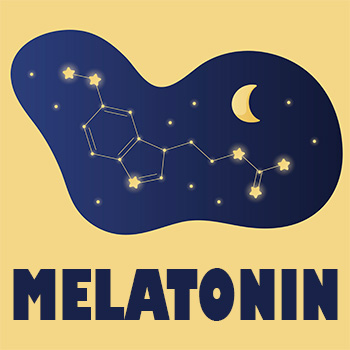 The body produces the hormone melatonin in several places, mostly in the pineal gland and the eyes. It is also produced in the gastrointestinal tract, bone marrow, skin, and white blood cells known as lymphocytes. Melatonin coordinates circadian rhythms and helps induce sleep. Research suggests the decline in melatonin levels that occurs during aging contributes to insomnia and other aging-associated conditions.
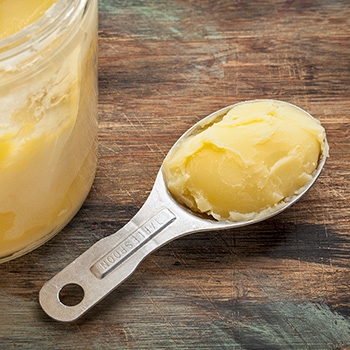 Use Ghee Instead of Butter
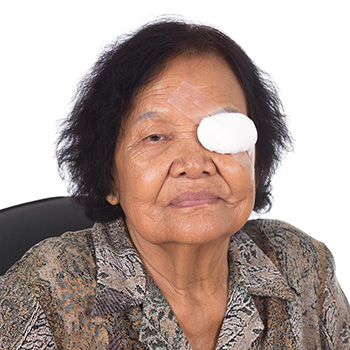 The cornea is in front of the lens. It is a clear layer, seeming to lack substance. However, it is comprised of multiple layers and groups of cells and proteins which are highly organized.
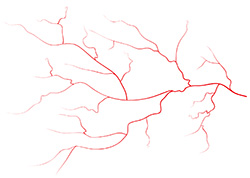 Hypertension increases sharply with advancing age; hence older persons are those most affected by its negative consequences.
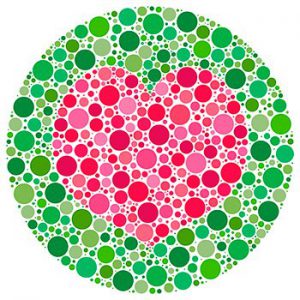 Approximately eight per cent of men and one-half of one per cent of women in the U.S. have a problem with their color perception.
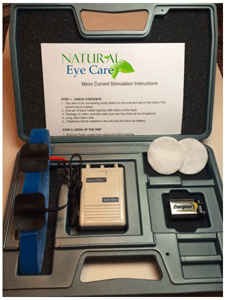 Microcurrent Stimulation treatment protocols are designed to help people with retinal disease. MCS works by supporting nourishment and healing to the back of the eyes as well as possibly some cell regeneration. Retinal tissue is easily the most complex tissue in the entire body, and we tell people that they need to commit to regular treatment for a year, because it may take up to a year before they first see results, though benefits may be seen much sooner.
 We’ve all experienced tired eyes, but did you know they are also linked to brain fog?