Green Space Lowers Risk of Myopia

family playing in green spaceMyopia on the Rise

Lifestyle changes resulting in reduced outdoor activities coupled with rapid urbanization have been associated with a huge increase in nearsightedness (myopia) across many parts of the world. Indoor activities include concentrated near-work and digital device use which results in myopia.[1. Peng BA, Naduvilath TJ, Flitcroft DI, Jong M. Is myopia prevalence related to outdoor green space? Ophthalmic Physiol Opt. 2021 Nov;41(6):1371-1381]

Myopia now appears at earlier ages, and usually the earlier it appears, the deeper the person advances into nearsightedness. Increasingly strong lenses for distance vision are required as myopia progresses. Continue reading “Green Space Lowers Risk of Myopia”

Vision Health Linked to Personality

Vision Health Linked to PersonalityUnderstanding your personality is one key to understanding your vision strengths and weaknesses.
Traditional Chinese Medicine (TCM) divides humanity into five types, based on the five elements:

        • Wood: The Controller
        • Fire: The Performer
        • Earth: The Peacemaker
        • Metal: The Critic
        • Water: The Thinker

When personality types are in balance, they function well, but when out of balance, related health and eye conditions can ensue. Continue reading “Vision Health Linked to Personality”

Iritis More Common Than We Realize

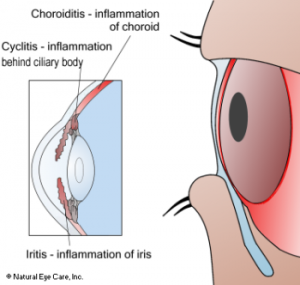
Iritis, the most common form of uveitis, is more prevalent than most people realize. What are the symptoms of this eye condition? What can you do to prevent and manage all types of uveitis? When does uveitis signal an underlying condition?

Uveitis is an inflammation of the uvea. The uvea is made up of the iris, the colored part of the eye; the ciliary body, which makes the fluid that fills the eye and flexes the eye lens; and the choroid, the layer beneath the retina.

Types of Uveitis

    • Iritis or anterior (front) uveitis. Anterior uveitis can involve the iris, ciliary body, cornea, and sclera. It is the most common type of uveitis and accounts for about 50–60% of all uveitis cases in special care clinics.[1. Albert, D.M., Jakobiec, F.A., editors. (2000). Principles and Practice of Ophthalmology. 2nd ed. Philadelphia, PA: WB Saunders Co.] Sixty-five percent of cases are related to another health condition. The remaining 35% are idiopathic (no discernible relationship to another health problem).
    • Cyclitis or intermediate uveitis. Intermediate uveitis is the least common type of uveitis, involving the area between the ciliary body and the back of the eyeball. It has been found to account for 3–17% of uveitis around the world.[2. Ibid. Albert. (2000).]
    • Choroiditis or posterior (back) uveitis. This category accounts for only 10–40% of uveitis cases. However, more visual loss results in these cases than from other uveitis forms. Such vision loss may be due to cystoid macular edema, retinal detachment, subretinal fibrosis, or optic nerve damage.[3. Jabs, D.A., Akpek, E.K. (2005). Immunosuppression for posterior uveitis Retina, Jan; 25(1):1-18.3.] Up to 50% of patients with posterior uveitis have an associated systemic disease.

Continue reading “Iritis More Common Than We Realize”

Nutrients & Diet for High Blood Pressure

walking to prevent high blood pressureDid you know that untreated high blood pressure increases the risk, not only of heart attacks and strokes, but eye conditions such as advanced macular degeneration, glaucoma, and macular edema?
Studies support a target blood pressure for most people of 120/80 mm Hg, with an optimal level of 115/75 mm Hg for many people.[1. Hansen TW, Kikuya M, Thijs L, Li Y, Boggia J, et al. (2008). Diagnostic thresholds for ambulatory blood pressure moving lower: a review based on a meta-analysis-clinical implications. J Clin Hypertens (Greenwich).  May;10(5):377-81.] Continue reading “Nutrients & Diet for High Blood Pressure”

Best Foods for Eyes & Brain

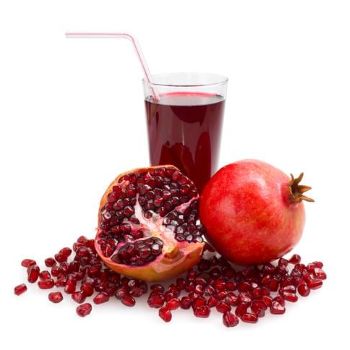
pomegranate juice for eyes and brain antioxidantThe food you eat supports your body, your eyes, and your brain.  And some foods, containing phytonutrients, enzymes, and vitamin and vitamin-like nutrients, are especially helpful. A common feature of these foods is that they contain a wealth of antioxidants.

The most powerful way to get these nutrients is through juicing. In the prevention section of our website, we discuss our favorite juicing recipes by eye condition, as well as the benefits of juicing. Continue reading “Best Foods for Eyes & Brain”

Lutein, Zeaxanthin, Meso-Zeaxanthin – An Update

Your Eyes Benefit from Lutein, Zeaxanthin, and Meso-zeaxanthin

food high in Lutein, Zeaxanthin, Meso-zeaxanthinLutein, zeaxanthin, and meso-zeaxanthin are potent antioxidants found in green leafy vegetables, eggs, corn and even chocolate. They have a profound effect on preserving healthy vision, brain function, the immune and cardiovascular systems.
New research is focusing less on the well-established understanding of local benefit from nutrients, e.g. lutein for macular degeneration or cataract, and more on its systemic benefits affecting the immune system, the brain and cognitive function, the eye, cancer, and cardiovascular health.[1. Buscemi S, Corleo D, Di Pace F, Petroni ML, Satriano A, Marchesini G. The Effect of Lutein on Eye and Extra-Eye Health. Nutrients. 2018 Sep 18;10(9):1321.] In addition, new research is focused on the “why” of the benefit of these carotenoids.

Macular Degeneration

Macular degeneration (AMD) is one of the leading causes of vision loss and blindness. Our retina is abundantly supplied with oxygen but repeated or prolonged exposure to light, especially UV and blue light, decreases long-chain polyunsaturated fatty acids (such as omega-3s) in the retina, increases certain molecular bonds (lipid conjugated dienes), and degrades the photoreceptors and retina.[2. Johra FT, Bepari AK, Bristy AT, Reza HM. (2020). A Mechanistic Review of β-Carotene, Lutein, and Zeaxanthin in Eye Health and Disease. Antioxidants (Basel). Oct 26;9(11):1046.]

Accumulated exposure to UV and blue light can cause accumulation of free radicals, oxidative stress, accelerate vision loss, and hasten breakdown of photoreceptor cells which are essential for vision. Continue reading “Lutein, Zeaxanthin, Meso-Zeaxanthin – An Update”

The Vision Diet: Food for Your Eyes

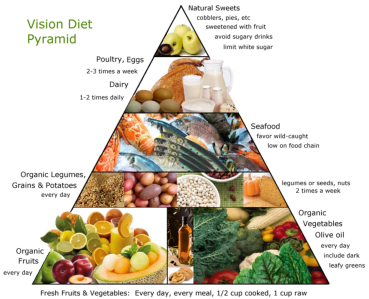
Vision Diet PyramidDiet for Better Vision and Overall Health

The standard Western diet tends to lack essential phytonutrients that support the health of the retina, as well as other nutrients such as adequate amounts of omega-3 fatty acids and a wide range of amino acids, minerals, vitamins, and vitamin-like nutrients. The standard diet features processed foods, non-whole grains, fats, sugars, and some types of meat that may aggravate inflammation in the body. Inflammation is an underlying cause, or sometimes a direct cause, of many health issues, such as arthritis. Inflammation also harms vision health.

We recommend an anti-inflammation diet based on a combination of the Mediterranean Diet and the Alkalizing Diet.

Dietary Guidelines

  • A well-balanced diet, combined with good eating habits, promotes the best possible absorption of nutrients.
  • Avoid foods containing AGEs. AGEs are biochemical compounds that form naturally within the body through enzyme reactions involving sugars, proteins, fats, or nucleic acids. If too-high levels of AGEs form, they cause oxidative damage and inflammation. AGEs are found in some foods and are formed by cooking these foods. High-heat methods of cooking meat and cheese, such as grilling, searing, roasting, and frying, hasten the formation of additional AGEs. High-fat, aged cheeses contain more AGEs than low-fat cheeses (low-fat mozzarella, cheddar, and cottage cheese). Other foods high in AGEs include butter and processed foods such as cream cheese and mayonnaise. Oils and nuts contain lower quantities.
  • Favor an Anti-inflammatory diet. Tight control of blood glucose levels and hypertension is essential to slow and manage inflammation. There are several treatments available to help control it.
  • Limit or avoid sugar and artificial sweeteners. It is thought that excess sugar in one’s diet results in too much glucose making its way to the eyes, making it difficult for the eyes to utilize all the glucose. This may result in more dry eye symptoms and can cause diabetes. 54.3% of diabetics suffer from dry eye syndrome. Know what you are putting into your body.
  • Avoid toxic fats in commercial red meats, dairy products, fried foods, and hydrogenated oils such as margarine and shortening. These fats interfere with the proper metabolism of essential fatty acids in the body and, indirectly, cause dry eye syndrome.
  • Gut issues may contribute to dry eye. Try taking a high-quality probiotic to replenish the healthy flora in your gut, particularly if you have been on long-term antibiotics. Once your symptoms are under control, try switching from probiotics in pill form to real food ferments such as sauerkraut, pickles, miso, kefir, kombucha, kimchi, yogurt, etc. They provide a greater variety of beneficial bacteria than can be found in a pill. And they contain many vitamins and minerals.

Suppose inflammation is a contributing factor in an individual’s dry eye syndrome. In that case, it is imperative to look at the possibility that your gut may be the source of the inflammation. Leaky gut syndrome and imbalances in gut flora may also be contributing. Chronic inflammatory conditions have been tied to dry eye syndrome.

Nutrition and Vision

The eyes need essential nutrients to maintain healthy vision, second only the needs of the brain. Macular degeneration is often related to the retina “starving” for essential nutrients. Glaucoma, cataracts, macular edema, epiretinal membrane, retinal tears and detachments, and other eye issues have underlying causes. Major contributing factors to eye disease are often connected to a poor diet, lack of exercise, chronic stress, and underlying inflammatory conditions. Other factors can come into play, such as genetics, being highly myopic, and exposure to environmental toxins. This represents an opportunity to take charge of our healthy vision and overall health. The body is always trying to heal, so the focus is on taking actions that support the body’s natural healing process.

The Vision Diet: A Plant-Based Diet

We believe that the Vision Diet is a healthy diet for both eyes and body. The diet consists mainly of plant-based foods, along with small portions of preferably organic, consciously produced animal products, such as free-range, grass-fed meats. Vegetarians on a strict plant-based diet need to routinely check their levels of certain nutrients that are difficult or not possible to obtain solely from plants, particularly vitamin B12, zinc, and iron.

The Vision Diet incorporates the following principles:

    1. The Alkalizing Diet avoids the foods that cause inflammation, including high amounts of processed food, refined carbohydrates, poor-quality oils, and high levels of salt.
    2. The Mediterranean Diet, for example, is alkaline and avoids processed and refined foods; it is rich in vegetables and fruit.
    3. Balanced omega-3 and omega-6. Minimize carbohydrates, particularly all refined carbohydrates (white flour, pasta, white bread and rice, and sugar).

Learn more about the Vision Diet.

Juicing

Make healthy juice in your kitchen. Choose at least four to six fruits and vegetables. Do not use too many carrots and beets due to their natural sweetness. Remember to include healthy ingredients, such as ginger, parsley, beets, cabbage, carrots, endive, green-leafy vegetables, chlorophyll, wheatgrasses, and berries. Favor organic produce. Do not use cold fruit or ice. Cold arrests the digestive fires. In the winter, you may have warm soups or stews instead.

Supplement Recommendations

Advanced Eye and Vision Support Formula – our whole food, organic, GMO free formula with lutein and zeaxanthin.

Dr. Grossman’s Meso Plus Retinal Support and Computer Eye Strain Formula with Astaxanthin 90 vcaps – with lutein, zeaxanthin, mesozeaxanthin, and astaxanthin

Dr. Grossman’s Whole Food Organic Superfood Multi-Vitamin 120 Vcaps -our organic, whole food, GMO-free multivitamin

Dr. Grossman’s Bilberry/Ginkgo Combination 2oz (60ml) – strengthens blood vessels and capillaries and are potent antioxidants.

Dr. Grossman’s Premium Turmeric Vcaps (Organic) – and GMO-free. Helps reduce inflammation.

ReVision Formula (wild-crafted herbal formula) 2 oz – wild-crafted herbal formula basic on classic Chinese formulation to promote healthy circulation and energy flow in the eyes and body.


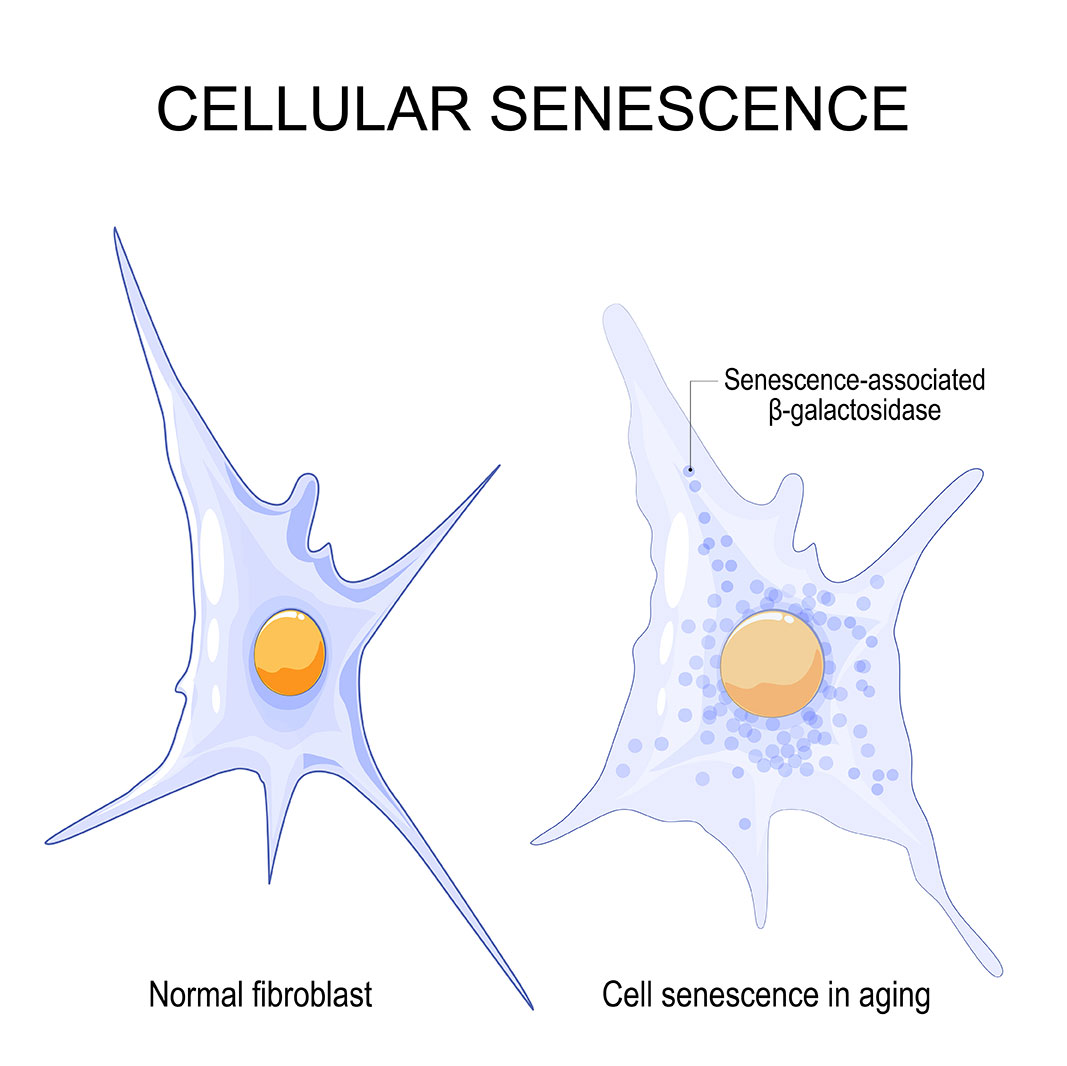
What Causes Accelerated Aging? Research on Senescent Cells

senescent cell vs normal cell
Click the picture to enlarge

Remaining energetic and healthy is generally a goal for seniors. In this article, we will look at one of the factors that cause accelerated aging — senescent cells. Damaged cells cause visible signs of aging: liver spots, gray hair, and wrinkles. Disease, injury, and other stress factors harm cells throughout our body. Increased free radical activity contributes to accelerated aging.

Ideally, the damaged cells are removed by our immune system through a process called apoptosis. Damaged cells die, are eliminated, and are replaced by new cells.  About 1% of all of our cells are replaced daily — billions of cells.[1. Fischetti M, Christiansen J. (2021). A New You in 80 Days. Sci Am. 324(4):76.] Continue reading “What Causes Accelerated Aging? Research on Senescent Cells”