Sedentary Life Has Many Hazards

sedentary life styleYour Best New Year’s Resolution is to Go For a Walk

The World Health Organization estimates that 3.2 million people worldwide die prematurely each year due to a sedentary lifestyle.  In contrast, an active lifestyle improves one′s general health and decreases the risk of chronic diseases.

Sitting long hours in many typical work scenarios increases the risk of cardiovascular disease and metabolic health risks. This sedentary time may have musculoskeletal and/or cognitive impacts on office workers. Sitting (with a relatively low energy expenditure) has the potential to result in a decline of cognitive function over time.  It is known that exercise improves cognitive function.[1. Olanrewaju O, Stockwell S, Stubbs B, Smith L. (2020). Sedentary behaviors, cognitive function, and possible mechanism in older adults: a systematic review. Aging Clin Exp Res. Jun;32(6):969-984.] Continue reading “Sedentary Life Has Many Hazards”

Cardiovascular Disease Linked to Eye Disease

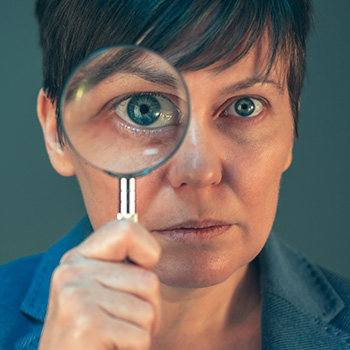
An eye exam can reveal disease

People with cardiovascular disease may be at a higher risk of developing certain eye diseases including macular degeneration, retinopathy, retinal bleeding, a retinal vein occlusion, and blurred vision.

Why is heart disease linked to eye disease?

Good vision requires, among other factors, adequate blood circulation, and normal blood pressure. The eyes have a network of tiny blood vessels, each no wider than a strand of hair, which supply blood to the retina, the light-sensitive tissue at the back of the eyeball. Continue reading “Cardiovascular Disease Linked to Eye Disease”

Aducanumab’s Serious Side Effects

brain diseaseThe FDA’s approval of aducanumab as a treatment for Alzheimer Disease in June, 2021 was controversial.  There were a number of known side effects and new information from clinical trials reveals possible serious consequences. Acucanumab was developed by Biogen and is being sold by Acumen as a $56,000-a-year treatment for Alzheimer’s. Continue reading “Aducanumab’s Serious Side Effects”

Why Does Inflammation Cause Disease?

Inflammation: Friend or Enemy?

Mix of differrent berries

When threatened, the tissues of your body respond with inflammation in order to maintain stability and permit healing. Bio-chemicals in your white blood cells increase the blood flow to the area of injury or infection causing redness, warmth, and swelling. That’s why you have a fever when sick, why your finger swells if you don’t remove a splinter promptly, or why your eyes get red and itchy when the air isn’t clean.

This is a normal process … but, and it’s a big but, when inflammation is chronic, existing all of the time, the natural inflammatory response starts to damage healthy cells, tissues, and organs.  The consequences are wide-reaching, including DNA damage, and cell death.  Chronic inflammation is implicated in the development of many diseases, including cancer, heart disease, arthritis, diabetes, dementia, cognitive decline, obesity, as well as eye diseases and conditions. Continue reading “Why Does Inflammation Cause Disease?”

The Sun and Your Eyes: Enemy or Friend?

Does Sunlight Danger Outweigh the Benefits?


Many studies demonstrate that exposure to sunlight provides protection to diseases such as hypertension, diabetes, multiple sclerosis, and a variety of cancers, and avoiding sunlight may influence their progression.[1. Razzaque MS. (2018). Sunlight exposure: Do health benefits outweigh harm? J Steroid Biochem Mol Biol. Jan;175:44-48.]  It has been thought that these protections are due only to vitamin D, whose creation requires sunlight, but researchers are now reporting that circadian clock influencing, immune response modification, and nitric oxide, melatonin, and serotonin formation are involved as well.[2. Van der Rhee HJ, de Vries E, Coebergh JW. (2016). Regular sun exposure benefits health. Med Hypotheses. Dec;97:34-37.] In fact, researchers are finding that the risk of skin cancer increases with irregular patterns of sun exposure, while regular patterns convey relatively lower risk.  This is the difference between getting sunburned versus a brisk daily walk in the sunlight.

But too much sunlight is harmful to both eyes and skin. We know that getting sunburned increases skin cancer risk. Our vision is also directly negatively impacted by the sun and ultraviolet radiation (UVR), as well as blue light from computer screens. Continue reading “The Sun and Your Eyes: Enemy or Friend?”

Mitochondria: Essential Powerhouse for Brain & Vision

Cellular organelles called mitochondria produce energy.

Why are mitochondria essential to your health and well-being?

Mitochondria are the energy batteries of our cells. They are tiny organelles within most cells of the body that provide respiration and energy. Low metabolism develops in the brain as we age and is noticeable in brain regions where mitochondrial structure has changed. [1. Hirai K, Aliev G, Nunomura A, Fujioka H, Russell RL, et al. (2001). Mitochondrial abnormalities in Alzheimer’s disease. J Neuro-sci. May 1; 21(9):3017-23.] The mitochondria attempt to replace themselves whenever they are damaged and destroyed. However, mitochondrial biogenesis can be disrupted. Mitochondrial disease, oxidative stress and free radical damage, drinking alcohol, eating a poor diet, and heavy metals can harm the mitochondria. Research on links between mitochondrial dysfunction and Alzheimer’s Disease are underway. The good news is that lifestyle and natural supplements can support healthy mitochondria functioning. Continue reading “Mitochondria: Essential Powerhouse for Brain & Vision”

Poor Night Vision: What Can You Do?

night visionPoor night vision or night blindness can be a life-limiting symptom. Night blindness can be caused by either an inherited or acquired reason. Poor night vision disorders (night blindness, impaired dark adaptation, etc.) include the experience of reduced vision in dimly lit environments, including at night. They include partial or complete impairment in ability of the eyes to adapt from brightness to darkness. It is not a disease in itself, but rather a symptom of an underlying problem, usually located in the retina. It is common for patients who are myopic (nearsighted) to have some difficulties with night vision, but this is due to optical issues rather than to a retinal condition. Symptoms include difficulty driving at night, tripping over objects when walking in the dark, and slow response when light conditions change (such as entering a dark movie theater). Photoreceptor cells in the retina allow you to see in dim lighting. When they malfunction, vision in dark conditions becomes difficult.
The photoreceptors called “rod cells” are mainly responsible for night vision. Rods can detect single photons and transmit that data to rod bipolar cells. This makes dim light information more usable to the brain. Continue reading “Poor Night Vision: What Can You Do?”

Your Eyelids: Styes, Blepharitis, and more.

eyelid Natural Treatments for the Eyelid

For mild cases of chalazion, styes, pterygium, and blepharitis, the following are ways to naturally treat these conditions. If these issues are persistent or affecting your vision, be sure to get seen by your eye doctor.

Note that our EyeEase Formula 2 fl oz is back in stock.

Stye

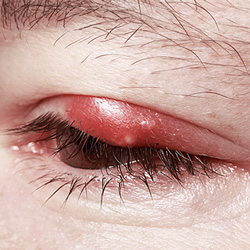
A stye is a red, painful lump near the edge of your eyelid that may look like a boil or a pimple with a white dot in the center. They are the result of a bacterial infection, often a staph infection. They’re very common and most people have one at some time. Continue reading “Your Eyelids: Styes, Blepharitis, and more.”

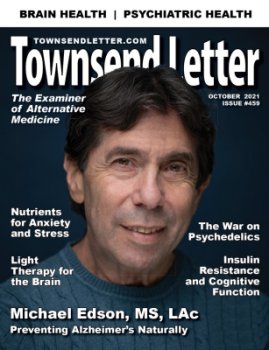
Natural Eye Care Michael Edson’s Alzheimer’s Article in the Townsend Letter

The latest Townsend Letter features co-owner of naturaleyecare.com Michael Edson, L.Ac., MS  and his article, Underlying Causes and Natural Treatments for Alzheimer’s and Dementia.

The publisher’s discussion of Michael’s article also mentions that studies report that the Tdap (Tetanus, diphtheria, and pertussis) vaccination reduces the risk of dementia by 42% with similar results for flu and pneumonia vaccines.  Both results may be due to reduced overall inflammation in the body.

Top Nutrients for the Brain

Top nutrients for the brain include: ashwagandha, CoQ10, curcumin, DHA, ginseng, gingko biloba, glutathione, lutein, resveratrol, taurine, and vitamins B2, B6, B9, B12, and D3. Interestingly, most of the essential nutrients that support healthy retina, optic nerve and overall eye health are needed in the brain as well and are allowed to pass through the blood-brain barrier.

Continue reading “Natural Eye Care Michael Edson’s Alzheimer’s Article in the Townsend Letter”

Glaucoma, IOP, and Herbal Extracts

 glaucoma aging seniors.The most common form of glaucoma is “open-angle” glaucoma, where the eye pressure or IOP remains higher than normal (typically 8-20 mm Hg). Eye doctors also look at changes in peripheral field typically measured with a visual fields test and any changes in the optic nerve such as optic nerve thinning or increased cupping. Ocular hypertension is diagnosed when IOP is higher than normal but there as no signs of glaucoma. In addition glaucoma can occur without high IOP, “normal or low tension glaucoma.”

The most common treatment for lowering eye pressure is the use of prescription eyedrops which either reduce the amount of aqueous fluid produced or increase the drainage. Often these eyedrops are effective in lowering eye pressure but do have unpleasant side effects for some people.

In some cases, medication can be avoided completely with natural approaches though it is essential that the patient get checked on a regular basis to make sure that the IOP is at recommended levels, and work closely with the eye doctor. Continue reading “Glaucoma, IOP, and Herbal Extracts”