Eggs Provide Nutrients and Ward Off Eye Disease

A new study further supports the benefits of eating eggs.

Michigan State University researchers sought to determine how eggs might be part of a healthy diet and also determine the impact egg consumption may have on cholesterol.  Egg eaters showed higher levels of such vital nutrients as vitamins B12, A, E, and C.  The study does remind us to enjoy eggs in moderation – four eggs per week is optimal.  Eating more than four eggs per week can lead to increased cholesterol.

Source: maculardegenerationassociation.org

Eating eggs can also help prevent a number of eye conditions including macular degeneration, cataracts, and glaucoma.

Vitamin C

In many parts of the world, especially in Europe and Asia, the value of vitamin C is well known.  It is considered to be an important part of routine glaucoma treatment. It lowers pressure in the eye by lessening fluid production within the eyeball and improving the circulation of aqueous humor, as toxins are removed, from the eye.  Vitamin C also improves the metabolism of collagen which is possibly an underlying cause of glaucoma.
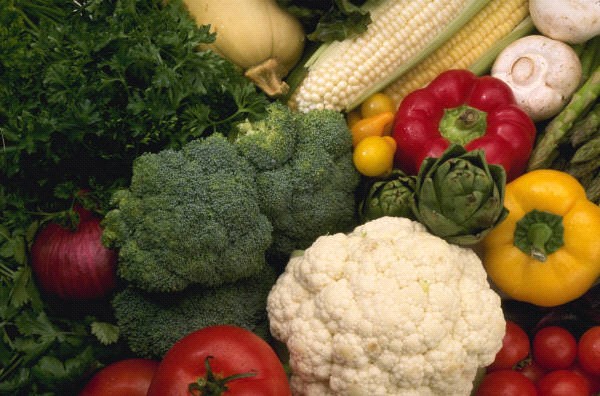
Learn more about how the nutrients in eggs and other foods can increase your eye health and overall health.

Intraocular Lenses for Cataracts: Yellow and Orange Filter UV Radiation Best

If you’re considering cataract surgery and are looking to block your eyes’ exposure to UV radiation your best bets are yellow or orange filters.  A study published in Ophthalmology, which specifically focused on intraocular lenses (most commonly used to replace the eyes’ lenses after cataract surgery), found that yellow and orange filters were best when exposed to both sunlight and artificial light.

The researchers concluded that, on the whole, most IOLs did a decent job of blocking both UVC and UVB light.

Source: Ophthalmology Times Europe

Though sometimes cataracts can be so far advanced that surgery is necessary, there is a lot you can to prevent and treat many cataracts.  Learn more at our website.

Prostate Cancer Treatment Linked to Cataracts

Hormone therapy has been proscribed to some men suffering from prostate cancer.  Unfortunately, this treatment has been linked to cataracts according to a study published in the Annals of Epidemiology.

Research shows that study participants on hormone therapy were 9% more likely to develop a cataract compared to those who were not treated with hormone therapy.  In men whose testicles had been removed the risk soared to 26%.  The study involved 66,000 prostate cancer victims.

Learn more about natural cataracts prevention and treatment at our website.

For more about drugs that can harm the eyes, have a look at this page.

Anti-Inflammatory Medications May Slow Macular Degeneration, But Are They Safe?

Macular Degeneration
nlm.nih.gov

Researchers have found that taking anti-inflammatory medication may slow the progression of macular degeneration. But, there are concerns about the safety of this “solution.”

A study published in the journal Eye describes how corticosteroids, nonsteroidal anti-inflammatory drugs (NSAIDs), immunosuppressive agents (e.g. methotrexate and rapamycin), and biologics could help those with AMD. Source www.nature.com

A caveat to the research indicates that there are concerns about the long term safety of taking such drugs.  At Natural Eye Care we are very concerned about the way that prescription and non-prescription pharmaceuticals can harm the eyes.

For example, NSAID drugs like aspirin, ibuprofen, and naproxen can cause eye hemorrhaging, glaucoma, and cataracts.

Prevent Cataracts and Auto Accidents With Good Sunglasses

Do you trade in your prescription lenses for a pair of drug store sunglasses on days when the glare is bothering you?  A new study by eyeglass lens maker Essilor of America finds that 20% of people will drive without any corrective eyewear on sunny days because they do not have prescription sunglasses.  The source for this story, www.medicalnewstoday.com, goes on to describe the importance of polarized lenses, especially when driving in high-glare situations.

Protecting your eyes from the sun is a key part of our eye disease prevention protocol. Cataracts can be caused by exposure to sunlight, so always remember your sunglasses with 100% UVA and UVB protection whenever outside in the sun.

Healthy Lifestyle Prevents Stroke, Cataracts, Macular Degeneration, Glaucoma

Stroke, Cataracts, Macular Degeneration
image via doh.sd.gov

A healthy lifestyle can reduce your risk of stroke by up to 80%.

Research published in the journal Stroke encourages people to exercise regularly, drink alcohol only in moderation, eat plenty of fruits and veggies, control weight, and not smoke in order to avoid stroke.

These guidelines are the same that we recommend when it comes to avoiding vision conditions like cataracts, glaucoma, macular degeneration, and diabetic retinopathy.

Moderate Alcohol Use

There’s another piece of evidence that suggests moderate drinking – one or two alcoholic beverages each day – can be beneficial for the eyes.

A study of over 3,600 Australians found that when the figures were adjusted to account for other factors (including age, smoking, and diabetes), people who had one or two drinks each day were 50% less likely to have cataract surgery.  The moderate drinkers were less likely to require surgery for cataracts than counterparts who drank more as well as those who did not drink at all.

Source: https://www.osnsupersite.com

Read more about how prevention is the best medicine to ward off eye disease and other conditions that jeopardize your well-being.

When Cataracts Surgery Doesn’t Work: Know the Risk Factors

Sometimes cataracts surgery is inevitable, but before you consider such a procedure you should be aware of certain risk factors that may decrease the effectiveness of surgery.

A study published in Ophthalmology describes how Afro-American patients are less likely to have success with cataracts removal surgery.

If you have had previous ocular surgeries you are also likely to experience complications.

Source: Medscape

Prevention is the best medicine.  Learn how to prevent cataracts at our website.


Tips and Warnings If You Must Take Antibiotics

Antibiotics
image via blog.usa.gov

The discovery of antibiotics was a miracle of a kind, but the wonder drugs are not without their drawbacks.

Antibiotics have been associated with dry eye syndrome, eye hemorrhaging, cataracts, and light sensitivity.  Learn more about how antibiotics and other drugs side effects can pose a risk to the health of your eyes.

If you really do need to take antibiotics, you should also think about your diet and how the foods you eat can affect the effectiveness of the drugs.  Remember that antibiotics can wipe out essential vitamins like B and K, so consider a supplement to give yourself a boost.  Don’t take antibiotics at the same time as iron and calcium rich foods because they inhibit the body’s ability to absorb the medication.  Cut back on acidic foods like citrus, chocolate, and tomato based products for the same reason.

Source: LefDailyNews

Remember to take a probiotic and eat plenty of yogurt (preferably goat yogurt) to keep your internal flora thriving through the course of antibiotic use.

5 Ways to Absorb the Most Nutrients From Food and Supplements

woman holding apple
photo by agb

You take your nutritional supplements as directed by your health care provider or as directed on the bottle, but how do you know if you are absorbing all of those vital nutrients?  You may order a beautiful salad made with organic greens, but are you getting all of those carotenoids like lutein and zeaxanthin that are essential to preventing macular degeneration and cataracts?

Here are some tips on how to ensure that you are getting the most out your food as well as those vitamins, minerals, and other therapeutic compounds intended to improve your health:

1. Reduce stress: Stress restricts the flow of blood in the body by tightening muscles, and restricting the free flow of fluids. Meditation, yoga, tai chi or even daily walks in nature can all help reduce stress significantly.

2. Eat slowly: We should be eating our food slowly and thoughtfully. Try never to eat on the run, and don’t eat while conversing, writing, doing work, etc. Make eating a special time for yourself.

3. Exercise regularly: Exercise helps the body rid itself of harmful toxins that build-up daily. Numerous studies have shown that even a brisk walk of 20 minutes per day can have a major impact in reducing development of disease such as heart disease, and has even been shown to reduce high eye pressures in cases of glaucoma.

4. Positive thinking: In Chinese medicine, excessive thoughts of anger, worry, resentment, grief and fear all have significant effects on the free flow of “energy” in the body.

5. Eat healthy food: Our bodies crave fresh food, particularly fruits, vegetables, and grains. These foods provide energy to the body in the form of vitamins, minerals, and natural enzymes. Excessive intake of “dead” food such as fast foods, or highly processed foods, requires our bodies to use its own enzymes and energy to digest food in an attempt to separate whatever limited nutrients may be available.

Update:  Also see our new article on the relationship between digestive enzymes and vision health.

Cataract Surgery Does Not Increase Retinal Detachment Risk In Myopic People

People with severe myopia (nearsightedness) run a higher risk of experiencing retinal detachment.

A retinal detachment is a separation of the retina, the nerve cell layer, from the outer layers of the eye. The detachment might be small and relatively innocuous.  In much more serious cases, the entire retina could detach; immediate medical care is necessary to prevent blindness.  The sudden appearance of eye floaters and flashes in one’s vision are indications that the retina has detached.

A recent study out of Berlin, Germany indicates that highly myopic people who have had cataract surgery are not necessarily more likely to suffer spontaneous retinal detachment.  Researchers intend this study to help inform highly myopic considering cataract surgery that their already elevated risk of retinal detachment is not increased by the cataract removal procedure.

Source: osnsupersite