Eye disease and aging generally go hand-in-hand. That means that more people are likely to need surgery for cataracts, but that also means that those same patients are likely to suffer from other conditions like macular degeneration, glaucoma, and diabetic retinopathy. According to the OSN Supersite, this changes the ways that doctors counsel their patients and how they proceed with treatment plans, especially in relation to cataract surgery.
Some sources say that the risk of AMD decreases after one undergoes cataract surgery, but no conclusive scientific studies on the topic have yet been published.
Avoid Multifocal IOL Implants
According to Rosa Braga-Mele, MD, FRCSC, OSN Cataract Surgery Section Editor, people with AMD should probably avoid multifocal IOL implants (lenses intended to help you live without glasses because nearsightedness and farsightedness are meant to be corrected). Dr. Braga-Mele says that these lenses are not ideal for cataract surgery patients with AMD “because of the fact that contrast sensitivity is decreased with a multifocal implant and contrast sensitivity is already decreased” when people have macular degeneration. Source: “Cataract surgery with comorbidities requires careful surgical management” at osnsupersite.com.
Manage Your AMD
It is especially important that those who suffer from cataracts as well as macular degeneration manage their AMD. Take natural approaches to preventing the deterioration of your sight due to AMD by eating well, wearing UV protection sunglasses, reducing stress, and taking high quality supplements as described in our “self-help” protocol.
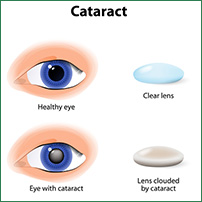 A large study has found no association between prior cataracts surgery and the development of Age-Related Macular Degeneration (ARMD).[1. Association between Previous Cataract Surgery and Age-Related Macular Degeneration. Taylor & Francis. Rim, Tyler Hyungtaek; Lee, Christopher Seungkyu; Chul Lee, Sung; Kim, Sangah; Kim, Sung Soo; Society, Epidemiologic Survey Committee of the Korean Ophthalmological Retrieved: 16 24, May 05, 2016 (GMT)] This study supports the long-term safety and low possibility of side-effects from replacing a cataract-damaged lens with an artificial lens.
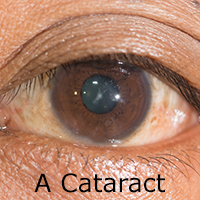 In the United States, cataract surgery is widely available. Cataracts mostly affects seniors. Even though the surgery is common with little risk of side-effects, some patients want to hold off on the surgery or avoid it completely. Preliminary research on certain eye drops designed to address cataracts may offer hope to these patients.
 Antioxidants have been studied as a way of preventing eye diseases such as macular degeneration and cataracts. Oxidative damage (free radical damage) may be a contributing cause of these diseases. People concerned about developing these problems may consider taking both dietary and supplemental
 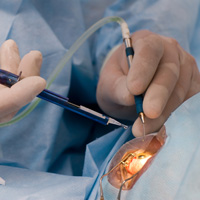 A study slated to appear in the peer-reviewed American Journal of Ophthalmology found that cataract surgery does not appear to worsen pre-existing wet AMD (age-related macular degeneration). However, cataracts surgery appears to slightly change the anatomy of the eye, which might make AMD patients more susceptible
 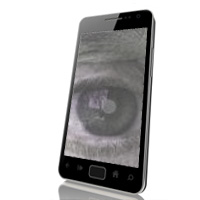 People in developing countries can face huge hurdles getting cataracts correctly diagnosed and treated. A new smartphone app called “Vula” helps diagnose cataracts using a photograph. A routine and very short cataract surgery can then be scheduled. This app is helping overcome barriers to treating this very common source of vision impairment and blindness.
 With cataracts affecting nearly 22 million Americans, it’s not surprising that most of us know people who have had cataract surgery. We may even be contemplating cataract surgery for ourselves. Since cataracts are almost never a medical emergency, you should feel entirely comfortable taking the time to learn more about cataracts and explore all your options.