Risk of Retinopathy is Significant Even In Non-Diabetics

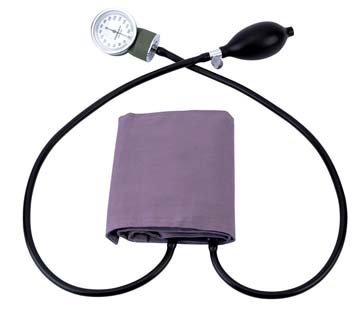
blood pressure cuff
image via blog.usa.gov

Retinopathy (damage to the blood vessels of the light-sensitive tissue at the back of the eye) is most commonly associated with diabetes, but a new study shows that 1 in 8 people without diabetes show signs of retinopathy.

The study, published in Ophthalmology describes how retinopathy is linked to hypertension, smoking, and carotid artery disease – all common risk factors for the development of cardiovascular disease.

One study author states that “controlling blood pressure and vascular risk factors may reverse retinopathy.”  Researchers hope that their findings will help health practitioners and patients become more aware of the risk of retinopathy in those who do not show signs of diabetes.

Source: Medscape
Learn more about controlling blood pressure naturally.

Omega Fatty Acids Treat Macular Degeneration, Retinitis Pigmentosa, Diabetic Retinopathy

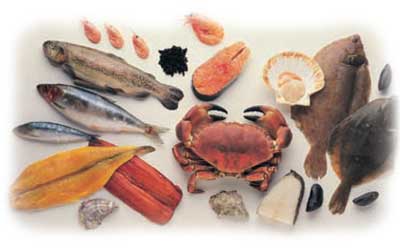
seafood
image via FDA

Scientists are continually evaluating the powerful compounds found in omega-3 fatty acids to determine further ways they can be used to make us healthier.

A study published in the Journal of the American Medical Association sought to find out whether taking omega-3 supplements could help those who suffer from atrial fibrillation (irregular heartbeats caused by the upper chambers of the heart beating out of sync with the upper potentially leading to a stroke).  In this case, the researchers did not find that taking omega-3 supplements over six months helped decrease instances of atrial fibrillation.  Source: https://jama.ama-assn.org/cgi/content/short/304/21/2363?rss=1

But, there have been numerous other studies that have shown how omega fatty acids can be very beneficial, specifically to those suffering from macular degeneration, retinitis pigmentosa, and diabetic retinopathy.

For more research on the eye and overall health conditions that you are most concerned about, visit our research index.

When Cataracts Surgery Doesn’t Work: Know the Risk Factors

Sometimes cataracts surgery is inevitable, but before you consider such a procedure you should be aware of certain risk factors that may decrease the effectiveness of surgery.

A study published in Ophthalmology describes how Afro-American patients are less likely to have success with cataracts removal surgery.

If you have had previous ocular surgeries you are also likely to experience complications.

Source: Medscape

Prevention is the best medicine.  Learn how to prevent cataracts at our website.


Cinnamon Helps Fight Diabetes

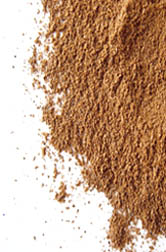
cinnamon
image via: www.ars.usda.gov

One of the favorite spices of the season could help fight diabetes.

Researchers publishing in Diabetic Medicine have found that taking two grams of cinnamon per day for twelve weeks can lower blood pressure and reduce blood sugar levels in those with type 2 diabetes.  Study authors warn that there have been no tests of long term safety and effectiveness of taking cinnamon as a supplement in the long term, but they are optimistic.

Source: Nutraingredients

For more on the related condition, diabetic retinopathy, visit our website.

Glaucoma and Alzheimer’s: Plaque Is A Potential Connection


Alzheimer's patient
image via www.cdc.gov

Glaucoma refers to any condition that causes damage to the optic nerve, but its cause is generally unknown.  Researchers in London are establishing a potential link between the development of glaucoma and the onset of Alzheimer’s disease.

In both cases, the same “plaque” proteins are involved in the conditions’ development.  Researchers speculate that the same substances that destroy brain cells in Alzheimer’s patients also destroy the optic nerve cells of those with glaucoma. Source: https://www.lef.org/

For more information about how to treat and prevent glaucoma naturally, visit our website.


Protect Children’s Eye With Safe Gift Choices

As the holidays get closer, make sure that the gifts you give the children in your life do not endanger their eyes.

According to the U.S. Consumer Product Safety Commission toy-related injuries are on the rise; 186,000 kids under 15  went to the emergency room after toy-related incidents last year.

Prevent Blindness America offers the following tips and warnings specifically related to protecting children’s eyes:

  • Avoid toys that shoot or include parts that fly off.
  • Inspect toys for sturdiness. Your child’s toys should be durable, with no sharp edges or points. The toys should also withstand impact.  Dispose of plastic wrapping material immediately on toys as they may have sharp edges.
  • Make recommendations to family members and friends about gifts that you feel are appropriate for your child.  Be diligent about inspecting these gifts before allowing your child to play with them.
  • Inspect all toys before purchasing.  Monitor toys that your child has received as gifts to make sure they are appropriate for your child’s age and developmental level.
  • Gifts of sports equipment should always be accompanied by protective gear (such as a basketball along with eye goggles or a face guard with a new batting helmet for baseball or softball).

Narrow Angle Glaucoma: Potential Side Effect of General Anesthesia

Narrow angle glaucoma is an ocular emergency. In such cases, there is an obstruction in the drainage of the aqueous fluid due to a narrowing of the angle between the base of the iris and the cornea. The symptoms can be a sudden, painful red eye, nausea, vomiting, headache, and visual halos.

According to a study in PubMed, narrow angle glaucoma, also known as acute angle glaucoma, can be a rare, but potential, side effect of general anesthesia.  Researcher cite possible risk factors: the drugs ephedrine and nefopam administration and the prone surgical position (lying on the belly during the procedure).

Source: https://www.ncbi.nlm.nih.gov/pubmed/21081770?dopt=Abstract

Learn more about glaucoma and how to prevent and treat it naturally.

Blueberries Reduce Blood Pressure and Improve Eye Health

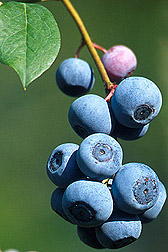
blueberries
image via USDA

A new study of rats has found that daily intake of blueberries helps reduce blood pressure in hypertensive animals.  The study, published in the Journal of Agricultural and Food Chemistry is unique in that they studied the results of eating the berry itself, not isolated compounds derived from the fruit. Source: https://mobile.nutraingredients-usa.com/Research/Blueberries-linked-to-improved-blood-vessel-health-Rat-study.

Blueberries, and their cousins bilberries and huckleberries have been found to help those with retinitis pigmentosa and diabetic retinopathy.


Tips and Warnings If You Must Take Antibiotics

Antibiotics
image via blog.usa.gov

The discovery of antibiotics was a miracle of a kind, but the wonder drugs are not without their drawbacks.

Antibiotics have been associated with dry eye syndrome, eye hemorrhaging, cataracts, and light sensitivity.  Learn more about how antibiotics and other drugs side effects can pose a risk to the health of your eyes.

If you really do need to take antibiotics, you should also think about your diet and how the foods you eat can affect the effectiveness of the drugs.  Remember that antibiotics can wipe out essential vitamins like B and K, so consider a supplement to give yourself a boost.  Don’t take antibiotics at the same time as iron and calcium rich foods because they inhibit the body’s ability to absorb the medication.  Cut back on acidic foods like citrus, chocolate, and tomato based products for the same reason.

Source: LefDailyNews

Remember to take a probiotic and eat plenty of yogurt (preferably goat yogurt) to keep your internal flora thriving through the course of antibiotic use.

Gene Responsible for Eye Cancer Discovered

Uveal melanoma is the most common type of eye cancer.  A study published in the New England Journal of Medicine describes how researchers have identified a specific oncogene (a cell that can mutate and turn a normal cell into a cancer cell) that may be related to the development of this specific cancer.  This gene was present in more than 40% of the sample tumor tissue used in the study.

This, and other genetics level research, can help scientists better understand how specific cancers work so that better therapies and treatments can be devised.  About 1500 American are diagnosed with cancer of the eye each year.

Source: https://www.medicalnewstoday.com/articles/208453.php

Learn about how to prevent eye disease with our Prevention Protocol.