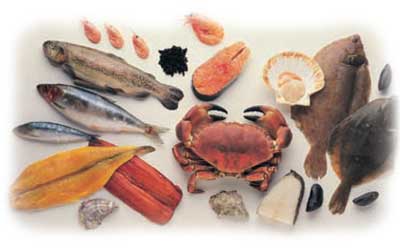
Mercury in Fish Can Increase Blood Pressure: Find Omegas in Other Sources for Heart and Eye Health

Your new year’s resolutions may well include eating better, both for the health of your heart and the health of your eyes.  The essential fatty acids found in fish can be a great addition to your diet.

In particular, omega-3 fatty acids help to reduce cholesterol and increase circulation to the retina.  Omega-6 fatty acids are important as they protect cells from degenerative changes and reduce inflammation throughout the body. Both Omega 3s and 6s help prevent and even treat glaucoma and macular degeneration.

ocean
image via noaa.gov

A word of caution about your fish intake the effect of mercury which contaminates the larger ocean predator fish (tuna, swordfish, marlin, sharks, etc): too much mercury in the body can raise your blood pressure.

Source: theheart.org/article/1010897.doc

Small fish like sardines are a safe choice, but there are non-swimming sources of essential fatty acids out there too.  Find omega-3s in flax seed oil, black current oil, walnuts and walnut oils, dark leafy vegetables, eggs (preferably from free range chickens), spices (including mustard, fennel, cumin, and fenugreek).  Get your omega-6s from evening primrose, borage and black currant oils.


Learn more about food sources of nutrients and how they can benefit your eyes and your whole body.


Antioxidant Oregano Oil Fights Bacteria and Even Cancer

oregano
image via nps.gov

Oil of oregano contains compounds that can kill bacteria and even fight cancer causing agents.

Carvacrol found in oregano oil has been found to reduce the formation of cancer causing compounds that form when the temperature of beef is raised in the cooking process.  It turns out that oregano oil has antioxidant properties can stop the creatine in the beef from reacting with other molecules to potentially cause cancer in those who eat it.

Researchers are also studying oregano oil’s anti-microbial properties to see how it can help fight e-coli outbreaks. Source: https://www.lef.org/news/LefDailyNews.htm?NewsID=10562&Section=Nutrition

We believe in the power of oregano oil and sell it in our store.

Blueberries Can Improve Memory and Prevent Eye Disease

A new study of lab rats recently published in the journal Nutrition shows that blueberries can increase memory.

One month of a blueberry rich diet made older rats perform as well as young rats on memory tests and the benefits lasted even after they stopped eating the blueberry diet.

Researchers credit the power of antioxidants with this increase brain performance.
Source: nutraingredients

We also know that antioxidants in blueberries and their cousins the bilberry can help improve and maintain eye health.  Antioxidants can help prevent and treat macular degeneration and cataracts.

Ginseng Supports Eye Health and May Boost Brain Function

In the formulas that I have created to support my patients’ and clients’ eye health I have included the herb ginseng because I know it helps improve heart and immune function.  It strengthens the immune system and is an excellent herb for overall health.  After all, the health of the eyes is inextricably connected to the health of the entire body.

Brain Function & Ginseng

In a study that appeared in The Cochrane Library revealed that some people may experience increased brain function when taking ginseng.  According to lead researcher JinSong Geng, M.D, “Ginseng appears to have some beneficial effects on cognition, behavior and quality of life.”  At the same time, the authors do not believe they have enough evidence to recommend people start taking the herb in therapeutic doses in hopes of improving brain health. Source:https://www.cfah.org/hbns/archives/getDocument.cfm?documentID=22336

We do know that it supports the health of the retina, however.  Learn more about Diabetic Retinopathy, often a side effect of diabetes.

Diabetic Retinopathy & Brain Function

Interestingly, research announced at Diabetes UK’s Annual Professional Conference links Diabetic retinopathy with poorer memory and diminished brain power in people with Type 2 diabetes. It has yet to be determined whether the advance of cerebral microvascular disease, as indexed by retinopathy, leads to cognitive decline or whether poorer mental acuity makes it more difficult to manage diabetes symptoms and leads to a worsening of the disease. According to Jie Ding from the University of Edinburgh, “It is also possible that a third unidentified factor is causing both diabetic retinopathy and the cognitive changes.” Source:  medicalnewstoday.com/

Prevent Macular Degeneration With Diet, Exercise, and Smoking Cessation

It’s great when medical studies support what we have been telling our patients and clients for years.

A study published in the Archives of Ophthalmology describes how a good diet, regular exercise, and the avoidance of smoking can reduce one’s risk of developing early age-related macular degeneration.  The study revealed that there was little difference in whether one smoked for a long time or only briefly; any history of smoking puts you in the higher risk category.  The findings are based on a study of 1313 participants ranging in age from 55 to 74 years.  Source: Medscape

Learn more about how prevention is the best medicine when you want to ward off eye disease and other conditions.

For more about how you can prevent and treat macular degeneration, please visit our website.

Diets High in Polyunsaturated Fats Increase Risk of Macular Degeneration

vegetables
image via www.bam.gov

Decreasing the consumption of fat may help protect against the development of age-related macular degeneration (AMD), according to results of the Carotenoids in Age-Related Eye Disease Study.
For their research, the investigators followed nearly 2,000 women aged 50 to 79 as part of the larger Women’s Health Initiative Observational Study, Via the use of questionnaires and retinal photography, they concluded that women who consumed the highest levels of dietary polyunsaturated fats were approximately twice as likely to have AMD when compared to those women who consumed the least. It is important to note that consuming monounsaturated fatty acids (like olive oil, peanut oil, canola oil, avocados, nuts and seeds) were associated with a lower risk of AMD. Reference: Arch Ophthalmol. 2009 Nov;127(11):1483-93
For further information on preventing and treating macular degeneration naturally, visit our website.

Editor’s Note: The types of fats in one’s diet play a major role in eye and overall body health. Avoid polyunsaturated oils such as vegetables oils (do not cook with these oils). Use high quality olive oil in your diet on your salads and food such as adding it to your steamed vegetables (with a little balsamic vinegar or lemon – delicious).

Healthy Lifestyle Prevents Stroke, Cataracts, Macular Degeneration, Glaucoma

Stroke, Cataracts, Macular Degeneration
image via doh.sd.gov

A healthy lifestyle can reduce your risk of stroke by up to 80%.

Research published in the journal Stroke encourages people to exercise regularly, drink alcohol only in moderation, eat plenty of fruits and veggies, control weight, and not smoke in order to avoid stroke.

These guidelines are the same that we recommend when it comes to avoiding vision conditions like cataracts, glaucoma, macular degeneration, and diabetic retinopathy.

Moderate Alcohol Use

There’s another piece of evidence that suggests moderate drinking – one or two alcoholic beverages each day – can be beneficial for the eyes.

A study of over 3,600 Australians found that when the figures were adjusted to account for other factors (including age, smoking, and diabetes), people who had one or two drinks each day were 50% less likely to have cataract surgery.  The moderate drinkers were less likely to require surgery for cataracts than counterparts who drank more as well as those who did not drink at all.

Source: https://www.osnsupersite.com

Read more about how prevention is the best medicine to ward off eye disease and other conditions that jeopardize your well-being.

Omega-3s Found in Fish Fight Macular Degeneration

fish in ocean
image via noaa.gov

When people between 65 and 84 eat fish weekly they are less likely to develop macular degeneration.

The study published in the journal Ophthalmology credits the intake of omega-3 fatty acids with helping to ward off macular degeneration.  Source: https://www.ophthalmologyjournaloftheaao.com

Dietary supplements are also a good source of omega 3s.

For more research into macular degeneration, click here.

To learn about other ways to prevent and treat macular degeneration visit our website.

Omega Fatty Acids Treat Macular Degeneration, Retinitis Pigmentosa, Diabetic Retinopathy

seafood
image via FDA

Scientists are continually evaluating the powerful compounds found in omega-3 fatty acids to determine further ways they can be used to make us healthier.

A study published in the Journal of the American Medical Association sought to find out whether taking omega-3 supplements could help those who suffer from atrial fibrillation (irregular heartbeats caused by the upper chambers of the heart beating out of sync with the upper potentially leading to a stroke).  In this case, the researchers did not find that taking omega-3 supplements over six months helped decrease instances of atrial fibrillation.  Source: https://jama.ama-assn.org/cgi/content/short/304/21/2363?rss=1

But, there have been numerous other studies that have shown how omega fatty acids can be very beneficial, specifically to those suffering from macular degeneration, retinitis pigmentosa, and diabetic retinopathy.

For more research on the eye and overall health conditions that you are most concerned about, visit our research index.

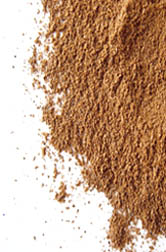
Cinnamon Helps Fight Diabetes

cinnamon
image via: www.ars.usda.gov

One of the favorite spices of the season could help fight diabetes.

Researchers publishing in Diabetic Medicine have found that taking two grams of cinnamon per day for twelve weeks can lower blood pressure and reduce blood sugar levels in those with type 2 diabetes.  Study authors warn that there have been no tests of long term safety and effectiveness of taking cinnamon as a supplement in the long term, but they are optimistic.

Source: Nutraingredients

For more on the related condition, diabetic retinopathy, visit our website.