Leafy Greens Help Prevent Macular Degeneration

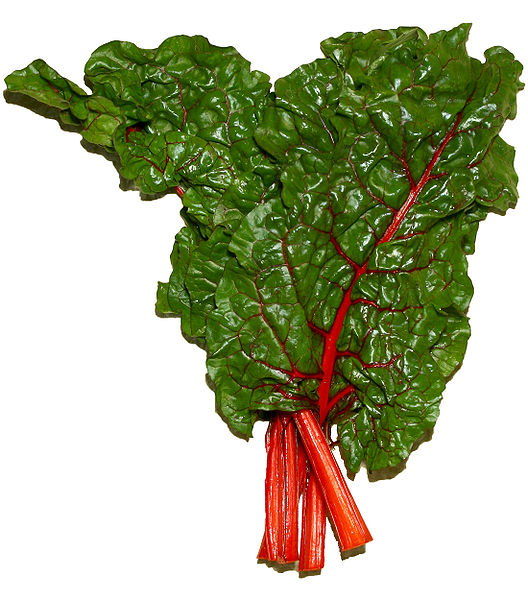
red chardThe Huffington Post is on board with the idea that colorful food is good for you and that the colors on your plate indicate the nutrients that will help you thrive.

As their columnist Brierley Wright, M.S., R.D. says ” Dark, leafy greens (spinach, chard and arugula) are good sources of lutein and zeaxanthin, phytochemicals that accumulate in the eyes and help prevent age-related macular degeneration, a leading cause of blindness in older people.”

At Natural Eye Care, we definitely agree with that statement, though we might recommend eating 1 1/2 to 2 cups per day, not per week as Wright recommends.  A plant based diet full of leafy greens is essential for optimum eye health.
Whole Grains, Fiber Help Women Control Diabetes

whole grain
Image via womenshealth.gov

Whole Grains

Women with diabetes can cut their risk of death from a heart attack by eating more whole grains.

A study published in the journal Circulation discusses how women who are a diet rich in whole grains and wheat bran were 16-31% less likely to die over a 26 year period compared to women who did not eat those foods.   When researchers considered mortality risks specifically associated with cardiovascular problems, those who ate a whole-grain and bran healthy diet were 28-35% less likely to die of heart related causes during the study’s duration.

Source: Food Consumer

Fiber

A new study indicated that people with diabetes who take psyllium fiber supplements paired with a low glycemic diet can experience a reduced glycemic risk factors including glycosylated hemoglobin A1c [A1C] or postprandial plasma glucose [PPG] concentrations.  Source: Food Consumer

It can also be important to eat a diet high in fiber. Focus on fruits, vegetables, seeds, oats, and whole-grain products. Note: Diabetics with unrecognized kidney failure could develop serious complications from a high-fiber (and therefore high-potassium) diet.

Learn more about how to help manage diabetes.


Beef Recalled in Ten States Due to E. Coli Contamination

ground beef
Image via CDC.gov

Another round of beef recalls due to potential E. coli contamination has made the news today.  Over 14,000 pounds of contaminated ground beef may sit on supermarket shelves in 10 states.

The meat is available under various brand names in Arizona, California, Georgia, Indiana, Iowa, Missouri, North Carolina, Ohio, Pennsylvania, and Washington.

E. coli related infections can cause bloody diarrhea, dehydration, and, in severe cases, kidney failure and most seriously affects the very young, the very old, and those with compromised immune systems.  Source: WebMD

This outbreak may cause you to think about cutting back on the meat you consume and considering the benefits of a vegetarian diet.  Studies show that moving to an exclusively plant based diet can reverse atherosclerosis (hardening of the arteries), a condition that contributes directly to heart attacks.

Since this is the American Dietetic Association’s National Nutrition Month and the focus is on eating well based the color of your foods (and that means red fruits and veggies, not red meat), why not have a look at their site and think about enhancing your dietary palette (and palate!).

Learn more about how to prevent and treat atherosclerosis naturally.


Free Radicals May Help the Heart (But Don’t Toss Your Antioxidants!)

Free Radicals - Heart HealthFree radicals might be a good thing?

At Natural Eye Care, we extol the benefits of antioxidants because they fight the free radicals that lead to oxidation, which in turn cause aging: skin changes such as the appearance wrinkles, and ocular changes, including the development of cataracts and macular degeneration.

Your eyes love antioxidants like those found in bilberry (a close relative to the blueberry) and in high quality supplements.

And yet, a new study published in The Journal of Physiology (online 28 February 2011) describes how free radicals are actually essential to the healthy functioning of the heart.

It is true that high levels of free radicals can lead to heart disease, but the heart does need some quantities of free radicals to help it deal with stressful situations.

As described at Medical News Today, when under stress, the nervous system produces what are called beta-adrenergic receptors.  These beta-adrenergic receptors actually produce free radicals not as a negative byproduct of metabolism (as we usually describe the process), but to make the muscles of the heart contract more strongly when necessary.  The heart is then able to pump more blood throughout the body to nourish and sustain us in stressful situations.

This is not to say that you should toss out your antioxidants, but it does remind us that the body is an amazing and complex creation that rarely allows us to use a one-size-fits-all approach to disease or nutrition.


Vegans Need Dietary Supplements to Prevent Heart Disease


fruit and veg
Image via NASA

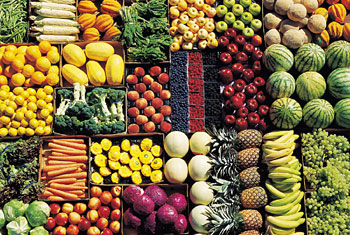
A healthy diet is essential to maintaining your vision.  Plenty of fruits, vegetables, and whole grains are key to the health of the eyes and the body as a whole.  Generally, we do not believe that eating some meat is detrimental to health, but we support the many who people will choose to follow vegetarian and vegan diets.

A new study focuses on how people who follow vegan diets are likely to be deficient in both omega-3 fatty acids and vitamin B12.  They should take supplements of both to ward off heart disease, researchers publishing in the Journal of Agricultural and Food Chemistry. Vegans can potentially run a higher risk of developing blood clots and atherosclerosis (hardening of the arteries), which can lead to heart attacks and stroke.

Historically, medical research indicates that meat eaters are more likely to develop heart disease than vegetarians and vegans, but if people do not eat meat they often have low levels of “good” HDL cholesterol.  Taking omega-3 and vitamin B supplements can help offset this risk.

Source: Nutraingredients


Omega-3 Fatty Acids Help Fight Diabetic Retinopathy and Macular Degeneration

Omega-3 & Diabetic retinopathy
image via www.research.gov

A new study further supports what we know about how beneficial omega-3 fatty acids can be, particularly in the prevention of diabetic retinopathy. This new study, performed at Children’s Hospital Boston, describes how these “good fats” most commonly found in fish oil actually work to prevent diabetic retinopathy.

Both diabetic retinopathy and another potentially blinding condition, macular degeneration, are caused by the abnormal growth of leaky blood vessels within the eyes.  Mice whose diets were supplemented with omega-3 fatty acids (which many people on a Western diet do not get enough of) were 50% less likely to have these eye conditions compared to other mice who were given lots of omega-6’s (fats more commonly found in the Western food chain).

This study shows how omega-3 fatty acids actually have  “a direct effect on blood vessel growth (angiogenesis) that selectively promotes the growth of healthy blood vessels and inhibits the growth of abnormal vessels.”

Source: MedicalNewsToday.com

Learn more about how to prevent diabetic retinopathy through diet, lifestyle habits, and other supplements.

See information on natural treatment options for macular degeneration.

Eggs Provide Nutrients and Ward Off Eye Disease

A new study further supports the benefits of eating eggs.

Michigan State University researchers sought to determine how eggs might be part of a healthy diet and also determine the impact egg consumption may have on cholesterol.  Egg eaters showed higher levels of such vital nutrients as vitamins B12, A, E, and C.  The study does remind us to enjoy eggs in moderation – four eggs per week is optimal.  Eating more than four eggs per week can lead to increased cholesterol.

Source: maculardegenerationassociation.org

Eating eggs can also help prevent a number of eye conditions including macular degeneration, cataracts, and glaucoma.

Vitamin C

In many parts of the world, especially in Europe and Asia, the value of vitamin C is well known.  It is considered to be an important part of routine glaucoma treatment. It lowers pressure in the eye by lessening fluid production within the eyeball and improving the circulation of aqueous humor, as toxins are removed, from the eye.  Vitamin C also improves the metabolism of collagen which is possibly an underlying cause of glaucoma.

Learn more about how the nutrients in eggs and other foods can increase your eye health and overall health.

Heart Health Depends on Fruit and Vegetable Consumption: New Study

There’s even more science to back up the claim that eating fruits and vegetables will help you fight heart disease.

The European Prospective Investigation into Cancer and Nutrition has published a paper on heart health.  Researchers indicate that those who eat at least 8 servings of fruits and vegetables each day are 22% less likely to die of heart disease.  A “serving” is equal to a small banana, a medium apple, or a small carrot.

One theory is that the antioxidant micronutrients in fruits and veggies reduce the oxidative damage that causes hardening of the arteries or atherosclerosis. At the same time, it is important not just to take antioxidant supplements but to eat the whole food as other compounds in fruits and vegetables also may protect the heart.

Source: TheHeart.org

Learn more about the nutrients available in whole food sources.

Also learn about other ways, besides diet, that you can keep your heart health and avoid atherosclerosis.

Fatty Acids Reduce PMS and Ward Off Eye Disease

Fatty Acids & Diabetic retinopathy
Image via womenshealth.gov

Here’s another reason to include fatty acids in your diet: they may help relieve premenstrual syndrome (PMS).

A study published in the journal Reproductive Health showed that, compared to placebo, women who took one to two grams of fatty acids per day reported an alleviation of PMS symptoms.  Researchers note that taking a daily dose of fatty acids did not increase cholesterol levels.

Source: nutraceuticalsworld.com

Fatty acids, in the form of omega-3s and omega 6-s have been shown to help prevent and improve conditions such as macular degeneration and diabetic retinopathy.

Ginkgo & PMS

Another study shows that supplementing with Gingko Biloba can significantly reduce physical and psychological symptoms due to PMS. Overall severity of symptoms in the Gingko groups was 34.80% before the treatment and reduced to 11.11% after the treatment.

Ozgoli G, Selselei E. Mojab F. Majd H. A randomized placebo-controlled trial of Gingko Biloba L., in the treatment of premenstrual syndrome. J Altern Complement Med. 2009 Aug:15(8):845-51


Alzheimer’s Disease May Respond To Compounds in Green Tea

green tea
image via www.epa.gov

New studies are finding that Alzheimer’s Disease may be the result of the build up of β-amyloid peptides (Aβ) in the brain and green tea might be a good candidate for the clean up crew.  A green tea extract that was particularly bioavailable (the body was capable of absorbing its “good stuff”) was found to be capable of lower brain toxicity levels.  Source: Nutraceuticals World

Green tea can be a powerful source of antioxidants.  Other studies have found that people who take antioxidant supplements (vitamin C or vitamin E) have a lower risk of Alzheimer’s disease compared with people who do not take antioxidants. Preliminary research shows that higher blood levels of vitamin E correlate with better brain functioning in middle-aged and older adults.

Learn more about how nutrition and supplements can help ward off Alzheimer’s Disease.